
Can shock-absorbing light steel keel be used as a ceiling
2024-06-12
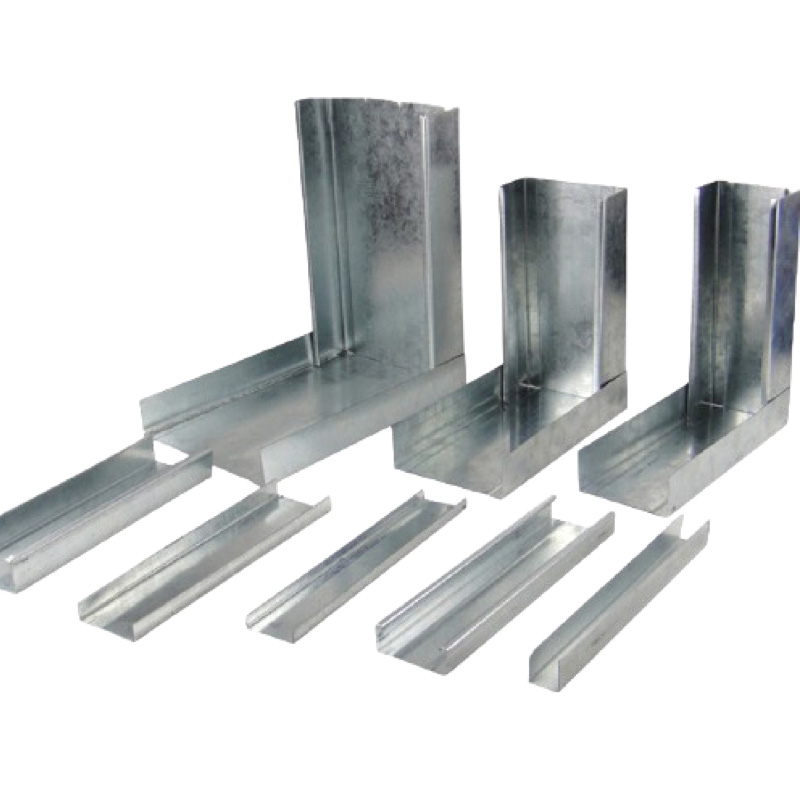
The answer is yes. With the continuous development of modern architectural technology, ceiling systems have become an indispensable part of indoor decoration. In the suspended ceiling system, shock-absorbing light steel keel has become one of the preferred materials for suspended ceilings due to its unique performance and wide application areas.
Firstly, we need to understand what shock-absorbing light steel keel is. Shock absorption light steel keel is a ceiling material with shock absorption function. Its material and structure are carefully designed to achieve excellent sound insulation effect and stable support. The light steel keel itself has the characteristics of lightweight, flexibility, and wear resistance. At the same time, its structure adopts a multi-layer board design, which increases the use of sound insulation materials, thereby achieving better sound insulation effects.
In the suspended ceiling system, the application of shock-absorbing light steel keel has significant advantages. Firstly, it provides stable support to ensure the flatness and firmness of the ceiling. Compared with traditional ceiling materials, shock-absorbing light steel keel has higher strength and stiffness, can withstand greater weight and pressure, thereby ensuring the safety and reliability of the ceiling. Secondly, the sound insulation performance of the shock-absorbing light steel keel is excellent, which can effectively isolate noise and provide good acoustic conditions for the indoor environment. This is particularly important in places that require high-quality sound experiences such as music halls and recording studios. In addition, the shock-absorbing light steel keel also has good fire resistance performance, complies with building safety standards, and provides strong protection for indoor safety.
In terms of ceiling construction, shock-absorbing light steel keel also has advantages. Due to its material and structural characteristics, the construction efficiency of the shock-absorbing light steel keel ceiling is high, and it can be quickly installed. Meanwhile, its structure is safe and reliable, effectively preventing problems such as ceiling detachment or deformation. In addition, the shock-absorbing light steel keel suspended ceiling also has the characteristics of good impact resistance and seismic resistance, which can maintain the stability and safety of the ceiling in the event of natural disasters such as earthquakes.
In addition to suspended ceiling systems, seismic resistant light steel joists are also widely used in other construction fields. For example, in partition systems, shock-absorbing light steel keel can be used to divide indoor space and improve space utilization. Its excellent sound insulation performance makes indoor spaces quieter and more comfortable, meeting people's quality requirements for living and working environments. In addition, shock-absorbing light steel keel can also be used for wall insulation and sound insulation renovation, improving the insulation performance and sound insulation effect of buildings.
Of course, when choosing to use shock-absorbing light steel keel ceilings, it is also necessary to pay attention to some construction details. For example, the suspension between the ceiling and the main structure should have safety construction measures to ensure the stability and safety of the ceiling. In tall halls or suspended ceilings with many pipelines, there should be maintenance space left, and maintenance walkways and manholes for easy access to the ceiling should be set up as needed for future maintenance and repair. At the same time, the pipeline layout inside the ceiling should also be reasonable to avoid problems such as condensation water.
In summary, shock-absorbing light steel keel can be used as a ceiling material and has broad application prospects in ceiling systems. Its excellent performance and wide range of applications make shock-absorbing lightweight steel keel an indispensable part of modern building decoration. Of course, when using shock-absorbing light steel keel ceilings, attention should also be paid to construction details and quality control to ensure the stability and safety of the ceiling system.
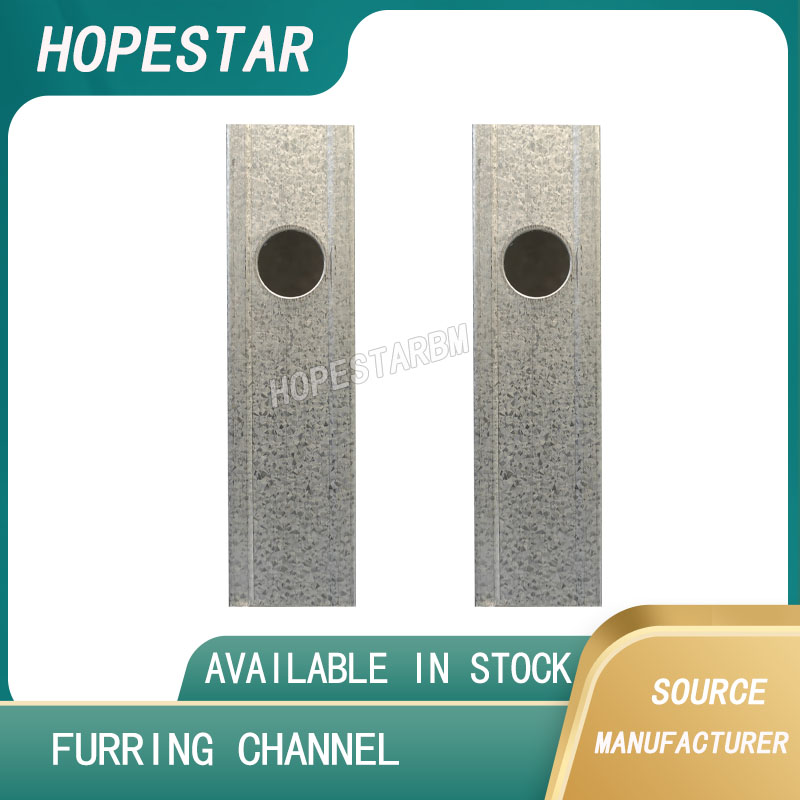
What is the difference between a furring channel and a hat channel?
What are the sizes of furring channels?
Related Article
Ceiling wall angle, also known as perimeter angle or L-angle, is an indispensable L-shaped metal profile for suspended drywall ceiling systems. Roll-formed from cold-rolled galvanized steel, ceiling wall angle is fixed along the wall perimeter to support the ends of main channels and furring channels,
Ceiling Wall Angle – Galvanized L-Shaped Perimeter Trim for Suspended Drywall Ceilings
Galvanized steel profiles are the foundational metal framing components widely used in modern interior construction. Roll-formed from cold-rolled steel coated with protective zinc layer, galvanized steel profiles cover a full range of shapes including C studs, U tracks, omega channels,
Galvanized Steel Profiles – Reliable Cold Rolled Framing for Drywall Walls and Ceilings

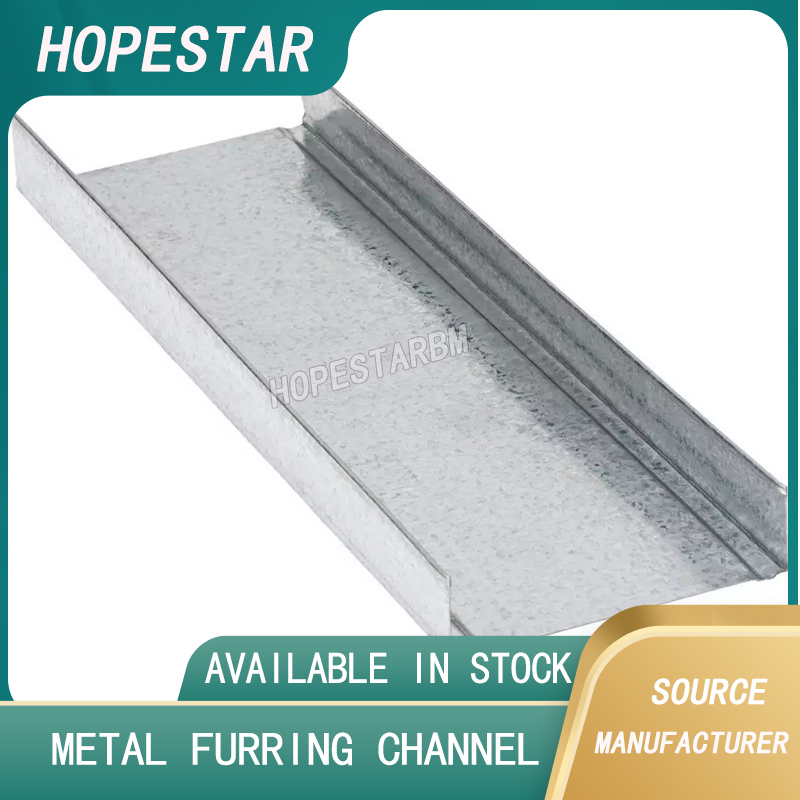
Metal furring channel for ceiling is a vital secondary framing component widely used in suspended ceiling and drywall ceiling systems. Roll-formed from cold-rolled galvanized steel, this lightweight metal profile works together with main channels, hangers and wall angles to create a level,
Metal Furring Channel for Ceiling – Galvanized Secondary Framing for Suspended Drywall Ceilings

Metal omega channel, also widely called omega furring channel or hat channel, is an indispensable secondary metal framing profile for modern suspended ceilings and drywall wall furring systems. Named after its distinctive Ω shape, this profile is roll-formed from cold-rolled galvanized steel
Metal Omega Channel – Galvanized Omega Furring Channel for Drywall Ceiling and Wall Framing