
c channel metal furring
2024-06-28
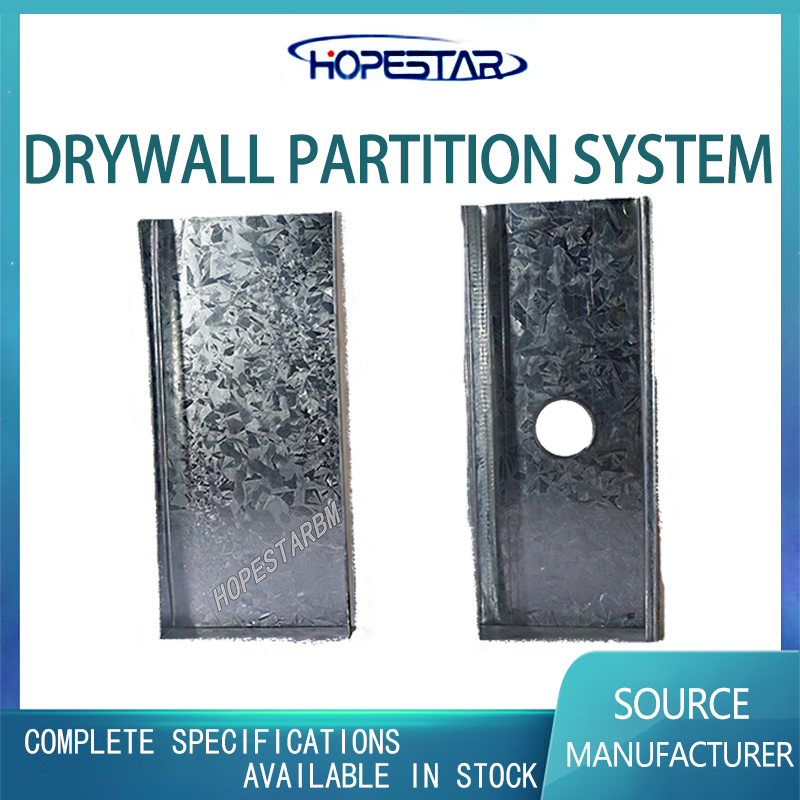
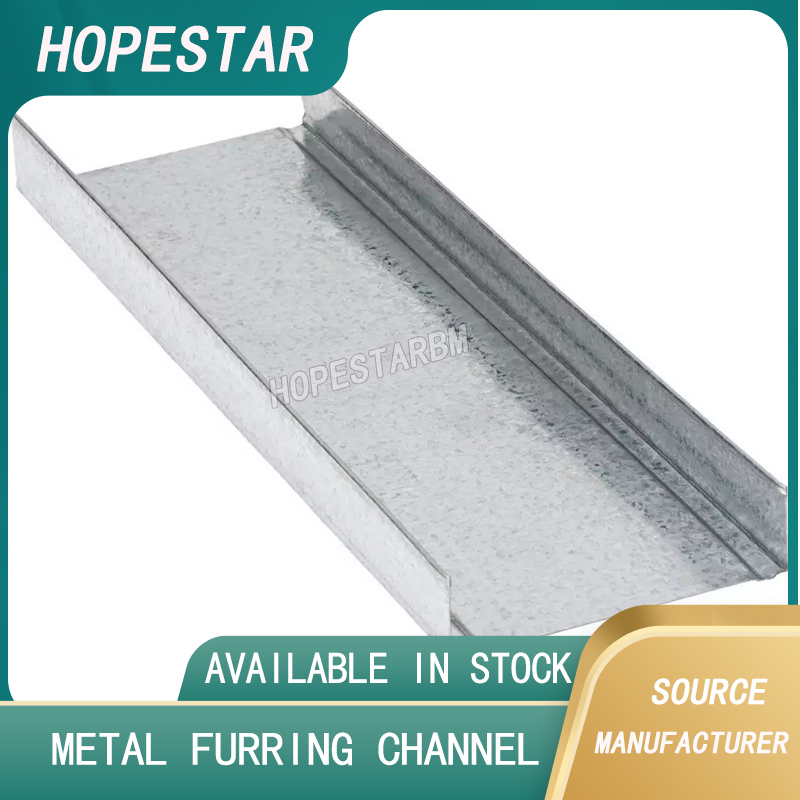
In the construction industry, C Channel Metal Furring is a key component widely used in ceiling, partition, and curtain wall systems. Its unique shape and material characteristics enable the C-shaped metal keel to provide structural support while also meeting the requirements of modern architecture for aesthetics, durability, and environmental protection. This article will provide a detailed discussion on the materials, manufacturing processes, application areas, installation methods, and future development trends of C Channel Metal Furring.
1、 Material and manufacturing process of c channel metal furring
c channel metal furring is usually made of cold-rolled steel plate or galvanized steel plate, which have good strength and corrosion resistance. During the manufacturing process, the steel plate undergoes processes such as cutting, bending, punching, welding, and spraying to ultimately form a standard C-shaped keel. Different projects have different requirements for the specifications, thickness, and surface treatment of the keel, so manufacturers need to customize production according to customer needs.
2、 Application fields of c channel metal furring
c channel metal furring is widely used in ceiling, partition, and curtain wall systems. In the ceiling system, C-shaped keel is used in combination with gypsum board, mineral wool board and other boards to form a flat and beautiful ceiling effect. In the partition system, the C-shaped keel serves as the skeleton and is combined with lightweight panels to form a soundproof, heat-insulating, and fire-resistant partition wall. In the curtain wall system, the C-shaped keel serves as a supporting structure and is connected to panels such as glass and stone to achieve the aesthetic and functional appearance of the building facade.
3、 Installation method of c channel metal furring
The installation method of c channel metal furring is relatively simple, but the following points need to be noted: first, ensure that the installation position is accurate and the spacing between keels meets the design requirements; Secondly, use specialized connectors to firmly connect the keel to the main structure; Finally, adjust the levelness and verticality of the keel to ensure the flatness and stability of the entire system. During the installation process, it is also necessary to pay attention to safety issues, such as wearing protective equipment such as helmets and gloves, to avoid accidents.
4、 The advantages and characteristics of c channel metal furring
c channel metal furring has various advantages and characteristics, making it an ideal choice in modern architecture. Firstly, the C-shaped keel has good strength and stability, and can withstand large loads and deformations; Secondly, the surface of the C-shaped keel is flat and beautiful, making it easy to use in conjunction with various boards; Once again, the C-shaped keel is made of environmentally friendly materials, which meet the requirements of green buildings; Finally, the C-shaped keel is easy to install, easy to disassemble, and easy to maintain and replace.
5、 The future development trend of c channel metal furring
With the continuous development and innovation of the construction industry, the application areas and performance of C-shaped metal keel are also constantly improving. In the future, c channel metal furring will pay more attention to environmental protection, energy conservation, and intelligence. On the one hand, manufacturers will adopt more environmentally friendly materials and manufacturing processes to reduce energy consumption and emissions during the production process; On the other hand, the c channel metal furring will be combined with intelligent control systems to achieve functions such as automatic adjustment and remote monitoring, improving the intelligence level of building systems. In addition, with the continuous innovation and development of construction technology, the performance and use of C-shaped metal keel will also be further expanded and improved.
In summary, as an important component of modern architecture, C Channel Metal Furring has broad application prospects and development potential. In the future development, C-shaped metal keel will continue to play its unique advantages and role, making greater contributions to the sustainable development of the construction industry.
exterior z-furring channel
drywall furring channel sizes
Related Article
Ceiling wall angle, also known as perimeter angle or L-angle, is an indispensable L-shaped metal profile for suspended drywall ceiling systems. Roll-formed from cold-rolled galvanized steel, ceiling wall angle is fixed along the wall perimeter to support the ends of main channels and furring channels,
Ceiling Wall Angle – Galvanized L-Shaped Perimeter Trim for Suspended Drywall Ceilings
Galvanized steel profiles are the foundational metal framing components widely used in modern interior construction. Roll-formed from cold-rolled steel coated with protective zinc layer, galvanized steel profiles cover a full range of shapes including C studs, U tracks, omega channels,
Galvanized Steel Profiles – Reliable Cold Rolled Framing for Drywall Walls and Ceilings

Metal furring channel for ceiling is a vital secondary framing component widely used in suspended ceiling and drywall ceiling systems. Roll-formed from cold-rolled galvanized steel, this lightweight metal profile works together with main channels, hangers and wall angles to create a level,
Metal Furring Channel for Ceiling – Galvanized Secondary Framing for Suspended Drywall Ceilings

Metal omega channel, also widely called omega furring channel or hat channel, is an indispensable secondary metal framing profile for modern suspended ceilings and drywall wall furring systems. Named after its distinctive Ω shape, this profile is roll-formed from cold-rolled galvanized steel
Metal Omega Channel – Galvanized Omega Furring Channel for Drywall Ceiling and Wall Framing