
Australia metal furring ceiling price
2024-03-25
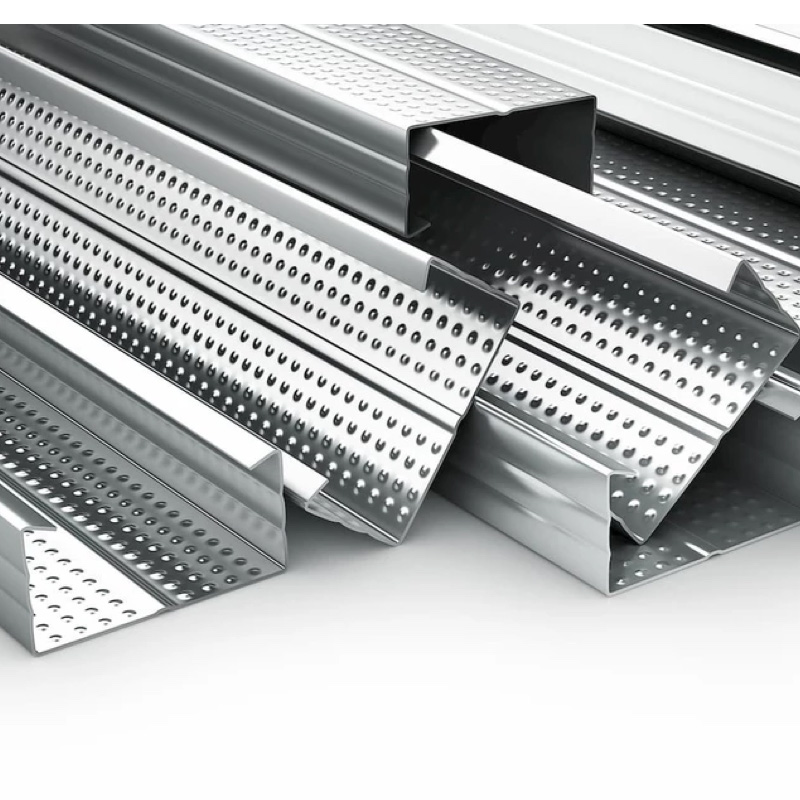
Metal furring ceiling, also known as suspended ceiling or drop ceiling, is a popular choice for commercial and industrial spaces due to its versatility, durability, and ease of installation. The metal furring system consists of a grid of metal frames that support ceiling panels, tiles, or other finishes. This type of ceiling offers excellent sound insulation, fire resistance, and the ability to hide wiring and piping.
When it comes to pricing metal furring ceilings, there are several factors that can affect the cost. The size and shape of the space, the type of metal furring system chosen, the materials used for the ceiling panels or tiles, and the labor required for installation are all important considerations. Additionally, the price of metal furring ceilings can vary depending on the region and the supplier.
In general, metal furring ceilings are more expensive than traditional ceiling systems such as popcorn ceilings or drywall. However, the long-term benefits of metal furring ceilings often justify the initial cost. These benefits include durability, ease of maintenance, and the ability to adapt to changes in the space over time.
When shopping for metal furring ceilings, it is important to compare prices from multiple suppliers and consider the overall value of the product. Some suppliers may offer competitive pricing, but it is important to ensure that the quality of the materials and installation will meet your needs.
Overall, the cost of metal furring ceilings can vary widely, depending on a number of factors. By taking the time to research your options and compare prices, you can find a metal furring ceiling system that fits your budget and meets your needs.
Installation of metal furring ceilings typically requires the services of a professional contractor. The contractor will assess the space, determine the appropriate metal furring system and materials, and install the ceiling according to manufacturer's specifications. The installation process typically involves hanging the metal frames from the existing ceiling structure, attaching the ceiling panels or tiles, and finishing the edges and seams.
During the installation process, it is important to ensure that the metal furring system is installed correctly and securely. Improper installation can lead to sagging, noise issues, and other problems. Additionally, it is important to ensure that the ceiling panels or tiles are properly aligned and finished to achieve a clean, professional look.
The time required for installation can vary depending on the size and complexity of the project. Smaller spaces may take a few days to complete, while larger or more complex projects may require several weeks.
In terms of maintenance, metal furring ceilings are relatively low-maintenance compared to other ceiling systems. However, it is important to regularly inspect the ceiling for any damage or wear and tear. If necessary, damaged panels or tiles can be replaced easily without the need for extensive repairs.
Overall, metal furring ceilings offer a durable, versatile, and attractive ceiling solution for commercial and industrial spaces. With careful planning and selection, you can find a metal furring ceiling system that fits your budget, meets your needs, and enhances the overall appearance and functionality of your space.
types of metal furring introduce
metal furring channel sizes introduce
Related Article
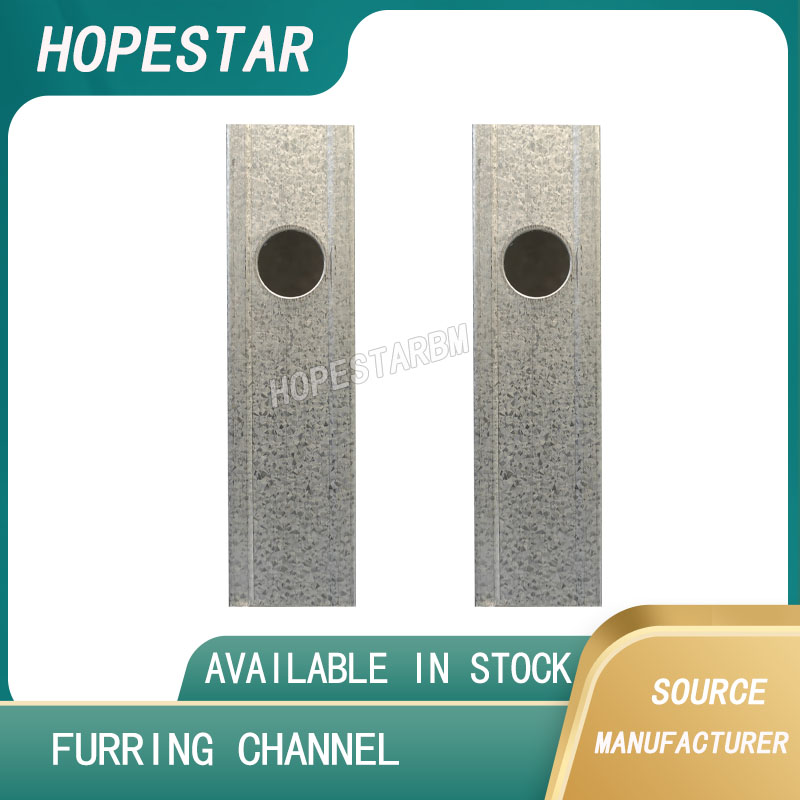
Ceiling wall angle, also known as perimeter angle or L-angle, is an indispensable L-shaped metal profile for suspended drywall ceiling systems. Roll-formed from cold-rolled galvanized steel, ceiling wall angle is fixed along the wall perimeter to support the ends of main channels and furring channels,
Ceiling Wall Angle – Galvanized L-Shaped Perimeter Trim for Suspended Drywall Ceilings
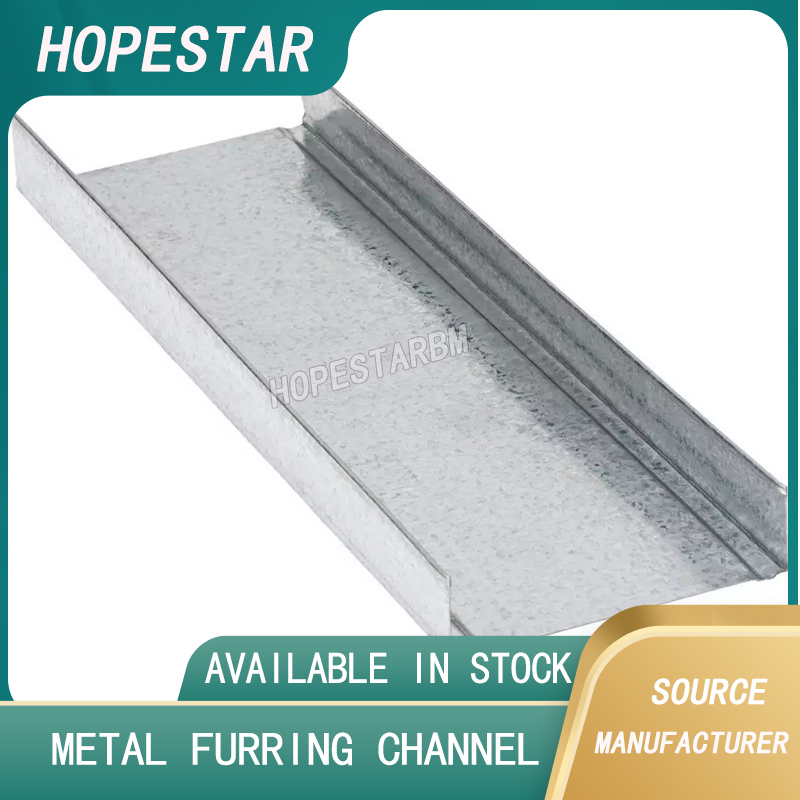
Galvanized steel profiles are the foundational metal framing components widely used in modern interior construction. Roll-formed from cold-rolled steel coated with protective zinc layer, galvanized steel profiles cover a full range of shapes including C studs, U tracks, omega channels,
Galvanized Steel Profiles – Reliable Cold Rolled Framing for Drywall Walls and Ceilings

Metal furring channel for ceiling is a vital secondary framing component widely used in suspended ceiling and drywall ceiling systems. Roll-formed from cold-rolled galvanized steel, this lightweight metal profile works together with main channels, hangers and wall angles to create a level,
Metal Furring Channel for Ceiling – Galvanized Secondary Framing for Suspended Drywall Ceilings

Metal omega channel, also widely called omega furring channel or hat channel, is an indispensable secondary metal framing profile for modern suspended ceilings and drywall wall furring systems. Named after its distinctive Ω shape, this profile is roll-formed from cold-rolled galvanized steel
Metal Omega Channel – Galvanized Omega Furring Channel for Drywall Ceiling and Wall Framing