
Galvanized Studs: The Durable, Corrosion-Proof Solution for Modern Construction
2026-07-30
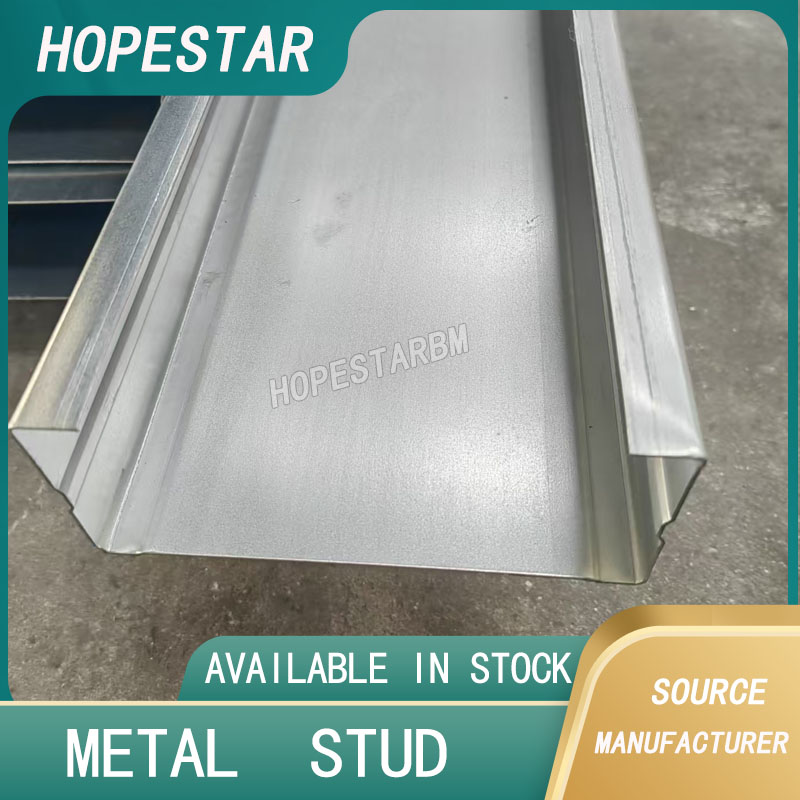
Galvanized studs have become an indispensable building material in modern residential, commercial, and industrial construction. As key metal framing components, these hot-dip or electro-galvanized steel studs serve as the primary support for interior walls, partition systems, and ceiling structures. Unlike traditional wooden studs, galvanized steel studs are engineered to deliver superior stability, longevity, and resistance to harsh environmental factors, making them a top choice for contractors and builders worldwide.
The core advantage of galvanized studs lies in their corrosion and rust resistance. The galvanization process coats high-quality steel with a protective zinc layer, isolating the metal from oxygen and moisture. This effective barrier prevents oxidation and rust formation, even in humid bathrooms, basements, coastal areas, and damp industrial environments. For construction projects exposed to variable weather conditions, galvanized studs eliminate the risk of structural decay caused by rust, greatly extending the service life of wall and framing systems.
Durability and structural stability are another defining feature of galvanized studs. Boasting high tensile strength and rigid structural design, these steel studs can bear heavy loads, resist deformation, and withstand external impacts. They avoid common flaws of wood frames, such as warping, shrinking, rotting, and insect infestation. Whether for high-rise office partitions, residential interior walls, or warehouse structural framing, galvanized studs maintain consistent structural integrity for decades, reducing hidden safety hazards in buildings.
In addition to outstanding performance, galvanized studs offer remarkable construction efficiency and cost savings. They feature standardized sizes, lightweight textures, and precise dimensions, enabling fast cutting, assembly, and installation. Compared with wooden frames, they require less on-site processing, shorten construction cycles, and lower labor costs. Moreover, galvanized steel studs are fully recyclable, conforming to modern green building and environmental protection standards. Their low maintenance requirements also reduce long-term building operation costs for property owners.
Versatility further enhances the value of galvanized studs. They are compatible with various building materials, including drywall, cement boards, and insulation materials, and adapt to diverse construction scenarios. Customizable thicknesses and sizes allow them to meet personalized structural needs for different projects. From simple indoor partition walls to complex commercial building frameworks, galvanized studs deliver reliable and flexible structural support.
In conclusion, galvanized studs stand out in the construction industry for their rust resistance, durability, high efficiency, and environmental friendliness. As a cost-effective and high-performance framing material, they continue to replace traditional building materials and become the preferred option for modern sustainable construction projects.
Galvanized Steel Studs: Premium Framing Material for Modern Building Projects
Drop Ceiling Frame
Related Article
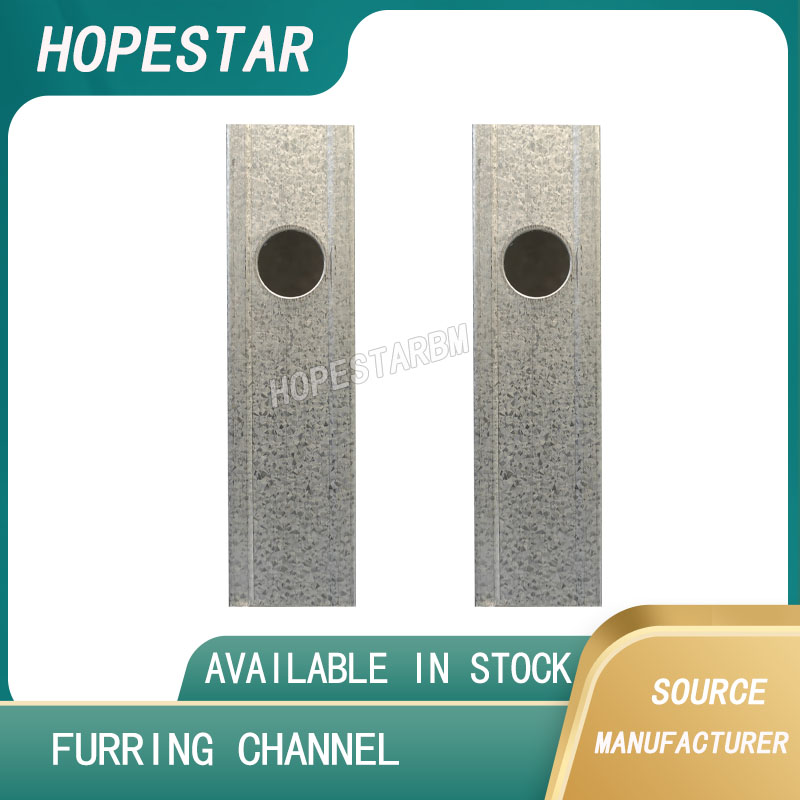
Ceiling wall angle, also known as perimeter angle or L-angle, is an indispensable L-shaped metal profile for suspended drywall ceiling systems. Roll-formed from cold-rolled galvanized steel, ceiling wall angle is fixed along the wall perimeter to support the ends of main channels and furring channels,
Ceiling Wall Angle – Galvanized L-Shaped Perimeter Trim for Suspended Drywall Ceilings
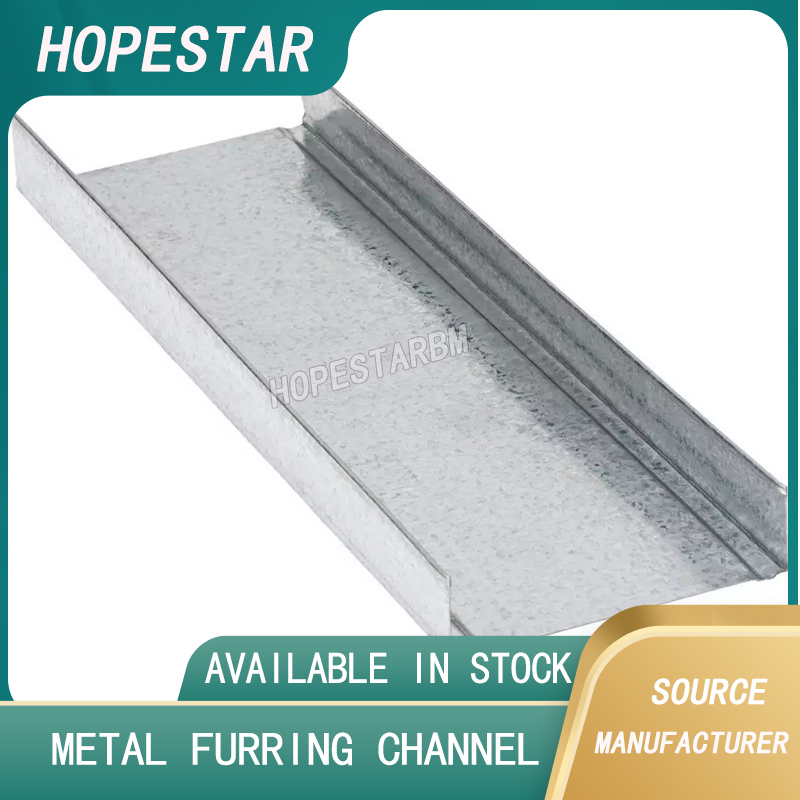
Galvanized steel profiles are the foundational metal framing components widely used in modern interior construction. Roll-formed from cold-rolled steel coated with protective zinc layer, galvanized steel profiles cover a full range of shapes including C studs, U tracks, omega channels,
Galvanized Steel Profiles – Reliable Cold Rolled Framing for Drywall Walls and Ceilings

Metal furring channel for ceiling is a vital secondary framing component widely used in suspended ceiling and drywall ceiling systems. Roll-formed from cold-rolled galvanized steel, this lightweight metal profile works together with main channels, hangers and wall angles to create a level,
Metal Furring Channel for Ceiling – Galvanized Secondary Framing for Suspended Drywall Ceilings

Metal omega channel, also widely called omega furring channel or hat channel, is an indispensable secondary metal framing profile for modern suspended ceilings and drywall wall furring systems. Named after its distinctive Ω shape, this profile is roll-formed from cold-rolled galvanized steel
Metal Omega Channel – Galvanized Omega Furring Channel for Drywall Ceiling and Wall Framing