
Why Use Drywall Corner Bead?
2025-04-23
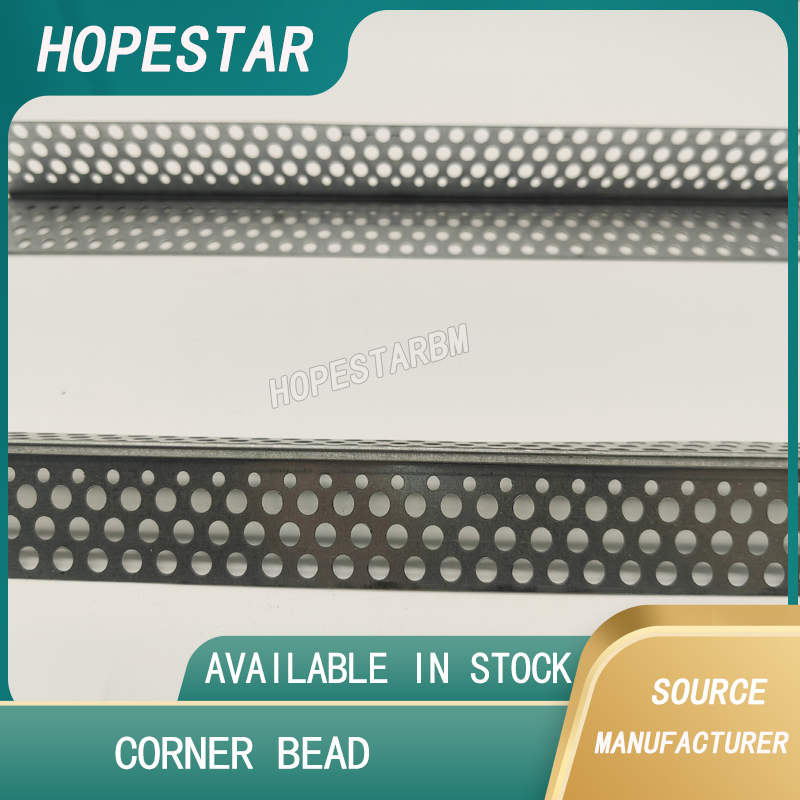
Why Use Drywall Corner Bead?Protects Outside Corners,Drywall is soft and easily damaged. Without corner bead, the corners can chip, dent, or crack from even light impact.
Creates Straight, Crisp Edges
Corner bead gives your corners that clean, sharp line — especially important if you're painting or doing detailed interior finishes.
Corner bead gives your corners that clean, sharp line — especially important if you're painting or doing detailed interior finishes.
Improves Durability Over Time
Beads (especially metal or vinyl ones) help corners hold their shape over years of wear and tear.
Beads (especially metal or vinyl ones) help corners hold their shape over years of wear and tear.
Easier Finishing
It actually makes mud application and sanding easier by giving a solid edge to feather your joint compound.
It actually makes mud application and sanding easier by giving a solid edge to feather your joint compound.
When Could You Skip Corner Bead?
Interior rounded designs: You might use flexible trim or leave the edge soft if the design calls for it.
Concealed corners: Inside a closet, utility room, or low-traffic area, you might get away without it — but it’s still not ideal.
Raw/industrial finish: If you're intentionally going for a rough or unfinished look, you might skip it.
Types of Corner Bead
Metal (most common): Strong, durable, but can rust if not properly finished.
Vinyl/PVC: Won’t rust, flexible, great for humid areas.
Paper-faced metal: Combines strength with easier mudding.
Bullnose bead: Rounded profile for a softer, modern look.
Which is better, metal or plastic corner bead?
Introduction to Australian Light Steel Keel Accessories
Related Article
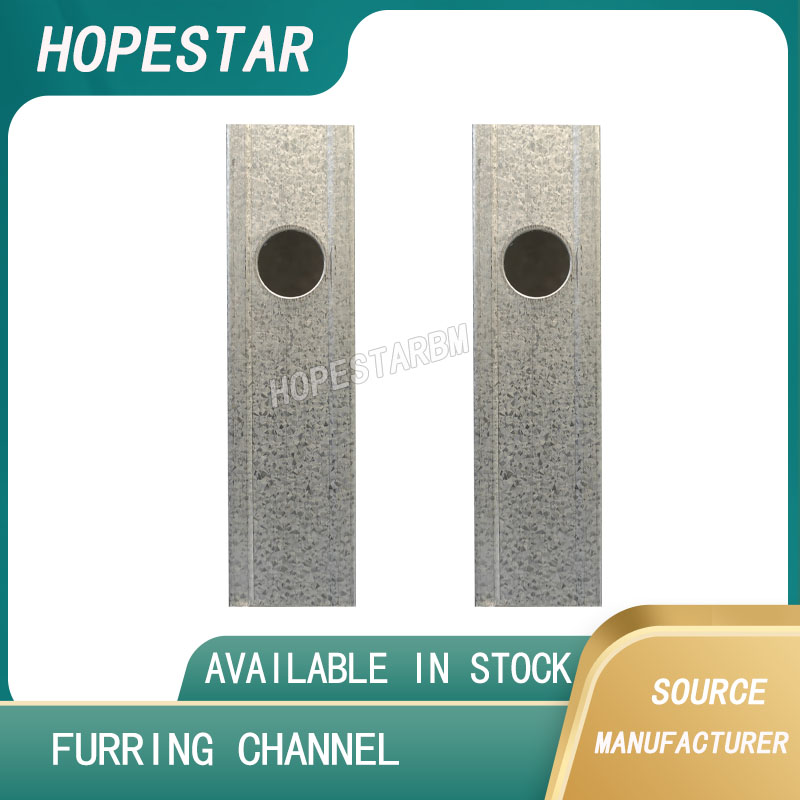
Ceiling wall angle, also known as perimeter angle or L-angle, is an indispensable L-shaped metal profile for suspended drywall ceiling systems. Roll-formed from cold-rolled galvanized steel, ceiling wall angle is fixed along the wall perimeter to support the ends of main channels and furring channels,
Ceiling Wall Angle – Galvanized L-Shaped Perimeter Trim for Suspended Drywall Ceilings
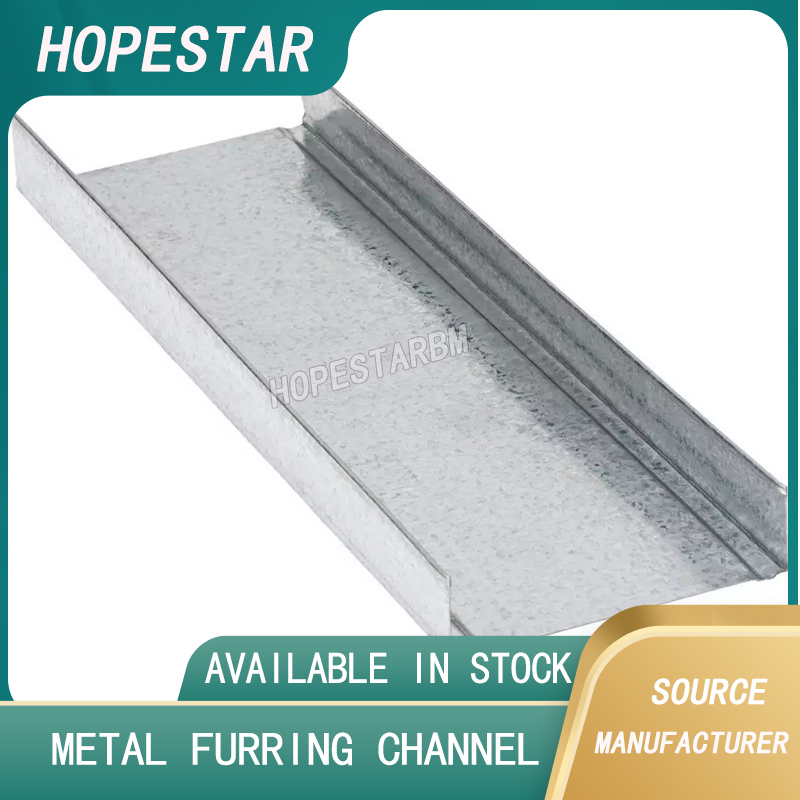
Galvanized steel profiles are the foundational metal framing components widely used in modern interior construction. Roll-formed from cold-rolled steel coated with protective zinc layer, galvanized steel profiles cover a full range of shapes including C studs, U tracks, omega channels,
Galvanized Steel Profiles – Reliable Cold Rolled Framing for Drywall Walls and Ceilings

Metal furring channel for ceiling is a vital secondary framing component widely used in suspended ceiling and drywall ceiling systems. Roll-formed from cold-rolled galvanized steel, this lightweight metal profile works together with main channels, hangers and wall angles to create a level,
Metal Furring Channel for Ceiling – Galvanized Secondary Framing for Suspended Drywall Ceilings

Metal omega channel, also widely called omega furring channel or hat channel, is an indispensable secondary metal framing profile for modern suspended ceilings and drywall wall furring systems. Named after its distinctive Ω shape, this profile is roll-formed from cold-rolled galvanized steel
Metal Omega Channel – Galvanized Omega Furring Channel for Drywall Ceiling and Wall Framing