
Is metal furring good for ceiling?
2024-08-16
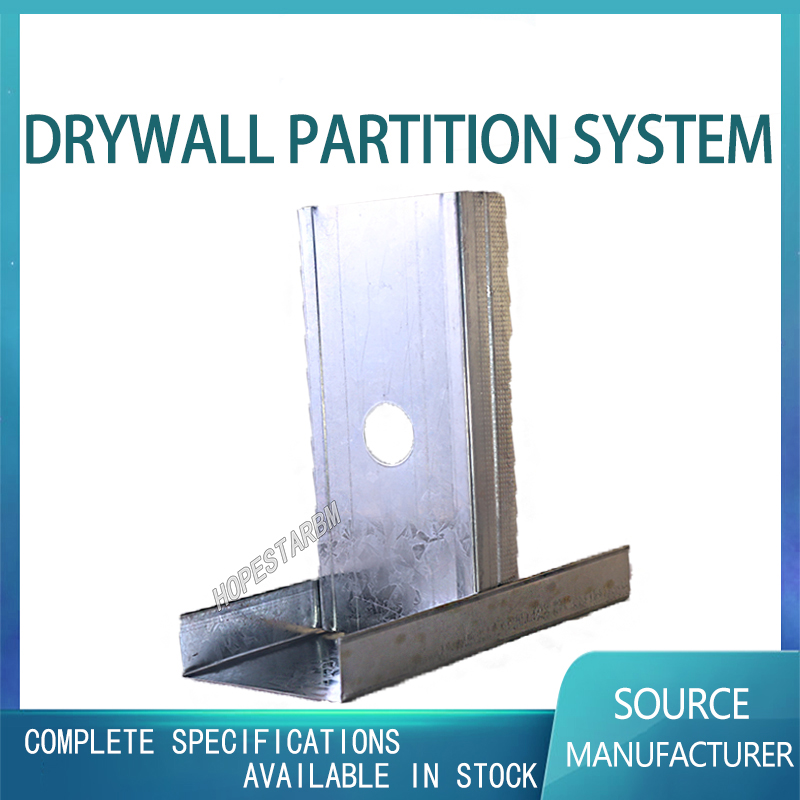
Is metal furring good for ceiling?Yes, metal furring is a good choice for ceilings, offering several advantages over traditional wood furring. Here are some reasons why metal furring is beneficial for ceiling applications:
Advantages of Metal Furring for Ceilings:
Durability and Longevity:
Durability and Longevity:
Resistant to Warping and Shrinking: Unlike wood, metal furring does not warp, shrink, or rot over time, making it a more stable and long-lasting option.
Moisture and Pest Resistance: Metal is not susceptible to moisture damage, mold, or termite infestation, which can be concerns with wood furring.
Fire Resistance:
Moisture and Pest Resistance: Metal is not susceptible to moisture damage, mold, or termite infestation, which can be concerns with wood furring.
Fire Resistance:
Non-Combustible: Metal furring is non-combustible, providing an added layer of fire safety to the structure, especially in commercial buildings or areas with strict fire codes.
Ease of Installation:
Ease of Installation:
Consistency: Metal furring channels are manufactured with precise dimensions, making them easier to work with and ensuring a more uniform ceiling installation.
Lightweight: Metal furring is relatively lightweight, reducing the load on the ceiling structure and making it easier to handle during installation.
Versatility:
Lightweight: Metal furring is relatively lightweight, reducing the load on the ceiling structure and making it easier to handle during installation.
Versatility:
Compatibility with Other Systems: Metal furring can easily integrate with other ceiling systems, such as suspended ceilings, acoustic panels, and drywall installations.
Flexible Design: It can be used in various ceiling configurations, including flat, curved, or sloped ceilings, providing flexibility in architectural design.
Improved Acoustic Performance:
Flexible Design: It can be used in various ceiling configurations, including flat, curved, or sloped ceilings, providing flexibility in architectural design.
Improved Acoustic Performance:
Soundproofing: The space created by metal furring channels allows for the addition of sound-absorbing materials, improving the acoustic performance of the ceiling.
Cost-Effectiveness:
Cost-Effectiveness:
Lower Maintenance: Due to its durability and resistance to damage, metal furring typically requires less maintenance over time, potentially reducing long-term costs.
Environmental Considerations:
Environmental Considerations:
Recyclability: Metal furring is often made from recycled materials and can be recycled at the end of its life, making it a more environmentally friendly option compared to wood.
Considerations:
Thermal Conductivity: Metal conducts heat more readily than wood, which can be a concern in certain climates. However, this can be managed with proper insulation.
Cost: While metal furring may be more expensive upfront than wood, its durability and reduced maintenance costs can make it more cost-effective in the long run.
Overall, metal furring is an excellent choice for ceiling installations, particularly in environments where durability, fire resistance, and ease of installation are important factors.
What is the thickness of furring channel?
furring channel ceiling system
Related Article
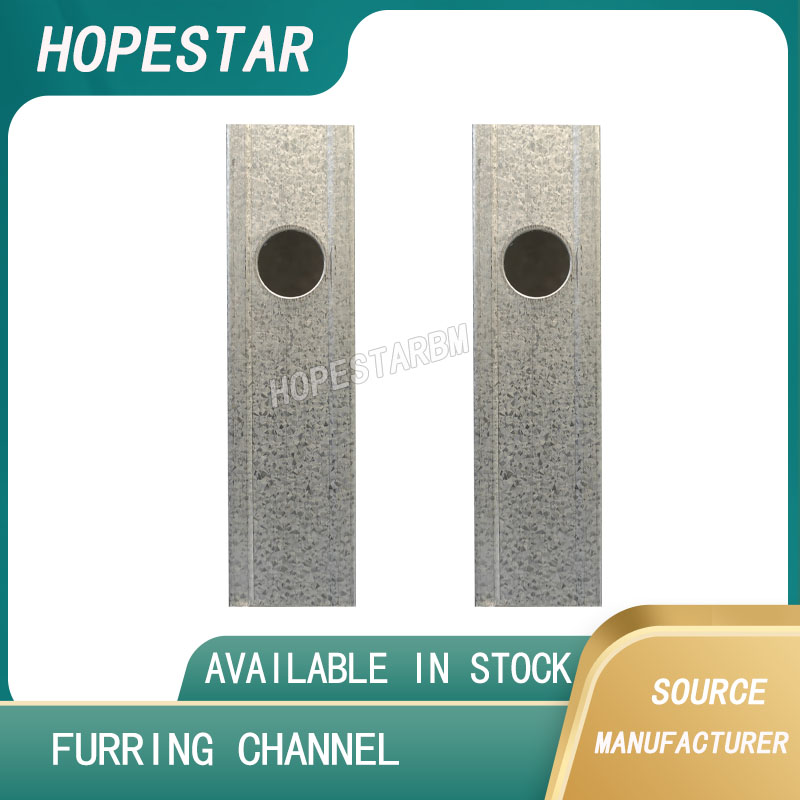
Ceiling wall angle, also known as perimeter angle or L-angle, is an indispensable L-shaped metal profile for suspended drywall ceiling systems. Roll-formed from cold-rolled galvanized steel, ceiling wall angle is fixed along the wall perimeter to support the ends of main channels and furring channels,
Ceiling Wall Angle – Galvanized L-Shaped Perimeter Trim for Suspended Drywall Ceilings
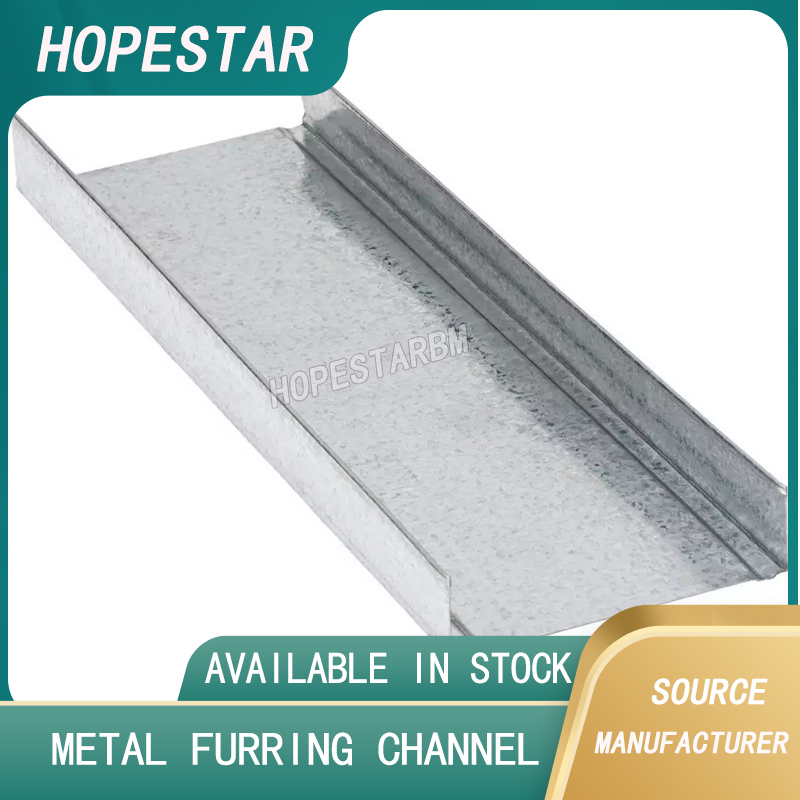
Galvanized steel profiles are the foundational metal framing components widely used in modern interior construction. Roll-formed from cold-rolled steel coated with protective zinc layer, galvanized steel profiles cover a full range of shapes including C studs, U tracks, omega channels,
Galvanized Steel Profiles – Reliable Cold Rolled Framing for Drywall Walls and Ceilings

Metal furring channel for ceiling is a vital secondary framing component widely used in suspended ceiling and drywall ceiling systems. Roll-formed from cold-rolled galvanized steel, this lightweight metal profile works together with main channels, hangers and wall angles to create a level,
Metal Furring Channel for Ceiling – Galvanized Secondary Framing for Suspended Drywall Ceilings

Metal omega channel, also widely called omega furring channel or hat channel, is an indispensable secondary metal framing profile for modern suspended ceilings and drywall wall furring systems. Named after its distinctive Ω shape, this profile is roll-formed from cold-rolled galvanized steel
Metal Omega Channel – Galvanized Omega Furring Channel for Drywall Ceiling and Wall Framing