
wall corner protector strips
2024-08-13
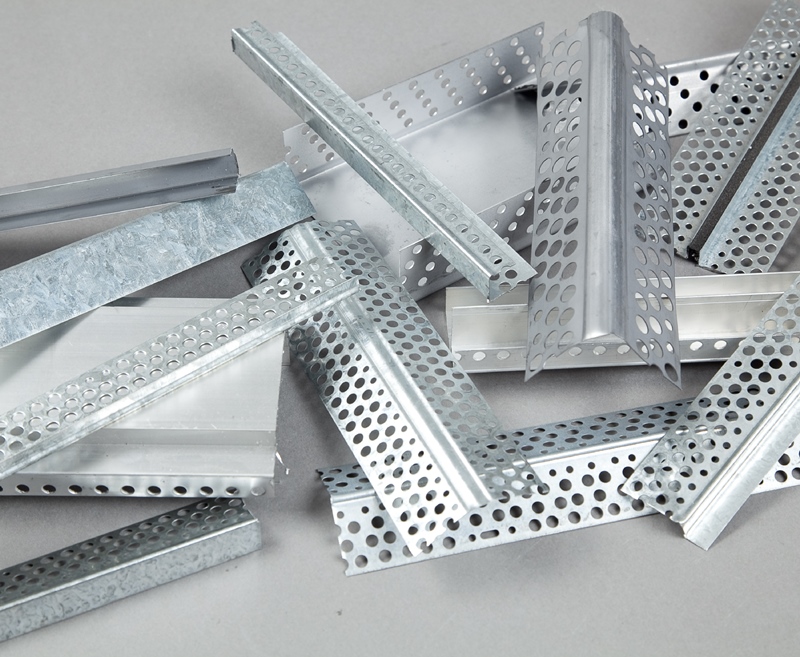
Wall corner protector strips are protective accessories designed to shield the edges of walls, particularly at corners, from damage. They are commonly used in both residential and commercial settings where walls are prone to wear and tear from foot traffic, furniture movement, or other impacts.
Features of Wall Corner Protector Strips:
Material:
Material:
Plastic (PVC): Lightweight, affordable, and easy to install. Often used in homes and light-duty areas.
Metal (Aluminum or Stainless Steel): More durable and resistant to impacts, ideal for high-traffic areas like hospitals, schools, and commercial buildings.
Rubber: Flexible and offers cushioning, often used in industrial settings.
Wood: Offers a more aesthetic appeal and can be stained or painted to match the décor.
Design:
L-Shaped: The most common design, covering both sides of a corner.
U-Shaped: Covers the entire corner, offering more protection.
Bullnose: Designed for rounded corners.
Sizes: They come in various lengths and widths to fit different wall dimensions and corner types.
U-Shaped: Covers the entire corner, offering more protection.
Bullnose: Designed for rounded corners.
Sizes: They come in various lengths and widths to fit different wall dimensions and corner types.
Finishes: Available in various finishes, including smooth, textured, or colored, allowing them to blend with or accentuate the existing wall design.
Installation:
Adhesive: Many strips come with a peel-and-stick adhesive backing for easy installation.
Screws: Some metal or heavy-duty protectors are screwed into the wall for a more secure fit.
Snap-On: Some protectors are designed to snap over existing corners, making them easy to replace or remove.
Benefits:
Damage Prevention: Protects corners from chips, dents, and other damage, which can save on repair costs.
Aesthetic Enhancement: Can enhance the appearance of corners, providing a clean, finished look.
Safety: Some materials like rubber also add a level of safety by softening sharp edges, which is particularly important in areas where children are present.
Easy Maintenance: Protectors are easy to clean and maintain, ensuring the corners of your walls remain in good condition over time.
Common Applications:
Homes: To protect high-traffic areas like hallways and entryways.
Commercial Buildings: In offices, hotels, and retail spaces where furniture and equipment may frequently bump into walls.
Hospitals: To prevent damage from hospital beds, carts, and other equipment.
Schools: In classrooms and corridors to guard against damage from students' activities.
Wall corner protector strips are a practical and cost-effective solution to maintain the integrity of wall corners and enhance the durability of interior spaces.
villaboard 9mm
Features of Top Cross Rail
Related Article
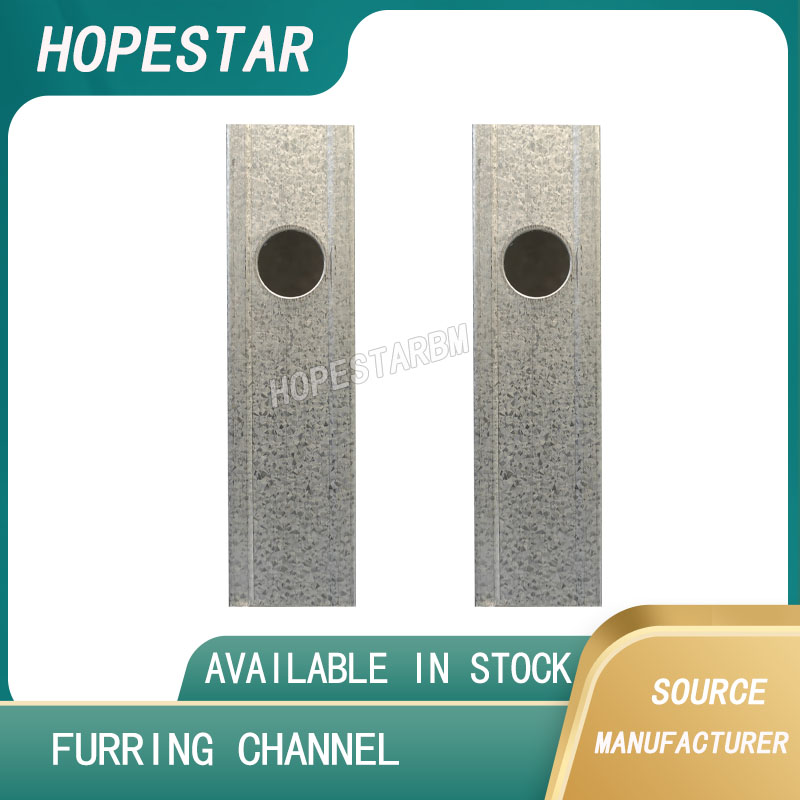
Ceiling wall angle, also known as perimeter angle or L-angle, is an indispensable L-shaped metal profile for suspended drywall ceiling systems. Roll-formed from cold-rolled galvanized steel, ceiling wall angle is fixed along the wall perimeter to support the ends of main channels and furring channels,
Ceiling Wall Angle – Galvanized L-Shaped Perimeter Trim for Suspended Drywall Ceilings
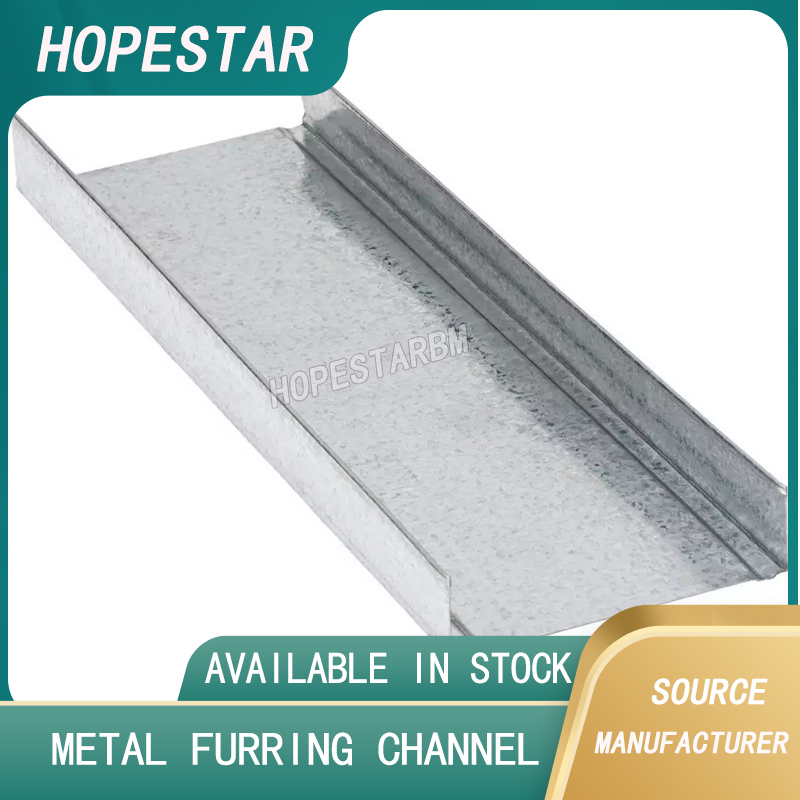
Galvanized steel profiles are the foundational metal framing components widely used in modern interior construction. Roll-formed from cold-rolled steel coated with protective zinc layer, galvanized steel profiles cover a full range of shapes including C studs, U tracks, omega channels,
Galvanized Steel Profiles – Reliable Cold Rolled Framing for Drywall Walls and Ceilings

Metal furring channel for ceiling is a vital secondary framing component widely used in suspended ceiling and drywall ceiling systems. Roll-formed from cold-rolled galvanized steel, this lightweight metal profile works together with main channels, hangers and wall angles to create a level,
Metal Furring Channel for Ceiling – Galvanized Secondary Framing for Suspended Drywall Ceilings

Metal omega channel, also widely called omega furring channel or hat channel, is an indispensable secondary metal framing profile for modern suspended ceilings and drywall wall furring systems. Named after its distinctive Ω shape, this profile is roll-formed from cold-rolled galvanized steel
Metal Omega Channel – Galvanized Omega Furring Channel for Drywall Ceiling and Wall Framing