
chamfer corner bead
2024-07-26
In the fine craftsmanship of architectural decoration and interior design, chamfer corner bead plays a crucial role as an indispensable auxiliary material. It can not only effectively solve the problem of wall corner treatment and improve the overall decoration effect, but also protect the wall corners from daily wear and tear while endowing the space with smooth line beauty and delicate tactile experience.
Material characteristics: durability and aesthetics coexist
Chamfer corner beads are mainly made of materials such as metal (such as aluminum alloy, stainless steel) or plastic (such as PVC), and the selection of these materials is based on their respective advantages. Metal materials are known for their high strength, corrosion resistance, and resistance to deformation, making them particularly suitable for use in humid environments or situations that require high durability. Plastic materials, with their advantages of being lightweight, easy to process, and relatively low in cost, have become the preferred choice for many economical decoration projects. Regardless of the material, the chamfer corner bead is carefully designed to ensure smooth edges without thorns, avoiding potential harm to the human body.
Application scenario: Widely applicable, improving decoration quality
The application scenarios of Chamfer corner bead are extremely wide, covering almost all decoration projects that require handling wall corners. In households, its presence can be seen in the living room, bedroom, kitchen, and bathroom. In the living room, installing a chamfer corner bead can make the wall corners of the TV or sofa background wall smoother and more natural, enhancing the visual beauty of the overall space. In damp environments such as kitchens and bathrooms, metal chamfer corner beads can effectively prevent wall corners from being damaged by moisture erosion and extend the service life of decoration. In addition, in commercial spaces such as offices, restaurants, hotels, etc., chamber corner beads are often used to improve the quality of decoration and create a professional and clean environment atmosphere.
In summary, chamfer corner bead, as an important element in architectural decoration and interior design, has won the favor of more and more decoration practitioners and consumers due to its unique material characteristics, fine installation techniques, wide application scenarios, and important role in improving decoration quality. In the future decoration market, with the continuous improvement of people's requirements for the quality of living environment, the application prospects of chamfer corner beads will be even broader. Let us look forward to this small detail material shining brightly in more decoration projects, adding more beauty and warmth to our living space.
suspended ceiling furring channel
drywall joint paper tape
Related Article
Ceiling wall angle, also known as perimeter angle or L-angle, is an indispensable L-shaped metal profile for suspended drywall ceiling systems. Roll-formed from cold-rolled galvanized steel, ceiling wall angle is fixed along the wall perimeter to support the ends of main channels and furring channels,
Ceiling Wall Angle – Galvanized L-Shaped Perimeter Trim for Suspended Drywall Ceilings
Galvanized steel profiles are the foundational metal framing components widely used in modern interior construction. Roll-formed from cold-rolled steel coated with protective zinc layer, galvanized steel profiles cover a full range of shapes including C studs, U tracks, omega channels,
Galvanized Steel Profiles – Reliable Cold Rolled Framing for Drywall Walls and Ceilings

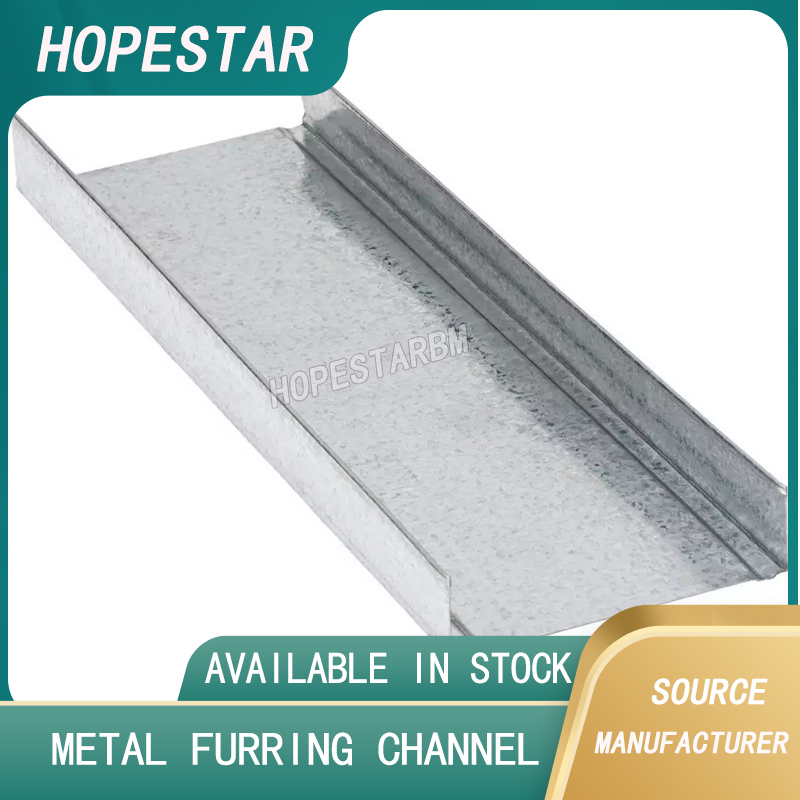
Metal furring channel for ceiling is a vital secondary framing component widely used in suspended ceiling and drywall ceiling systems. Roll-formed from cold-rolled galvanized steel, this lightweight metal profile works together with main channels, hangers and wall angles to create a level,
Metal Furring Channel for Ceiling – Galvanized Secondary Framing for Suspended Drywall Ceilings

Metal omega channel, also widely called omega furring channel or hat channel, is an indispensable secondary metal framing profile for modern suspended ceilings and drywall wall furring systems. Named after its distinctive Ω shape, this profile is roll-formed from cold-rolled galvanized steel
Metal Omega Channel – Galvanized Omega Furring Channel for Drywall Ceiling and Wall Framing