
What material is better for wall corner protectors?
2024-06-26

Wall corner protectors play an indispensable role in home decoration, as they not only protect the corners from impact and wear, but also enhance the overall aesthetics of the interior. When choosing the material for wall corner protectors, we need to consider various factors, such as durability, aesthetics, environmental friendliness, and installation convenience. This article will explore in detail several common wall corner protectors, helping readers choose the most suitable wall corner protectors for their home decoration.
1、 Metal wall corner protectors
Metal wall corner protectors are highly favored by consumers due to their sturdy, durable, and aesthetically pleasing characteristics. Common metal corner protectors include stainless steel, aluminum alloy, etc., which have high hardness and corrosion resistance, and can effectively resist external impacts and wear. In addition, metal corner protectors also have excellent thermal conductivity, suitable for installation in positions such as radiators, air conditioning vents, etc., to avoid damage to wall corners due to temperature changes. However, the installation of metal corner protectors is relatively complex, requires professional personnel to operate, and is expensive, making it unsuitable for all home decoration uses.
2、 Wooden wall corner protectors
Wooden wall corner protectors add a unique charm to home decoration with their natural and warm characteristics. Wooden corner protectors are usually made of solid wood, artificial boards, and other materials, which have good environmental performance and high decorative properties. In addition, wooden corner protectors also have good sound absorption performance, which helps to reduce indoor noise and create a peaceful and comfortable living environment. However, wooden corner protectors are prone to moisture and deformation, requiring regular maintenance and upkeep, and are relatively expensive.
3、 Plastic material wall corner protectors
Plastic wall corner protectors have become the most common choice in home decoration due to their lightweight, durable, and affordable characteristics. Plastic corner protectors are usually made of materials such as PVC and ABS, which have high impact resistance and wear resistance, and can effectively protect wall corners from impact and wear. In addition, plastic corner protectors also have good waterproof performance and are suitable for installation in damp environments such as kitchens and bathrooms. However, plastic corner protectors have relatively poor decorative properties and are prone to aging and deformation, requiring regular replacement.
4、 Glass material wall corner protectors
Glass wall corner protectors add a sense of modernity to home decoration due to their fashionable and transparent characteristics. Glass corner protectors are usually made of tempered glass, acrylic and other materials, which have high hardness and impact resistance, and can effectively protect wall corners. In addition, glass corner protectors also have good transparency, which can increase indoor light and make the space brighter. However, glass corner protectors are fragile and complex to install, requiring professional personnel to operate, and are expensive, making them unsuitable for all home decoration uses.
5、 Stone material wall corner protection
Stone material wall corner protectors have become the preferred choice for high-end home decoration due to their natural and strong texture characteristics. Stone corner protectors are usually made of natural stones such as marble and granite, which have high hardness and wear resistance, and can effectively resist external impacts and wear. In addition, stone corner protectors also have good decorative performance, which can enhance the overall grade of the interior. However, the price of stone corner protectors is high, and the installation is complex, requiring professional personnel to operate, which is not suitable for ordinary household decoration.
In summary, the material selection of wall corner protectors should be determined based on the actual needs and budget of home decoration. Metal corner protectors are sturdy and durable, but they are expensive; Wooden corner protectors are naturally warm but require regular maintenance; Plastic corner protectors are lightweight and durable, but have poor decorative properties; Glass corner protectors are fashionable, transparent, but fragile and complex to install; Stone corner protectors have a strong natural texture but are expensive. When choosing wall corner protectors, we can weigh the advantages and disadvantages of various materials based on our own preferences and decoration style, and choose the wall corner protectors that are most suitable for our home decoration. At the same time, we also need to pay attention to selecting wall corner protectors from legitimate brands and manufacturers to ensure their quality and safety performance.
Africa Light steel framing ceiling suspension system
U strut channel introduce
Related Article
Ceiling wall angle, also known as perimeter angle or L-angle, is an indispensable L-shaped metal profile for suspended drywall ceiling systems. Roll-formed from cold-rolled galvanized steel, ceiling wall angle is fixed along the wall perimeter to support the ends of main channels and furring channels,
Ceiling Wall Angle – Galvanized L-Shaped Perimeter Trim for Suspended Drywall Ceilings
Galvanized steel profiles are the foundational metal framing components widely used in modern interior construction. Roll-formed from cold-rolled steel coated with protective zinc layer, galvanized steel profiles cover a full range of shapes including C studs, U tracks, omega channels,
Galvanized Steel Profiles – Reliable Cold Rolled Framing for Drywall Walls and Ceilings

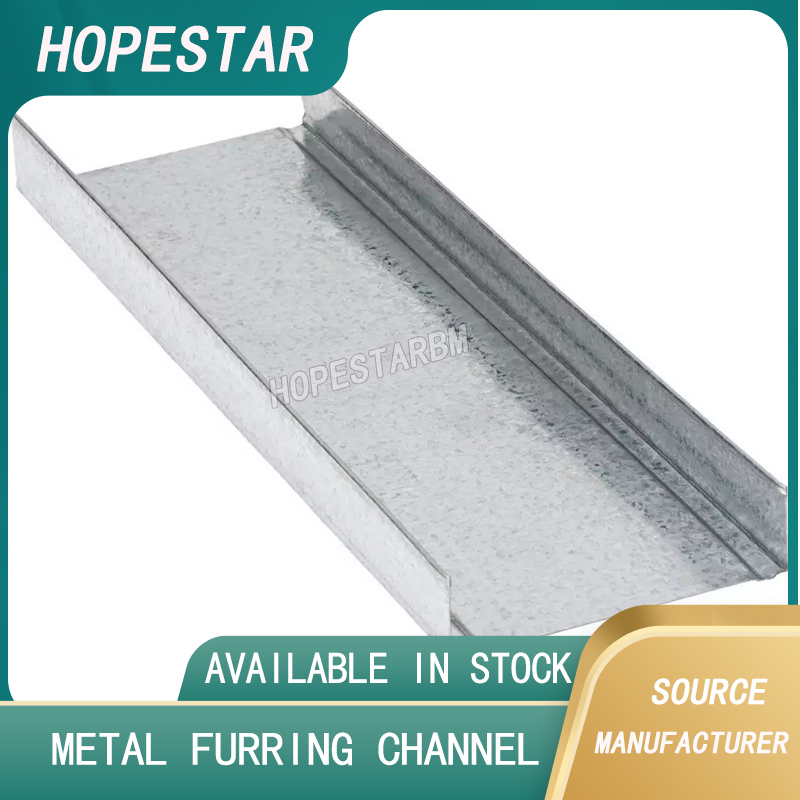
Metal furring channel for ceiling is a vital secondary framing component widely used in suspended ceiling and drywall ceiling systems. Roll-formed from cold-rolled galvanized steel, this lightweight metal profile works together with main channels, hangers and wall angles to create a level,
Metal Furring Channel for Ceiling – Galvanized Secondary Framing for Suspended Drywall Ceilings

Metal omega channel, also widely called omega furring channel or hat channel, is an indispensable secondary metal framing profile for modern suspended ceilings and drywall wall furring systems. Named after its distinctive Ω shape, this profile is roll-formed from cold-rolled galvanized steel
Metal Omega Channel – Galvanized Omega Furring Channel for Drywall Ceiling and Wall Framing