
Where is light steel keel generally used?
2024-05-21
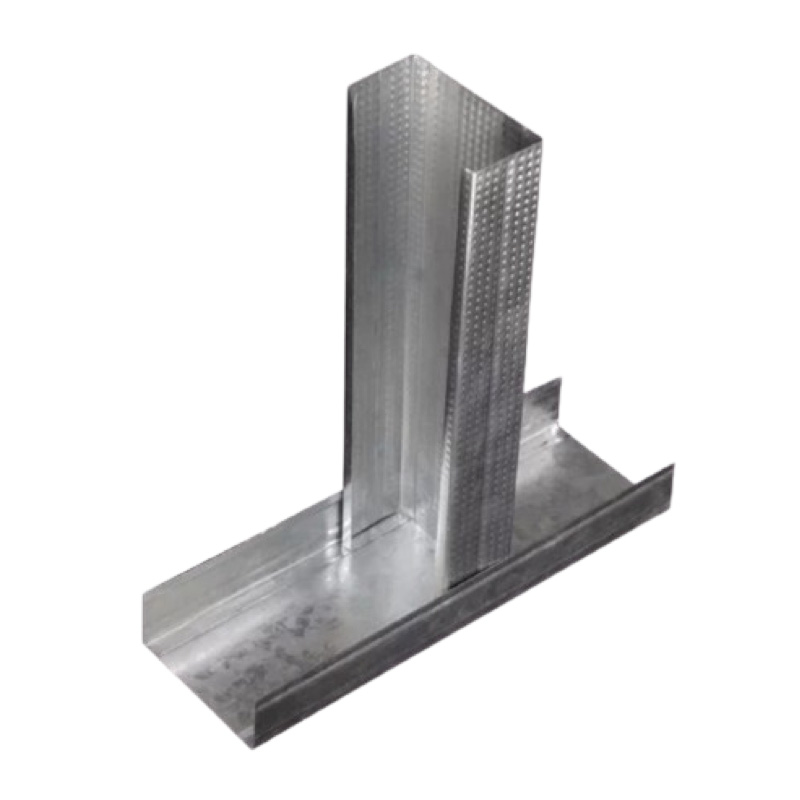
Light steel keel, as the name suggests, is a skeleton material made of lightweight steel. It has many advantages such as light weight, high strength, corrosion resistance, and good fire resistance, so it has been widely used in the field of building decoration. The application range of light steel keel is very wide, and it can be used in various aspects such as walls, ceilings, partitions, and floors.
In terms of walls, light steel keel can be used as a wall skeleton, combined with gypsum board, calcium silicate board and other boards to form lightweight partition walls. This type of partition wall has the characteristics of light weight, good sound insulation effect, and fast construction speed, and is widely used for internal partitions in residential, office, commercial and other buildings. At the same time, light steel keel can also be used in exterior wall insulation systems as a support skeleton for insulation materials, improving the insulation performance and overall stability of the exterior wall.
In terms of ceiling, light steel keel can be used as the ceiling framework, combined with ceiling materials such as mineral wool board and aluminum buckle board, to form a beautiful and elegant ceiling system. Light steel keel suspended ceiling has the advantages of structural stability, strong bearing capacity, and simple construction, and is suitable for various suspended ceiling situations, such as shopping malls, hotels, conference rooms, etc.
In terms of partition, light steel keel can be used to make partition facilities such as screens and display racks. This type of partition facility can not only serve the purpose of spatial division, but also increase the sense of hierarchy and aesthetics of the space. At the same time, the light steel keel partition also has the characteristics of easy disassembly and reusability, making it convenient for users to adjust flexibly according to their needs.
In terms of flooring, light steel keel can be used for flooring, such as laying wooden floors, carpets, etc. Light steel keel, as a supporting framework for ground laying, can improve the bearing capacity and stability of the ground, making it more flat and beautiful.
In addition to the above applications, light steel keel can also be used in other fields, such as making furniture frames, exhibition racks, etc. Its lightweight, high strength, and easy processing characteristics make it also have broad application prospects in these fields.
In summary, as a new type of building material, light steel keel plays an increasingly important role in the modern construction industry due to its unique performance and wide application fields. With the continuous progress of technology and the increasing demand for building quality, the application prospects of light steel keel will be even broader. We believe that in the future field of architecture, light steel keel will continue to leverage its unique advantages to create a better and more comfortable living environment for humanity.
Application of light steel keel for ceiling
Ceiling material competition: light steel keel vs. wood keel, did you choose the right one?
Related Article
Ceiling wall angle, also known as perimeter angle or L-angle, is an indispensable L-shaped metal profile for suspended drywall ceiling systems. Roll-formed from cold-rolled galvanized steel, ceiling wall angle is fixed along the wall perimeter to support the ends of main channels and furring channels,
Ceiling Wall Angle – Galvanized L-Shaped Perimeter Trim for Suspended Drywall Ceilings
Galvanized steel profiles are the foundational metal framing components widely used in modern interior construction. Roll-formed from cold-rolled steel coated with protective zinc layer, galvanized steel profiles cover a full range of shapes including C studs, U tracks, omega channels,
Galvanized Steel Profiles – Reliable Cold Rolled Framing for Drywall Walls and Ceilings

Metal furring channel for ceiling is a vital secondary framing component widely used in suspended ceiling and drywall ceiling systems. Roll-formed from cold-rolled galvanized steel, this lightweight metal profile works together with main channels, hangers and wall angles to create a level,
Metal Furring Channel for Ceiling – Galvanized Secondary Framing for Suspended Drywall Ceilings

Metal omega channel, also widely called omega furring channel or hat channel, is an indispensable secondary metal framing profile for modern suspended ceilings and drywall wall furring systems. Named after its distinctive Ω shape, this profile is roll-formed from cold-rolled galvanized steel
Metal Omega Channel – Galvanized Omega Furring Channel for Drywall Ceiling and Wall Framing