
What are the characteristics of European light steel keel?
2024-05-09
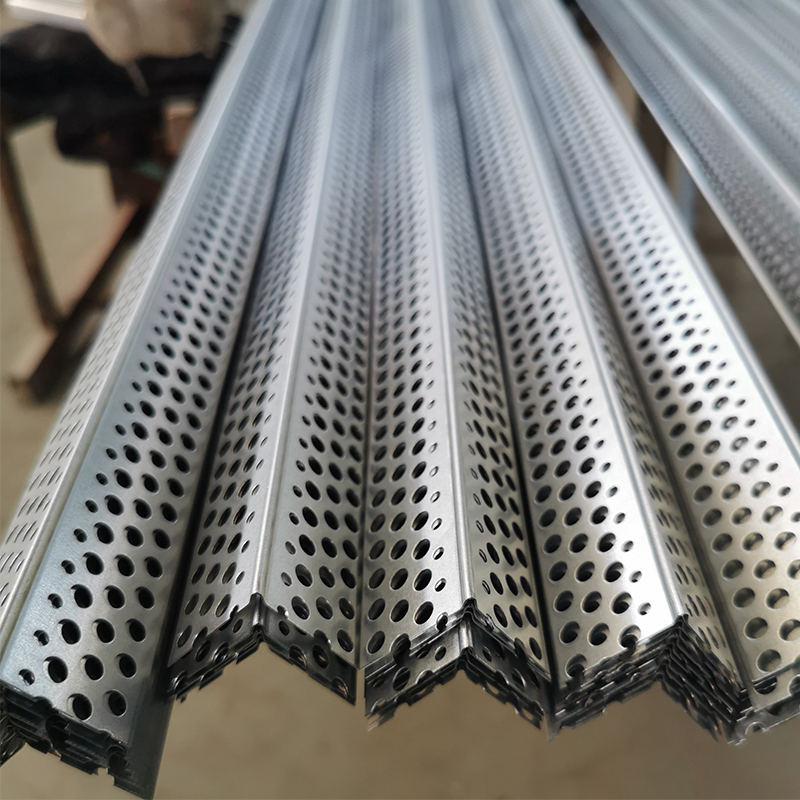
Light steel keel, as a new type of building material, has been widely used in China's modernization construction in recent years. It has become an ideal choice for hotels, airport terminals, stations, amusement parks, shopping malls, factories, office buildings, old building renovations, interior decoration settings, ceilings and other places due to its unique advantages. So, what are the characteristics of light steel keel?
Firstly, light steel keel has the characteristics of lightweight and high strength. It is made of high-quality cold-rolled thin steel plates, which greatly reduces the weight of the building and lowers the bearing pressure of the foundation compared to traditional concrete or brick walls. However, despite its lightweight, its structural load-bearing capacity is very high and can meet various building needs. This lightweight and high-strength feature makes the transportation and installation process of light steel keel more convenient.
Secondly, light steel keel has excellent processing performance. It can be processed as needed, such as cutting, punching, and bending, greatly improving customization and flexibility during the construction process. This ease of processing makes light steel keel more widely used in construction projects.
In addition, the light steel keel also has good fire resistance, shock resistance, and sound insulation performance. The surface galvanizing treatment not only has rust prevention function, but also improves the fire resistance performance to a certain extent. In natural disasters such as earthquakes, the high strength and good toughness of light steel keel can withstand large forces, providing good safety guarantees for buildings. At the same time, the walls and ceilings made of light steel keel have excellent sound insulation effects, creating a quiet and comfortable living environment for people.
In addition, light steel keel also has the advantages of fast construction and short construction period. Due to the factory production and standardized component specifications of the light steel keel, it can be quickly and accurately assembled during the construction process, greatly saving construction time. At the same time, the light steel keel adopts dry construction, which does not require cement mortar masonry, further shortening the construction period. The characteristic of rapid construction makes the application of light steel keel in construction projects more efficient.
It is worth mentioning that the light steel keel also has the characteristic of high flatness. Due to the use of mechanized production and installation, the accuracy and flatness of the components of the light steel keel are guaranteed. This makes the walls, floors, and ceilings of the building very flat, without cracking, deformation, and other problems, improving the overall aesthetics of the building.
Overall, light steel keel has become an indispensable material in modern construction engineering due to its lightweight, high strength, easy processing, fire and vibration prevention, sound insulation, fast construction, and high flatness. With the advancement of technology and the development of the construction industry, light steel keel will play a more important role in the future construction field.
What are the specifications and models of Australian light steel keel
Introduction to the Five Advantages of Australian Light Steel Keel Ceiling
Related Article
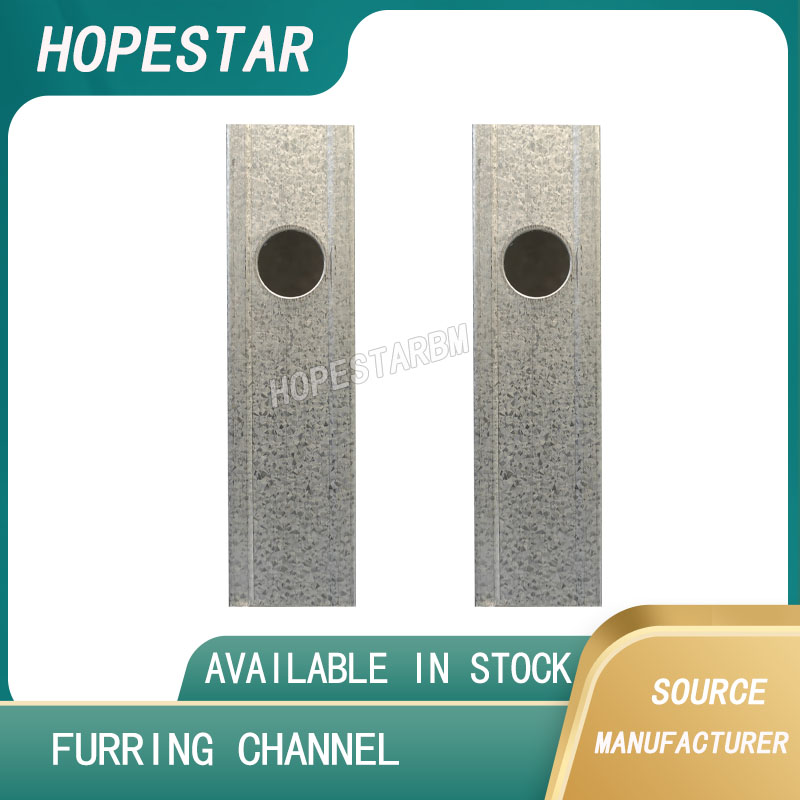
Ceiling wall angle, also known as perimeter angle or L-angle, is an indispensable L-shaped metal profile for suspended drywall ceiling systems. Roll-formed from cold-rolled galvanized steel, ceiling wall angle is fixed along the wall perimeter to support the ends of main channels and furring channels,
Ceiling Wall Angle – Galvanized L-Shaped Perimeter Trim for Suspended Drywall Ceilings
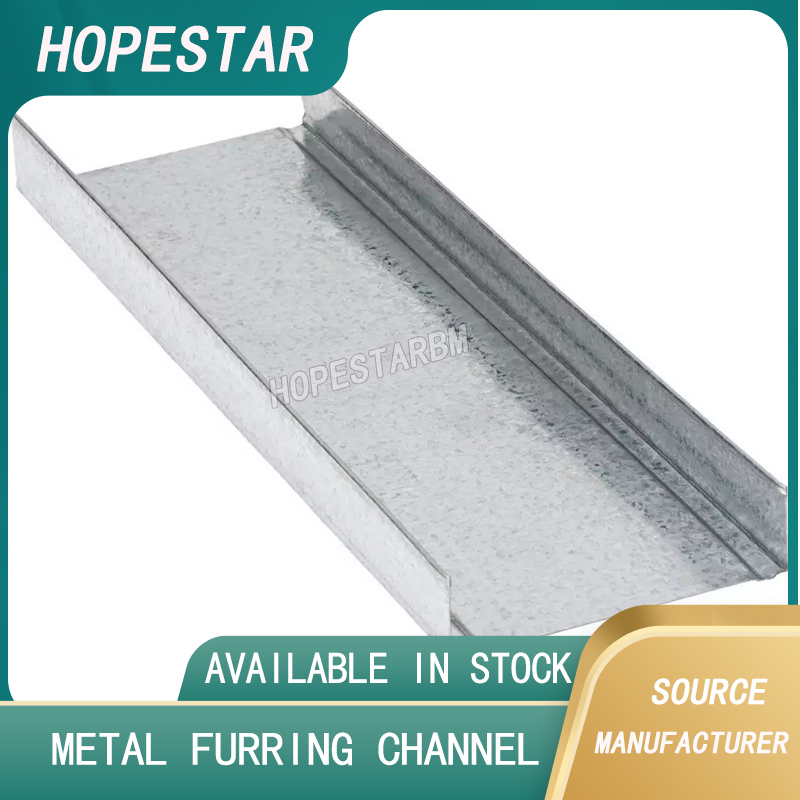
Galvanized steel profiles are the foundational metal framing components widely used in modern interior construction. Roll-formed from cold-rolled steel coated with protective zinc layer, galvanized steel profiles cover a full range of shapes including C studs, U tracks, omega channels,
Galvanized Steel Profiles – Reliable Cold Rolled Framing for Drywall Walls and Ceilings

Metal furring channel for ceiling is a vital secondary framing component widely used in suspended ceiling and drywall ceiling systems. Roll-formed from cold-rolled galvanized steel, this lightweight metal profile works together with main channels, hangers and wall angles to create a level,
Metal Furring Channel for Ceiling – Galvanized Secondary Framing for Suspended Drywall Ceilings

Metal omega channel, also widely called omega furring channel or hat channel, is an indispensable secondary metal framing profile for modern suspended ceilings and drywall wall furring systems. Named after its distinctive Ω shape, this profile is roll-formed from cold-rolled galvanized steel
Metal Omega Channel – Galvanized Omega Furring Channel for Drywall Ceiling and Wall Framing