
How long can the Australian light steel keel ceiling be maintained?
2024-05-07
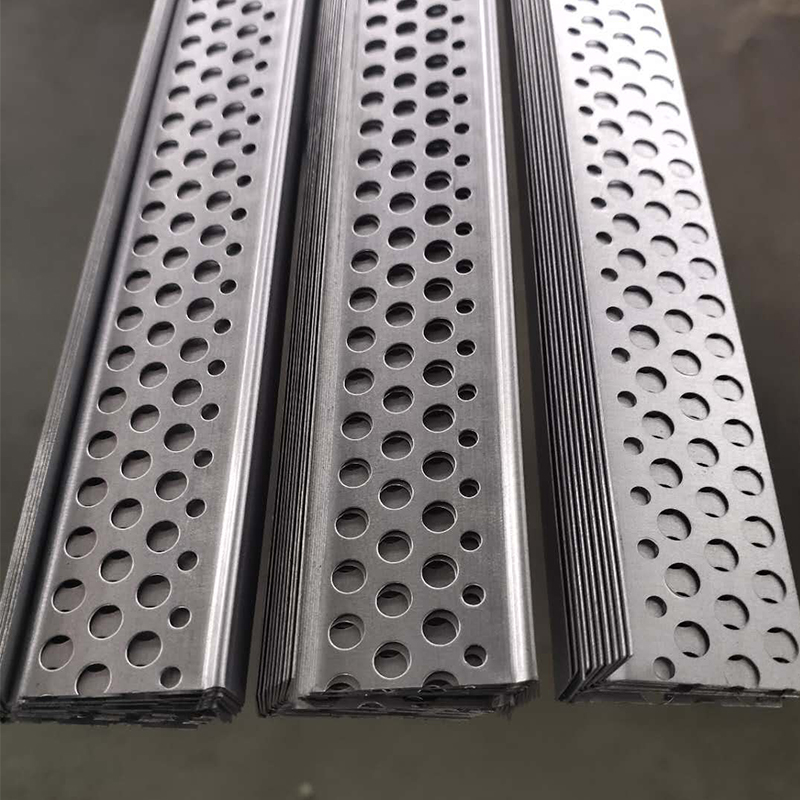
How long the light steel keel ceiling can be maintained is a question involving multiple factors, including material quality, construction technology, and usage environment. Generally speaking, the service life of light steel keel suspended ceilings can reach about 10-20 years, but the specific time still depends on the specific situation.
Firstly, the material quality of light steel keel ceiling is one of the key factors affecting its service life. The better the quality of light steel keel and ceiling panels, the longer their service life will also be. Therefore, when selecting light steel keel ceiling materials, products with good quality and stable performance should be selected, and construction should follow relevant standards and specifications.
Secondly, construction technology is also an important factor affecting the service life of light steel keel suspended ceilings. During the construction process, it is necessary to strictly follow the design requirements to ensure that the installation of the keel and board is firm and flat, and to avoid problems such as loosening and deformation. At the same time, the technical level and experience of construction personnel are also crucial, and experienced construction teams should be selected for construction.
In addition, the usage environment will also have an impact on the service life of light steel keel suspended ceilings. For example, long-term exposure to moisture, sunlight, and other factors can lead to surface coating peeling, rust, and other issues on the ceiling, thereby affecting its service life. Therefore, during use, attention should be paid to keeping the ceiling dry and clean, and avoiding the influence of adverse factors such as direct sunlight.
Overall, the service life of light steel keel suspended ceilings is influenced by various factors, but measures such as selecting high-quality materials, strict construction techniques, and paying attention to the usage environment can effectively extend their service life. At the same time, regular maintenance and upkeep are also important measures to maintain the good condition of light steel keel ceilings.
Analysis of the advantages of Australian light steel keel partition walls
Analysis of construction process for Australian light steel keel
Related Article
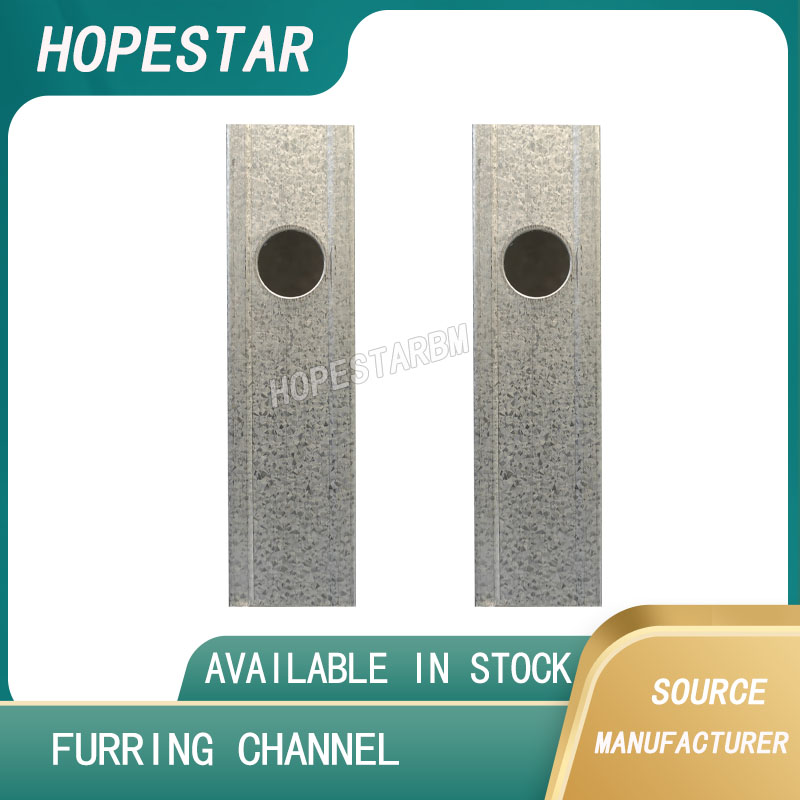
Ceiling wall angle, also known as perimeter angle or L-angle, is an indispensable L-shaped metal profile for suspended drywall ceiling systems. Roll-formed from cold-rolled galvanized steel, ceiling wall angle is fixed along the wall perimeter to support the ends of main channels and furring channels,
Ceiling Wall Angle – Galvanized L-Shaped Perimeter Trim for Suspended Drywall Ceilings
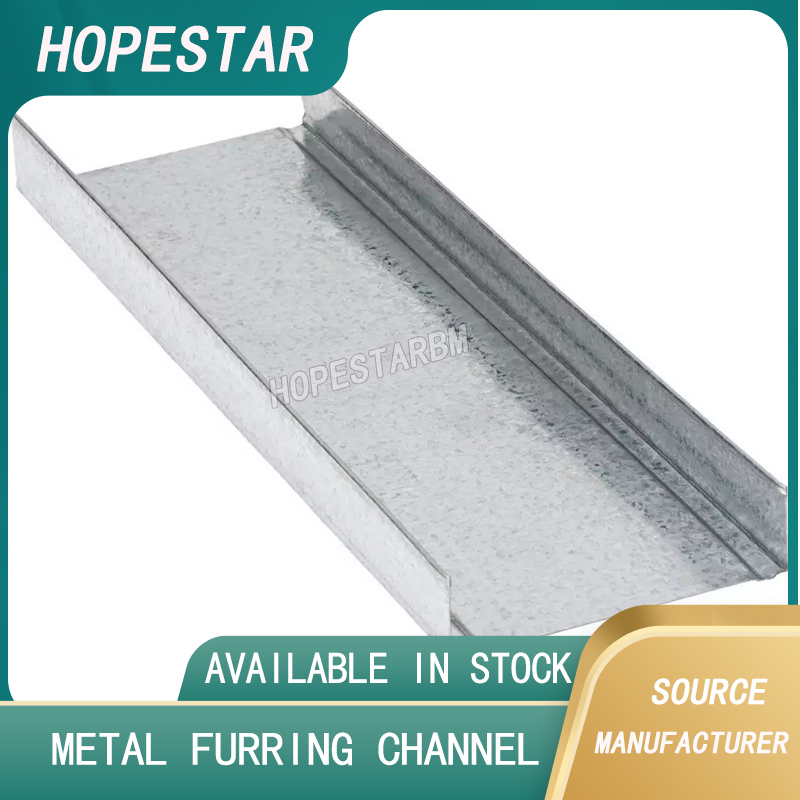
Galvanized steel profiles are the foundational metal framing components widely used in modern interior construction. Roll-formed from cold-rolled steel coated with protective zinc layer, galvanized steel profiles cover a full range of shapes including C studs, U tracks, omega channels,
Galvanized Steel Profiles – Reliable Cold Rolled Framing for Drywall Walls and Ceilings

Metal furring channel for ceiling is a vital secondary framing component widely used in suspended ceiling and drywall ceiling systems. Roll-formed from cold-rolled galvanized steel, this lightweight metal profile works together with main channels, hangers and wall angles to create a level,
Metal Furring Channel for Ceiling – Galvanized Secondary Framing for Suspended Drywall Ceilings

Metal omega channel, also widely called omega furring channel or hat channel, is an indispensable secondary metal framing profile for modern suspended ceilings and drywall wall furring systems. Named after its distinctive Ω shape, this profile is roll-formed from cold-rolled galvanized steel
Metal Omega Channel – Galvanized Omega Furring Channel for Drywall Ceiling and Wall Framing