
What is the best material for drywall partition?
2024-04-23
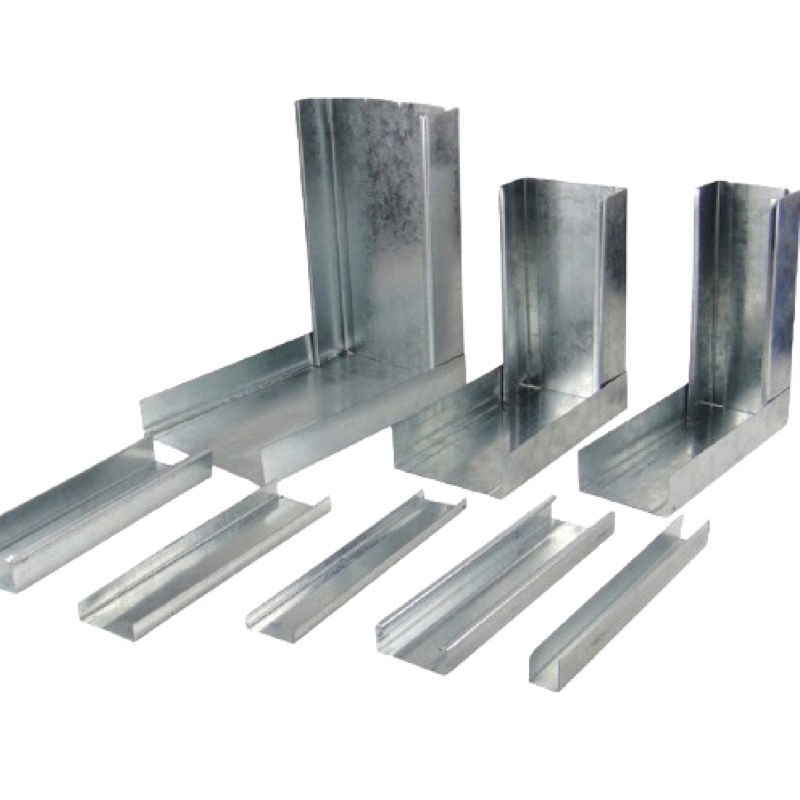
The preferred choice is light steel keel. Light steel keel partition wall is a lightweight and easy to install wall material, which is formed by using light steel keel as the skeleton and installing cover panels (such as paper faced gypsum board) on both sides.
The light steel keel partition wall has the following characteristics:
1. Lightweight: The density of the light steel keel is relatively low, making the entire partition system lightweight and easy to handle and install.
2. High strength: Although the light steel keel itself is lightweight, its structural strength is high and can withstand certain loads.
3. Good fire resistance: Light steel keel is usually treated with galvanizing, which has a certain degree of fire resistance.
4. Strong universality: Light steel keel partition walls are suitable for various building spaces, such as residential, office, shopping malls, etc.
5. Easy installation: The installation process of light steel keel partition walls is relatively simple and can be completed quickly, shortening the construction period.
6. Sound insulation performance: Sound insulation materials such as glass wool, mineral wool board, etc. can be filled into the keel frame according to design requirements to improve the sound insulation effect of the partition wall.
7. Seismic performance: Light steel keel partition walls have seismic performance to a certain extent, especially in low cycle repeated load tests, the yield load and ultimate load of light steel keel composite walls have been improved, showing good seismic performance.
8. Not easily deformed: Light steel keel partition walls are relatively less prone to deformation due to their structural characteristics.
9. Environmental friendliness: The light steel keel material is recyclable and environmentally friendly.
In summary, the light steel keel partition wall is structurally sturdy and can meet the partition wall requirements of general building spaces. However, its specific strength and durability also depend on construction quality, material selection, and later maintenance. During the design and construction process, relevant specifications and standards should be strictly followed to ensure the quality and safety of the partition wall.
What are the characteristics of dry partition walls
What is the difference between gypsum board and drywall partition?
Related Article
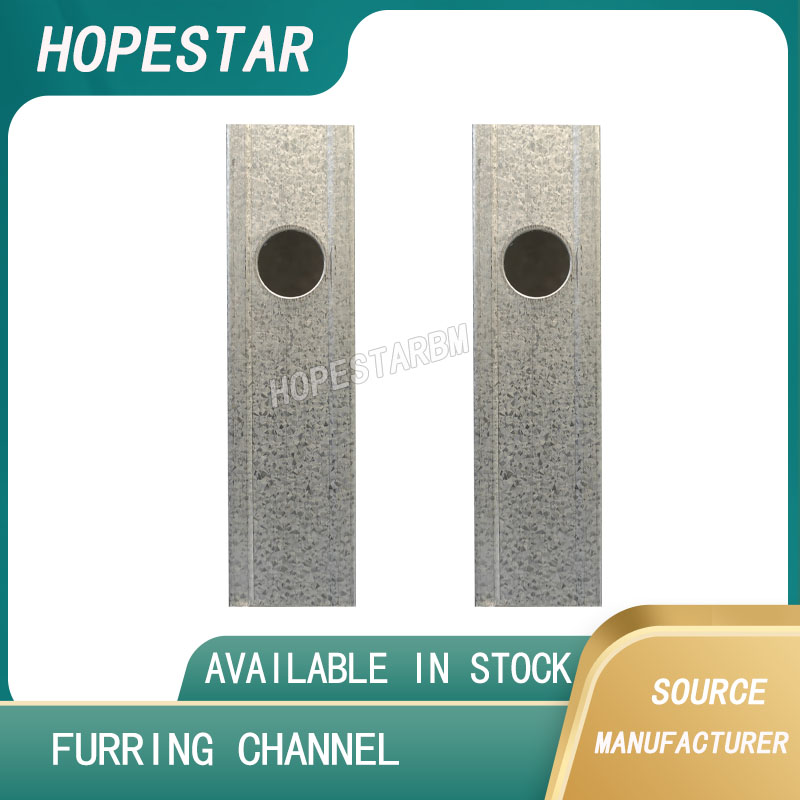
Ceiling wall angle, also known as perimeter angle or L-angle, is an indispensable L-shaped metal profile for suspended drywall ceiling systems. Roll-formed from cold-rolled galvanized steel, ceiling wall angle is fixed along the wall perimeter to support the ends of main channels and furring channels,
Ceiling Wall Angle – Galvanized L-Shaped Perimeter Trim for Suspended Drywall Ceilings
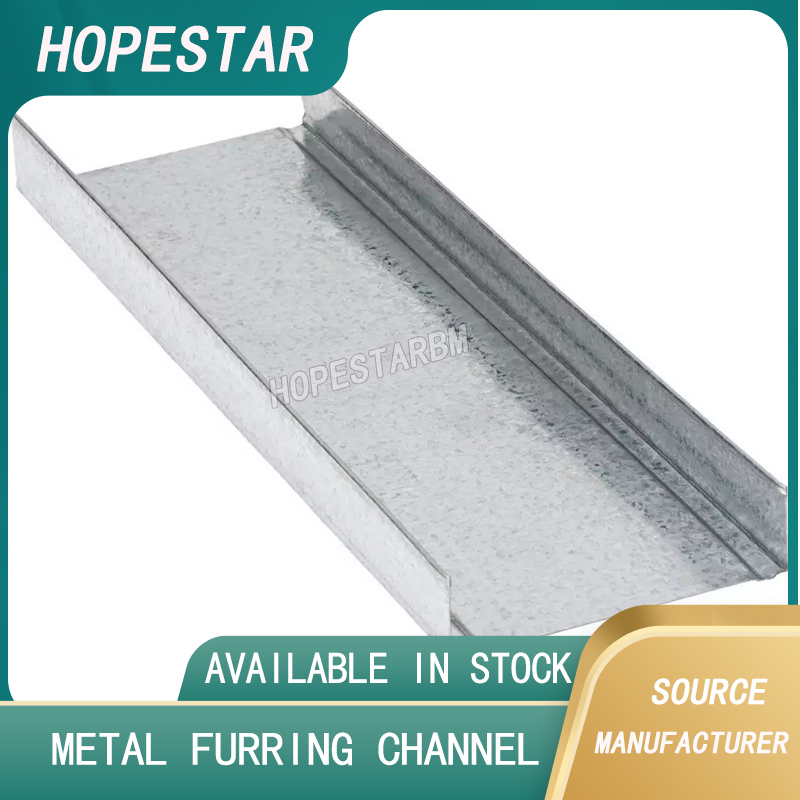
Galvanized steel profiles are the foundational metal framing components widely used in modern interior construction. Roll-formed from cold-rolled steel coated with protective zinc layer, galvanized steel profiles cover a full range of shapes including C studs, U tracks, omega channels,
Galvanized Steel Profiles – Reliable Cold Rolled Framing for Drywall Walls and Ceilings

Metal furring channel for ceiling is a vital secondary framing component widely used in suspended ceiling and drywall ceiling systems. Roll-formed from cold-rolled galvanized steel, this lightweight metal profile works together with main channels, hangers and wall angles to create a level,
Metal Furring Channel for Ceiling – Galvanized Secondary Framing for Suspended Drywall Ceilings

Metal omega channel, also widely called omega furring channel or hat channel, is an indispensable secondary metal framing profile for modern suspended ceilings and drywall wall furring systems. Named after its distinctive Ω shape, this profile is roll-formed from cold-rolled galvanized steel
Metal Omega Channel – Galvanized Omega Furring Channel for Drywall Ceiling and Wall Framing