
What is the load-bearing capacity of the light steel keel?
2024-04-11
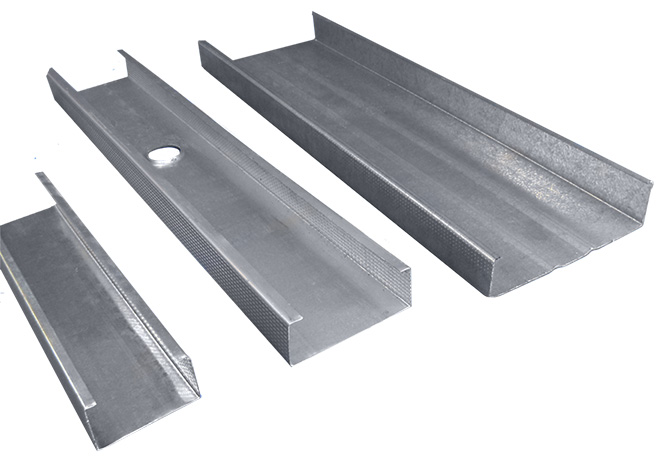
What is the load-bearing capacity of the light steel keel?
Light steel keel, as a new type of building material, has been widely used in the construction industry in recent years. Its unique material and design make light steel keel excellent in load-bearing capacity, becoming an indispensable part of modern architecture.
Light steel keel is made of high-quality steel through cold bending processing, with excellent characteristics such as high strength, lightweight, corrosion resistance, and fire resistance. Compared to traditional wooden keel, light steel keel has higher load-bearing capacity and can meet the requirements of modern architecture for structural strength and safety.
Firstly, the load-bearing capacity of light steel keel benefits from the application of its high-strength materials. Steel itself has high strength and stiffness, which enables light steel keel to better resist deformation and damage under stress. In addition, the design of the light steel keel also fully considers the overall integrity and stability of the structure, making the entire structure more sturdy through reasonable connection methods and layout.
Secondly, the lightweight characteristics of light steel keel also provide strong support for its load-bearing capacity. Although traditional wooden keel also has a certain load-bearing capacity, due to its large weight, it will increase the load on the entire building, thereby increasing the cost and risk of the building. Light steel keel, on the other hand, has the characteristic of being lightweight, which not only reduces the load on the building, but also makes construction more convenient and efficient.
In addition, light steel keel also has good corrosion resistance and fire resistance performance. Steel itself is not easily affected by corrosion and insect infestation, and can maintain its structural stability and safety for a long time. At the same time, light steel keel can also maintain good stability at high temperatures and is not easy to burn, providing higher safety guarantees for buildings.
In addition, light steel keel also has good corrosion resistance and fire resistance performance. Steel itself is not easily affected by corrosion and insect infestation, and can maintain its structural stability and safety for a long time. At the same time, light steel keel can also maintain good stability at high temperatures and is not easy to burn, providing higher safety guarantees for buildings.
In modern architecture, light steel keel is widely used in suspended ceilings, partitions, walls, and other parts. Its excellent load-bearing capacity and stability make the building more sturdy, safe, and aesthetically pleasing. Meanwhile, light steel keel also has certain environmental friendliness, which can reduce the use of wood and reduce its impact on the environment.
However, light steel keel also has some limitations. For example, its cost is relatively high and requires certain professional skills and equipment during construction, so it may not be applicable in some traditional or low-cost buildings. In addition, attention should be paid to the details when connecting and fixing the light steel keel to avoid problems such as looseness or detachment.
Overall, light steel keel, as a new type of building material, performs excellently in load-bearing capacity, providing a safer, more aesthetically pleasing, and environmentally friendly solution for modern architecture. With the continuous progress of technology and the continuous development of the construction industry, the application prospects of light steel keel will be even broader. In the future, we look forward to the application of light steel keel in more fields, making greater contributions to the development and progress of the construction industry.
What is the price of light steel keel partition wall
The reason for choosing light steel keel for suspended ceiling
Related Article
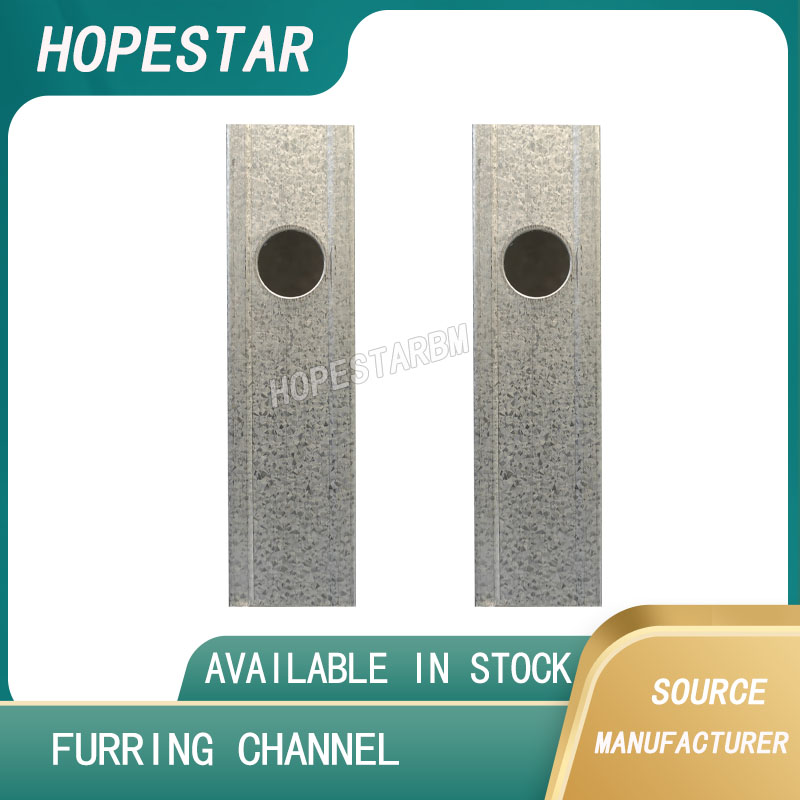
Ceiling wall angle, also known as perimeter angle or L-angle, is an indispensable L-shaped metal profile for suspended drywall ceiling systems. Roll-formed from cold-rolled galvanized steel, ceiling wall angle is fixed along the wall perimeter to support the ends of main channels and furring channels,
Ceiling Wall Angle – Galvanized L-Shaped Perimeter Trim for Suspended Drywall Ceilings
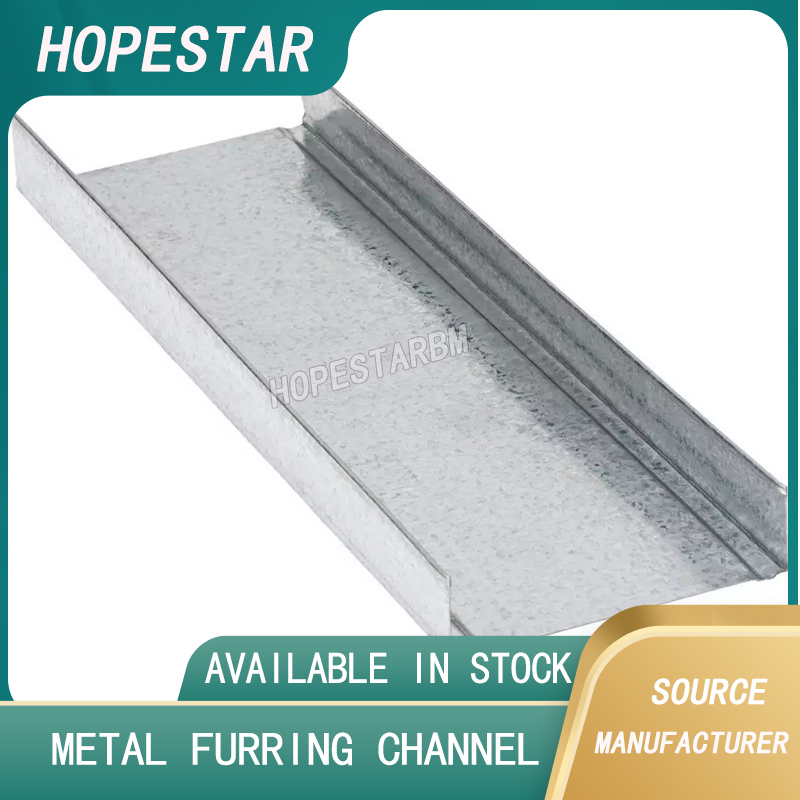
Galvanized steel profiles are the foundational metal framing components widely used in modern interior construction. Roll-formed from cold-rolled steel coated with protective zinc layer, galvanized steel profiles cover a full range of shapes including C studs, U tracks, omega channels,
Galvanized Steel Profiles – Reliable Cold Rolled Framing for Drywall Walls and Ceilings

Metal furring channel for ceiling is a vital secondary framing component widely used in suspended ceiling and drywall ceiling systems. Roll-formed from cold-rolled galvanized steel, this lightweight metal profile works together with main channels, hangers and wall angles to create a level,
Metal Furring Channel for Ceiling – Galvanized Secondary Framing for Suspended Drywall Ceilings

Metal omega channel, also widely called omega furring channel or hat channel, is an indispensable secondary metal framing profile for modern suspended ceilings and drywall wall furring systems. Named after its distinctive Ω shape, this profile is roll-formed from cold-rolled galvanized steel
Metal Omega Channel – Galvanized Omega Furring Channel for Drywall Ceiling and Wall Framing