
aluminum furring strips
2024-07-02
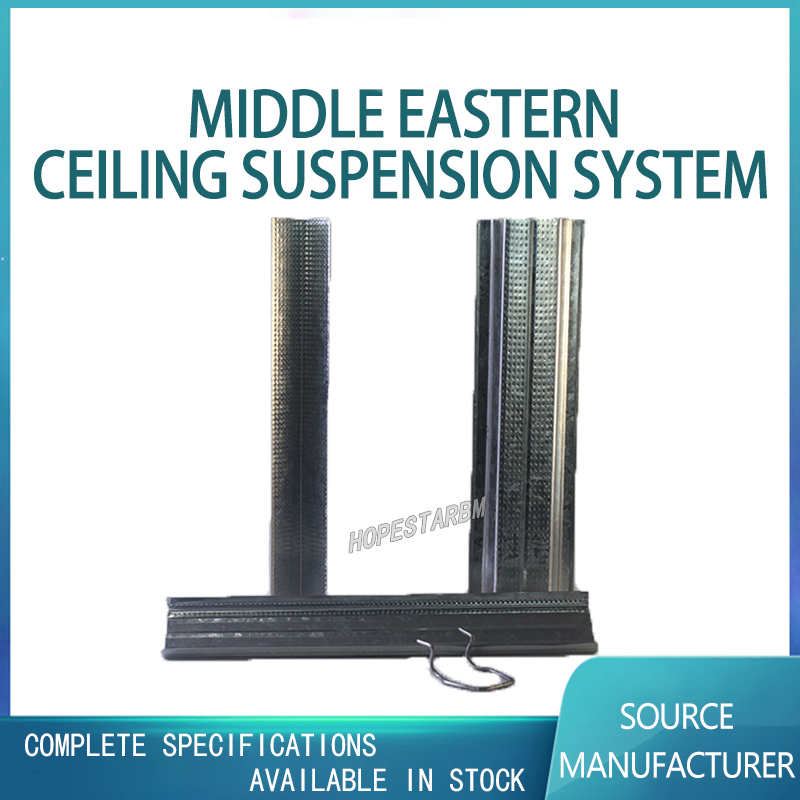
Aluminum furring strips are an indispensable material in the construction and decoration industry, providing a solid foundation and reliable support for ceiling systems. This article will delve into the characteristics, applications, installation methods, and future development trends of aluminum ceiling keel, presenting readers with comprehensive knowledge in this field.
1、 Characteristics of aluminum ceiling keel
Aluminum ceiling keel occupies an important position in the ceiling system due to its unique performance. Firstly, aluminum material has the characteristics of lightweight and high strength, which enables the ceiling keel to provide strong support while reducing the weight of the overall structure. Secondly, aluminum has good corrosion resistance and oxidation resistance, and can maintain long-term stability even in humid or harsh environments. In addition, the aluminum ceiling keel also has excellent thermal conductivity and conductivity, is easy to process and install, has strong plasticity, and can be customized in different shapes and sizes according to needs.
2、 Application of aluminum ceiling keel
Aluminum ceiling keel is widely used in various construction and decoration projects, including commercial spaces, office buildings, hotels, hospitals, schools, etc. In the ceiling system, the ceiling keel serves as the support structure for the ceiling panel, bearing the weight and fixing role. By installing the ceiling keel, it is easy to install various ceiling panels, such as gypsum board, mineral wool board, aluminum buckle board, etc., thereby achieving diversified ceiling effects.
3、 Installation method of aluminum ceiling keel
The installation of aluminum ceiling keel requires following certain steps and specifications. Firstly, determine the layout and spacing of the ceiling keel based on the ceiling design drawings. Then, drill holes and install suspension rods on the base layer of the ceiling, ensuring that the suspension rods are vertical and firm. Next, connect the ceiling keel to the suspension rod and fix it with clips or screws. During the installation process, attention should be paid to the level and verticality of the ceiling keel to ensure that the ceiling panel is flat and aesthetically pleasing after installation. Finally, install suspension components, lighting fixtures, and other equipment on the ceiling keel as needed.
4、 The development trend of aluminum ceiling keel
With the continuous development of the construction and decoration industry, aluminum ceiling keel is also constantly innovating and advancing. On the one hand, with the improvement of materials science and processing technology, the performance and quality of aluminum ceiling keel will be further improved. For example, the use of new aluminum alloy materials can further improve the strength and corrosion resistance of ceiling keels; The use of advanced processing technology can achieve more precise customization and processing. On the other hand, with the popularization of green environmental protection concepts, aluminum ceiling keel will pay more attention to environmental protection and sustainability. For example, using recyclable aluminum materials can reduce resource consumption and environmental pollution; The use of green processing technology can reduce energy consumption and emissions during the production process.
5、 Selection and maintenance of aluminum ceiling keel
When choosing aluminum ceiling keel, consumers should pay attention to the following points. Firstly, it is important to choose products produced by reputable manufacturers to ensure product quality and after-sales service. Secondly, suitable models and specifications should be selected based on actual needs and budget. At the same time, attention should be paid to checking the appearance quality and material performance of the product to ensure that it meets the requirements. During use, the ceiling keel should be regularly inspected and maintained to promptly identify and address potential issues. For example, to check whether the ceiling keel is deformed, loose, or damaged; Clean the dust and dirt on the surface of the ceiling keel to maintain its cleanliness and aesthetics.
6、 Comparison between aluminum ceiling keel and other ceiling materials
In the ceiling system, aluminum ceiling keel has unique advantages compared to other ceiling materials. For example, compared to wooden ceiling keel, aluminum ceiling keel has better corrosion resistance and fire resistance performance; Compared with steel ceiling keel, aluminum ceiling keel has the characteristic of being lighter, convenient for handling and installation. In addition, aluminum ceiling keels also have good plasticity and customizability, and can be customized with different shapes and sizes according to needs to meet the needs of different projects.
In summary, aluminum ceiling keel, as an important material for ceiling systems, plays an important role in the construction and decoration industry. By gaining a deeper understanding of the characteristics, applications, installation methods, and development trends of aluminum ceiling keel, we can better select and use aluminum ceiling keel, providing strong support for the successful implementation of the project.
14 gauge hat channel
what is a hat channel
Related Article
Ceiling wall angle, also known as perimeter angle or L-angle, is an indispensable L-shaped metal profile for suspended drywall ceiling systems. Roll-formed from cold-rolled galvanized steel, ceiling wall angle is fixed along the wall perimeter to support the ends of main channels and furring channels,
Ceiling Wall Angle – Galvanized L-Shaped Perimeter Trim for Suspended Drywall Ceilings
Galvanized steel profiles are the foundational metal framing components widely used in modern interior construction. Roll-formed from cold-rolled steel coated with protective zinc layer, galvanized steel profiles cover a full range of shapes including C studs, U tracks, omega channels,
Galvanized Steel Profiles – Reliable Cold Rolled Framing for Drywall Walls and Ceilings

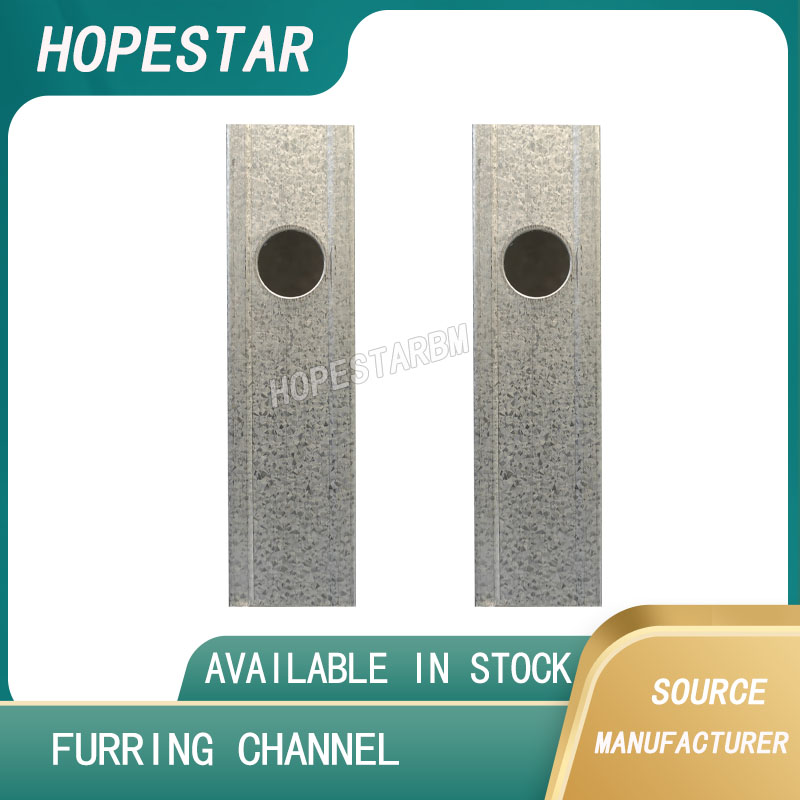
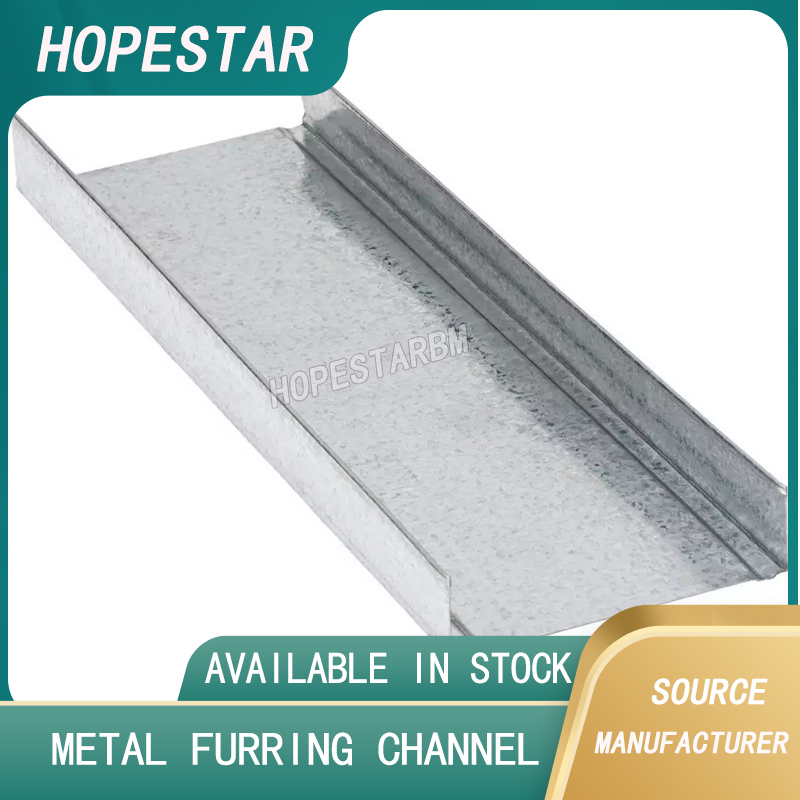
Metal furring channel for ceiling is a vital secondary framing component widely used in suspended ceiling and drywall ceiling systems. Roll-formed from cold-rolled galvanized steel, this lightweight metal profile works together with main channels, hangers and wall angles to create a level,
Metal Furring Channel for Ceiling – Galvanized Secondary Framing for Suspended Drywall Ceilings

Metal omega channel, also widely called omega furring channel or hat channel, is an indispensable secondary metal framing profile for modern suspended ceilings and drywall wall furring systems. Named after its distinctive Ω shape, this profile is roll-formed from cold-rolled galvanized steel
Metal Omega Channel – Galvanized Omega Furring Channel for Drywall Ceiling and Wall Framing