
Australia metal furring wall characteristic
2024-03-26
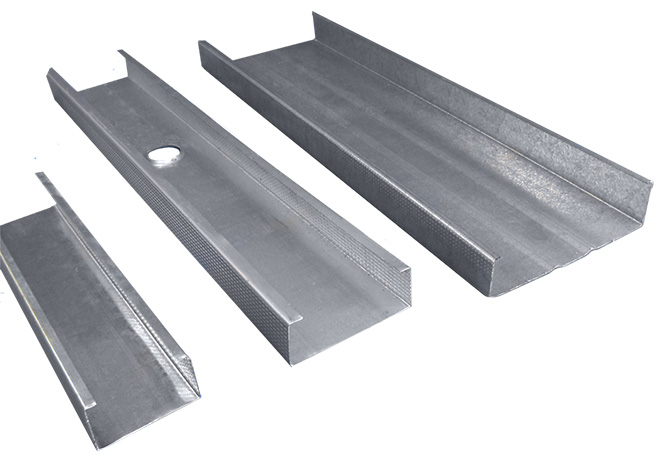
Metal keel wall is a widely used construction method in modern architecture, characterized by the use of metal materials as wall keels to replace traditional materials such as wood or gypsum board. Metal keel walls have been widely used in the construction industry due to their high strength, fire resistance, moisture resistance, and corrosion resistance. In this article, we will delve into the characteristics, advantages, application areas, and construction techniques of metal keel walls.
1、 The characteristics of metal keel walls
The main characteristics of metal keel walls are their high strength and stability. Due to the excellent mechanical properties of metal materials, metal keel walls have significant advantages in bearing weight and resisting deformation. In addition, metal keel walls also have good characteristics such as fire resistance, moisture resistance, and corrosion resistance, allowing them to maintain stable performance in various harsh environments.
2、 The advantages of metal keel walls
1. Environmental protection and energy conservation: Metal keel walls generate less waste during the production process and can be recycled, which is in line with the concept of green environmental protection. Meanwhile, the thermal conductivity of metal materials is relatively low, which has a certain insulation effect and helps to save energy and reduce emissions.
2. Easy construction: The construction process of metal keel walls is relatively simple, and prefabricated assembly construction can be used to improve construction efficiency. In addition, the weight of metal keel walls is relatively light, reducing the labor intensity of construction personnel.
3. Beautiful and elegant: The surface of the metal keel wall can be treated with spraying, baking paint, etc., presenting a variety of colors and textures, making the building appearance more beautiful and elegant.
4. Strong durability: Metal keel walls have a long service life and are not easily affected by factors such as moisture and corrosion, and can maintain stable performance for a long time.
3、 Application fields of metal keel walls
Metal keel walls are widely used in various fields such as commercial buildings, residential buildings, and public facilities. In commercial buildings, metal keel walls are often used for partition, ceiling, and wall decoration in places such as shopping malls, hotels, and office buildings. In the residential field, metal keel walls are gradually favored by homeowners and developers due to their environmental protection, energy conservation, and aesthetic characteristics. In terms of public facilities, metal keel walls are also commonly used in the construction of schools, hospitals, sports venues, and other places.
4、 Construction technology of metal keel wall
The construction process of metal keel walls mainly includes the following steps:
1. Design drawings: Draw construction drawings for metal keel walls based on the requirements of the building's functional use, spatial layout, and decoration style.
2. Material preparation: Prepare corresponding metal materials, connectors, fasteners, etc. according to the requirements of the design drawings.
3. Install keel: According to the design drawings, install metal keel on the wall to ensure the level and verticality of the keel.
4. Fixed keel: Use connectors and fasteners to fix the keel to the wall, ensuring the stability and firmness of the keel.
5. Installation of panels: Install metal panels on the keel to ensure the flatness and aesthetics of the panels.
6. Acceptance inspection: Conduct acceptance inspection on the completed metal keel wall to ensure that the construction quality meets the requirements.
5、 Summary
Metal keel walls, as a widely used construction method in modern architecture, have characteristics such as high strength, fire resistance, moisture resistance, and corrosion resistance, and have been widely used in the construction industry. Its advantages of environmental protection, energy conservation, simple construction, beautiful appearance, and strong durability have made metal keel walls widely used in multiple fields. With the continuous progress of technology and the continuous development of the construction industry, metal keel walls will play a more important role in the future, bringing more innovation and breakthroughs to the construction industry.
what is metal furring ceiling
9mm Fiber Cement Sheet: Exploring Its Characteristics and Applications
Related Article
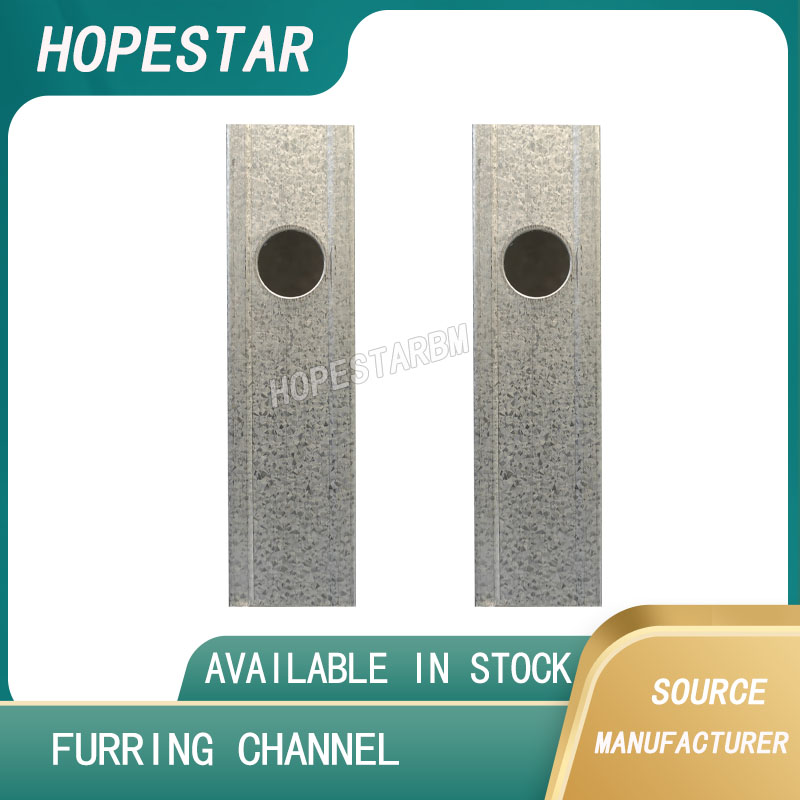
Ceiling wall angle, also known as perimeter angle or L-angle, is an indispensable L-shaped metal profile for suspended drywall ceiling systems. Roll-formed from cold-rolled galvanized steel, ceiling wall angle is fixed along the wall perimeter to support the ends of main channels and furring channels,
Ceiling Wall Angle – Galvanized L-Shaped Perimeter Trim for Suspended Drywall Ceilings
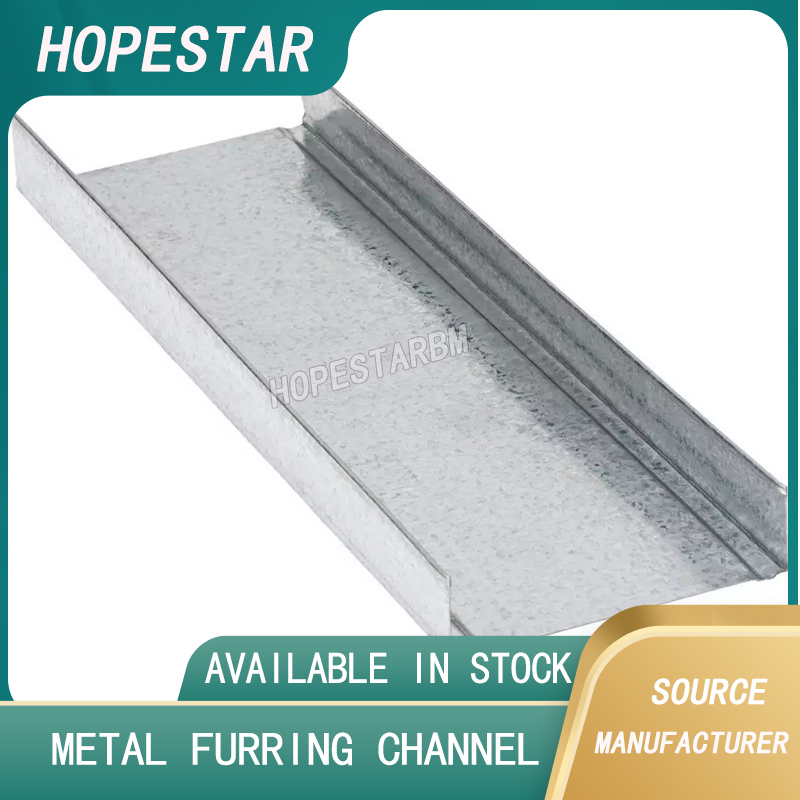
Galvanized steel profiles are the foundational metal framing components widely used in modern interior construction. Roll-formed from cold-rolled steel coated with protective zinc layer, galvanized steel profiles cover a full range of shapes including C studs, U tracks, omega channels,
Galvanized Steel Profiles – Reliable Cold Rolled Framing for Drywall Walls and Ceilings

Metal furring channel for ceiling is a vital secondary framing component widely used in suspended ceiling and drywall ceiling systems. Roll-formed from cold-rolled galvanized steel, this lightweight metal profile works together with main channels, hangers and wall angles to create a level,
Metal Furring Channel for Ceiling – Galvanized Secondary Framing for Suspended Drywall Ceilings

Metal omega channel, also widely called omega furring channel or hat channel, is an indispensable secondary metal framing profile for modern suspended ceilings and drywall wall furring systems. Named after its distinctive Ω shape, this profile is roll-formed from cold-rolled galvanized steel
Metal Omega Channel – Galvanized Omega Furring Channel for Drywall Ceiling and Wall Framing