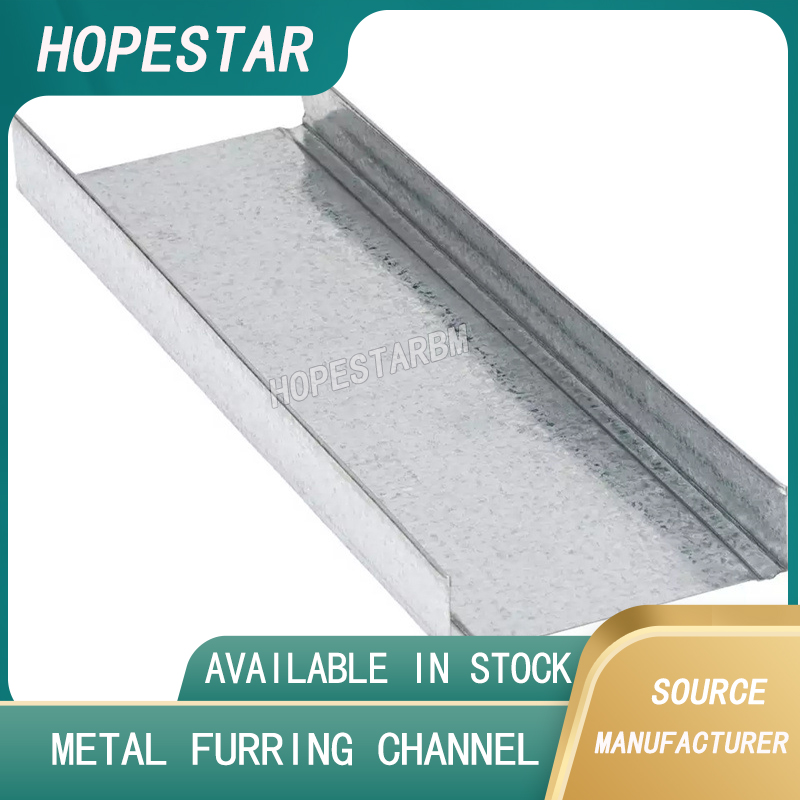
Why Steel Studs Are the Backbone of Modern Construction

In modern construction, steel studs have become an essential material for creating strong, durable, and cost-effective building frameworks. Unlike traditional wooden framing, steel studs offer numerous advantages in terms of stability, fire resistance, and sustainability, making them a preferred choice for architects, contractors, and builders worldwide.
Strength and Durability
One of the main reasons steel studs are favored in construction is their superior strength. Steel is non-combustible, moisture-resistant, and immune to warping or cracking, unlike wood which can rot or be damaged by termites. Buildings framed with steel studs maintain structural integrity for decades, even under challenging environmental conditions. This durability ensures that walls, ceilings, and partitions remain straight and stable over time.
Lightweight and Easy to Install
Steel studs are significantly lighter than wooden studs, which simplifies transportation and installation. Their uniform size and shape reduce the need for adjustments during construction, allowing for precise measurements and faster assembly. Additionally, steel studs are designed with pre-punched holes, making it easy to run electrical wiring and plumbing without additional drilling.
Fire and Moisture Resistance
Another major benefit of steel stud framing is its high resistance to fire and moisture. Steel does not burn or absorb water, which greatly reduces fire risks and prevents mold growth in humid environments. This property makes steel studs ideal for both residential and commercial buildings, especially in regions with fluctuating weather or high humidity.
Cost Efficiency and Sustainability
While the initial cost of steel studs may be slightly higher than wood, their long-term value is unmatched. Because they require less maintenance and have a longer lifespan, they ultimately lower overall project costs. Furthermore, steel studs are 100% recyclable, supporting eco-friendly construction practices and reducing waste in the building industry. Many modern construction projects now prioritize steel framing to meet green building certifications.
Versatility in Applications
Steel studs are versatile and can be used in a wide range of projects, from interior walls and ceilings to load-bearing structures in high-rise buildings. Their precision engineering allows them to fit perfectly with drywall systems and insulation materials, creating smooth surfaces and efficient thermal performance.
Conclusion
In today’s construction landscape, steel studs are not just an alternative to wood — they are a modern standard for efficiency, safety, and sustainability. Whether in residential homes, commercial spaces, or industrial facilities, the use of steel studs ensures a future-proof building structure that stands strong against time and environmental challenges.
The Essential Role of Drywall Furring Channel in Modern Wall Systems
Why Furring Channel Ceiling Systems Are Essential for Modern Interiors
Related Article