Why Steel Stud is the Backbone of Modern Construction
In the world of modern construction, the Steel Stud has become a fundamental element that combines strength, precision, and efficiency. Once overshadowed by traditional wood framing, steel studs are now widely used in both residential and commercial projects. Their growing popularity is driven by durability, cost-effectiveness, and adaptability to diverse building requirements. This article will explore what steel studs are, their advantages, types, installation methods, and why they remain the backbone of today’s construction industry.
What is a Steel Stud?
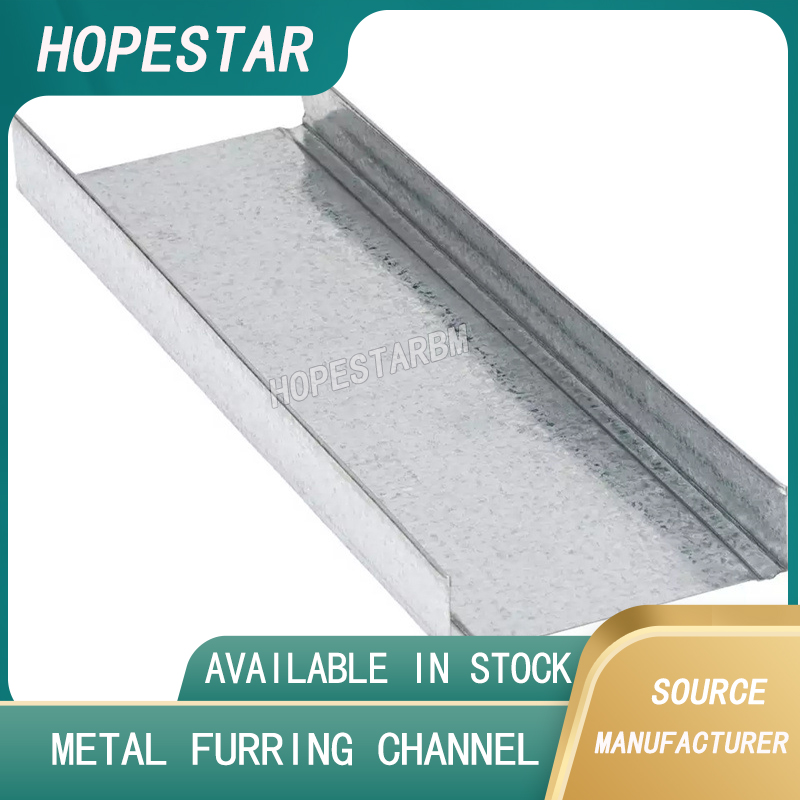
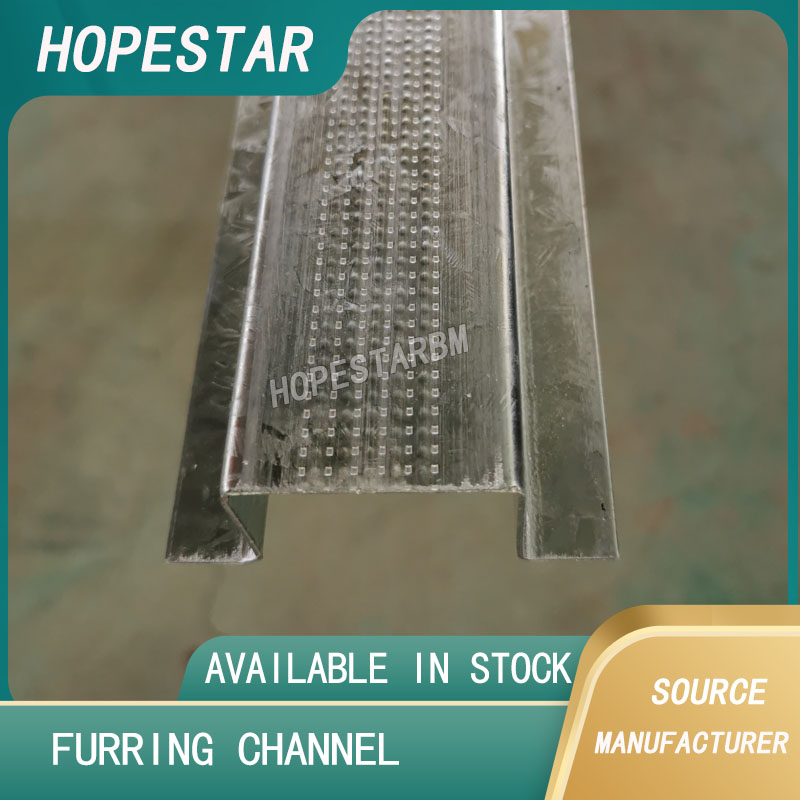
A Steel Stud is a framing component typically made from galvanized steel, designed to provide structural support for walls, ceilings, and partitions. Unlike wood studs, steel studs are manufactured in standardized dimensions with consistent quality, ensuring reliability in large-scale construction projects. Their lightweight yet strong profile allows builders to create frames that are straight, uniform, and resistant to common problems like warping or shrinking.
Benefits of Using Steel Stud
1. Long-Term Durability
The primary reason contractors prefer Steel Stud systems is durability. Galvanized steel resists moisture, rot, and termites, making it ideal for humid climates or buildings that require long-lasting performance. Unlike wood, steel maintains its shape over time and does not crack or split under pressure.
2. Precision and Consistency
Steel studs are manufactured with exact dimensions, meaning each stud is identical to the next. This uniformity eliminates guesswork during installation and ensures perfectly straight walls. For large projects, this consistency saves both time and labor costs.
3. Fire Resistance
A Steel Stud is inherently non-combustible, which significantly improves the fire resistance of a building. Many construction codes prioritize steel framing for safety in schools, hospitals, and office buildings, where fire protection is critical.
4. Eco-Friendly Choice
Steel is 100% recyclable, making it an environmentally responsible option. Many steel studs are already made from recycled materials, contributing to sustainable construction practices and helping projects meet green building certifications.
5. Lightweight Yet Strong
Despite being lighter than wood, steel provides exceptional load-bearing strength. This balance makes handling and installation easier without compromising structural stability.
Types of Steel Stud
Different construction needs call for different types of Steel Stud. The most common categories include:
-
C-Studs: Shaped like a “C,” these are the most widely used for wall partitions and non-load-bearing frames.
-
U-Tracks: These serve as the channel base and top track in which C-studs are inserted.
-
Heavy-Gauge Studs: Designed for load-bearing walls and structures requiring extra strength.
-
Light-Gauge Studs: Typically used for interior partitions, ceilings, and non-structural framing.
By selecting the right type of steel stud, builders can meet both structural and design requirements.
Installation of Steel Stud
The Essential Guide to Metal Corner Bead in Modern Drywall Construction
Related Article