Why Modern Ceilings Using Metal Furring Channels Outperform Traditional Framing
When it comes to interior construction, the ceiling is often the most scrutinized surface in a room. Under the glare of recessed lighting, even the slightest dip or wave becomes a glaring imperfection. To achieve a "dead-flat" finish that stands the test of time, industry professionals have moved away from traditional timber battens in favor of advanced suspended systems. Specifically, constructing a ceiling using metal furring channels has become the gold standard for both commercial and high-end residential projects.
Understanding the Metal Furring System
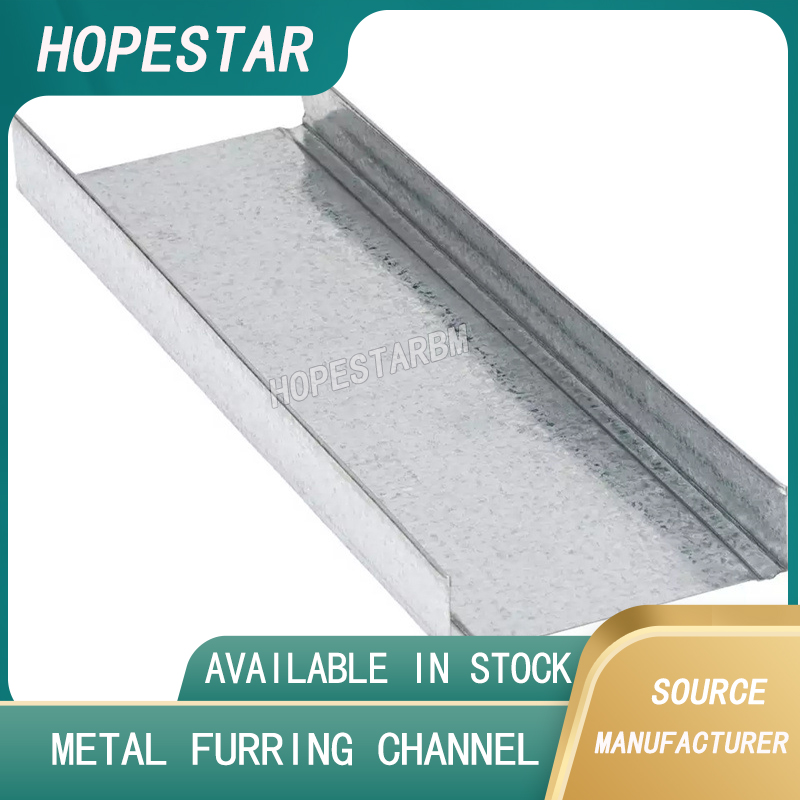
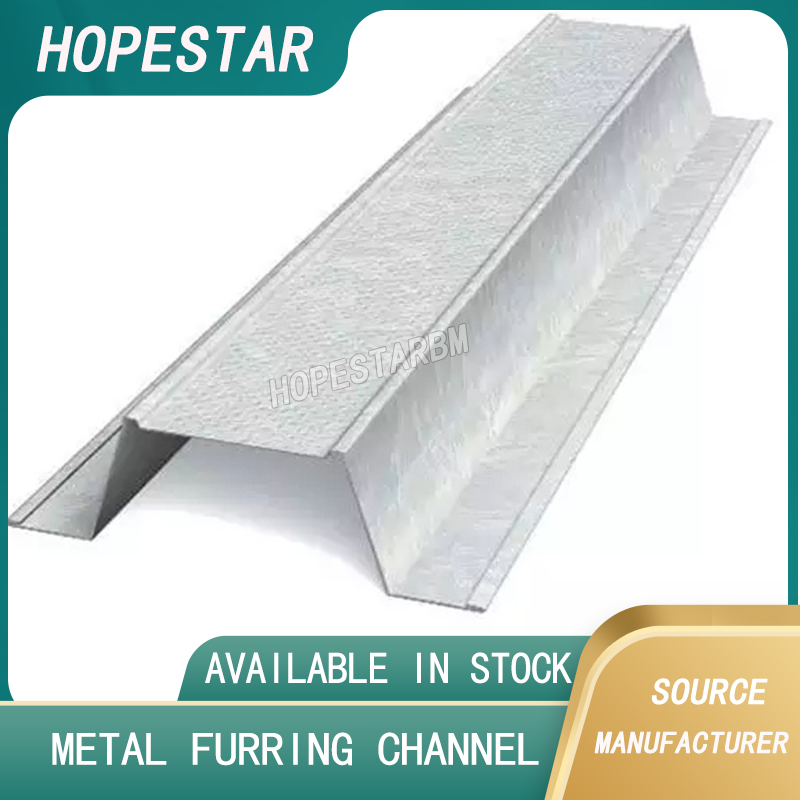
A ceiling using metal furring channels—often referred to as a "hat channel" system due to the profile of the steel—is a secondary framing structure. It typically consists of a grid made from galvanized steel. This grid is either suspended from the structural soffit using wire hangers and main runners (C-channels) or fixed directly to the underside of floor joists or concrete slabs.
The "furring" refers to the process of leveling out a surface. By using adjustable suspension components, contractors can create a perfectly horizontal plane, regardless of how uneven the original structural ceiling might be.
1. Unmatched Structural Leveling
One of the primary reasons for choosing a ceiling using metal furring channels is the ability to correct structural flaws. In large-scale buildings, concrete slabs are rarely perfectly level, and wooden joists are prone to "crowning" or sagging over time.
A metal furring system acts as a corrective skeleton. By adjusting the length of the suspension hangers, installers can drop the ceiling to a precise height, ensuring that the final drywall installation is free of the bows and shadows that plague wooden frames.
2. Dimensional Stability and Durability
Unlike wood, which is a hygroscopic material that expands and contracts with changes in humidity, galvanized steel is dimensionally stable. A wooden furring strip can warp, twist, or rot, eventually leading to "screw pops" or cracks in the drywall joints.
A ceiling using metal furring channel is impervious to moisture, termites, and fungal decay. This makes it the ideal choice for high-moisture areas like kitchens, basements, and bathrooms, or for regions with extreme seasonal climate shifts. Once the steel grid is locked into place, it remains straight and true for the life of the building.
3. Enhanced Acoustic and Fire Performance
In multi-family housing or office environments, sound transmission is a major concern. Metal furring channels contribute to better acoustic "decoupling." Because the furring channel is lightweight and flexible compared to a solid wood beam, it does not transmit impact noise (like footsteps from the floor above) as effectively. When combined with resilient sound clips, a metal furring system can significantly increase the STC (Sound Transmission Class) rating of a room.
Furthermore, steel is non-combustible. Utilizing a metal framing system adds an extra layer of fire protection to the structure, helping to maintain the integrity of fire-rated assemblies required by modern building codes.
4. Versatility for Modern Design
Modern interior design often calls for complex features like recessed "cove" lighting, multi-level bulkheads (soffits), and integrated HVAC diffusers. The modular nature of metal furring channels allows for incredible design flexibility. They can be easily cut, overlapped, and braced to create architectural features that would be cumbersome and heavy to build with timber.
Efficiency on the Job Site
From a labor perspective, metal furring systems are engineered for speed. The components are lightweight, easy to handle, and require minimal tools—typically just aviation snips and a screw gun. The "nestable" design of the channels also means they take up less storage space on-site, simplifying logistics for high-rise construction.
Final Thoughts
Building a ceiling using metal furring channels is an investment in quality. While the initial material cost might differ slightly from basic timber, the long-term savings—found in reduced maintenance, faster installation, and the elimination of structural cracking—make it the superior choice. For architects and contractors aiming for a flawless, museum-quality finish, the hat channel system is the only way to go.
Drywall Furring Channel: The Essential Component for Modern Ceiling and Wall Systems
What is an L Corner Bead?
Related Article