Why Metal Studs Are Becoming the First Choice for Modern Construction
In today’s fast-changing construction industry, builders and contractors are looking for materials that are strong, lightweight, fire-resistant, and easy to install. Among the many framing materials available, Metal Studs have become one of the most popular choices for commercial buildings, offices, hotels, hospitals, and even residential projects.
Compared with traditional wood framing, metal studs offer better durability, consistent quality, and improved performance in modern interior systems. As green building standards continue to rise worldwide, metal stud framing is gaining even more attention from architects and developers.
What Are Metal Studs?
Metal studs are galvanized steel framing components used to create walls, ceilings, partitions, and structural support systems. They are commonly used together with tracks and drywall boards to form lightweight wall systems.
These steel framing members are manufactured in different widths, lengths, and thicknesses to meet various construction requirements. Common applications include:
- Interior partition walls
- Suspended ceiling systems
- Office drywall framing
- Hotel room divisions
- Commercial renovation projects
- Fire-rated wall systems
Because they are made from galvanized steel, metal studs provide excellent resistance to corrosion and moisture.
Key Advantages of Metal Studs
1. Excellent Fire Resistance
One of the biggest advantages of metal studs is their non-combustible property. Unlike wood, steel does not burn, making metal framing safer for commercial and public buildings.
This feature is especially important in:
- Hospitals
- Shopping malls
- Schools
- Airports
- High-rise buildings
Fire-rated drywall systems often rely on metal studs to meet strict building safety regulations.
2. Lightweight but Strong
Although metal studs are lightweight, they still provide high structural strength. This makes transportation, handling, and installation much easier on construction sites.
Contractors can:
- Reduce labor costs
- Improve installation efficiency
- Lower transportation expenses
- Speed up project completion
For large-scale commercial projects, this efficiency can significantly reduce overall construction time.
3. Better Dimensional Stability
Wood framing can expand, shrink, crack, or warp due to humidity and temperature changes. Metal studs maintain stable dimensions over time, helping walls remain straight and smooth.
This stability improves:
- Drywall finishing quality
- Wall alignment
- Long-term structural reliability
- Interior appearance
It also reduces future maintenance problems.
4. Resistant to Termites and Mold
Since metal studs are made of galvanized steel, they are not affected by termites, insects, or rot. In humid environments, they also perform better than wood framing.
This makes them ideal for:
- Coastal areas
- Tropical climates
- Basements
- Bathrooms
- Kitchens
Moisture-resistant construction systems often prefer steel framing for long-term durability.
Common Types of Metal Studs
Standard Metal Studs
These are widely used for non-load-bearing interior partition walls in offices and residential buildings.
Heavy-Duty Metal Studs
Heavy-gauge metal studs provide additional strength for taller walls and high-impact areas.
Shaft Wall Studs
Designed for elevator shafts, stairwells, and fire-rated vertical systems.
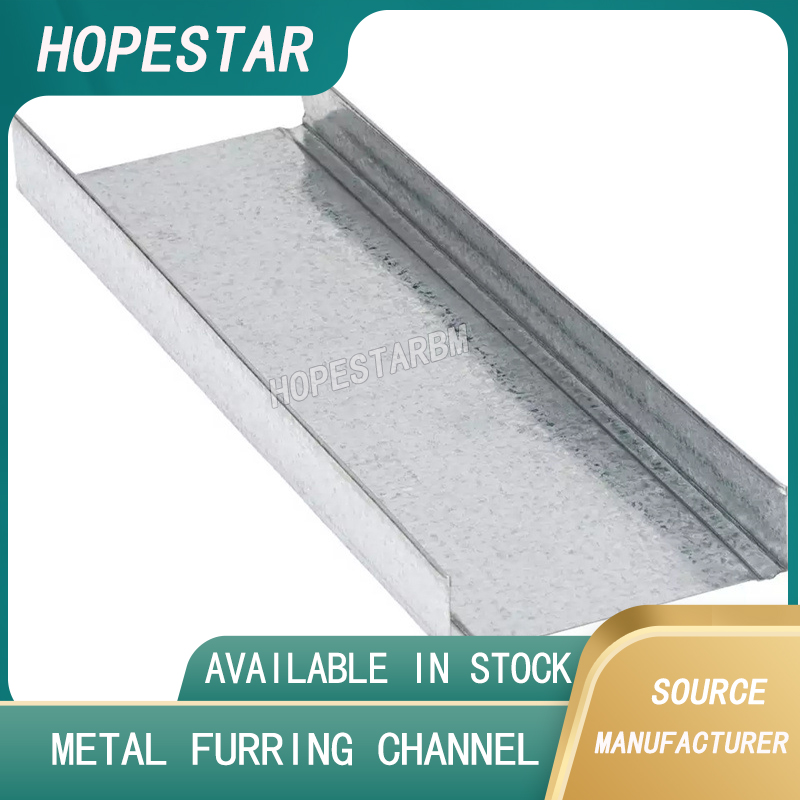
Furring Channels
These are used to level uneven surfaces and create ceiling or wall support systems.
Different construction projects may require different stud thicknesses and profiles depending on building codes and structural needs.
Ceiling Suspension System Explained: Benefits, Components, and Modern Applications
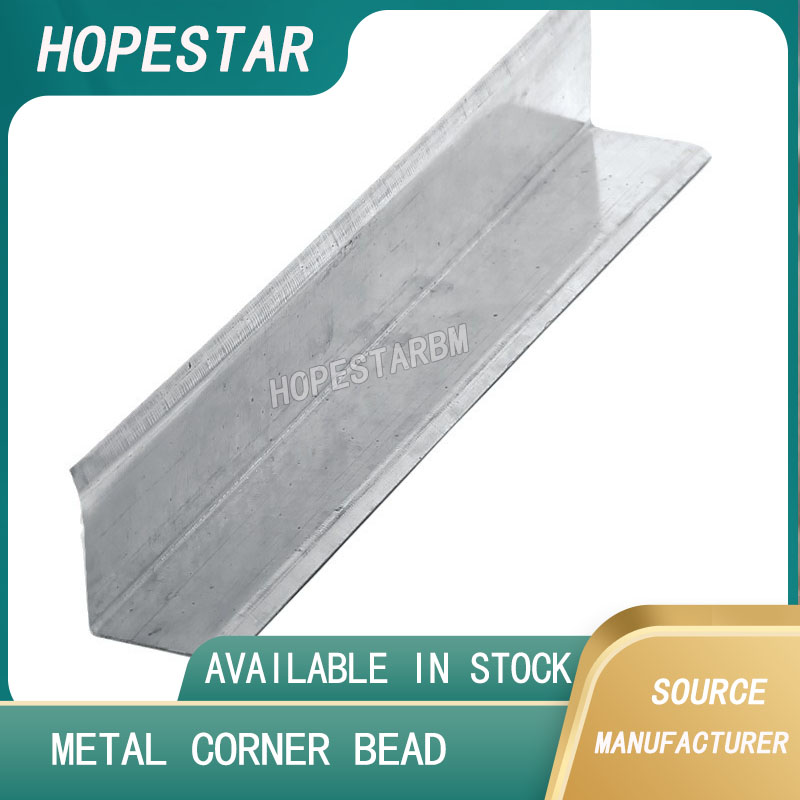
Why Galvanized Steel Metal Corner Beads Are Popular Worldwide
Related Article