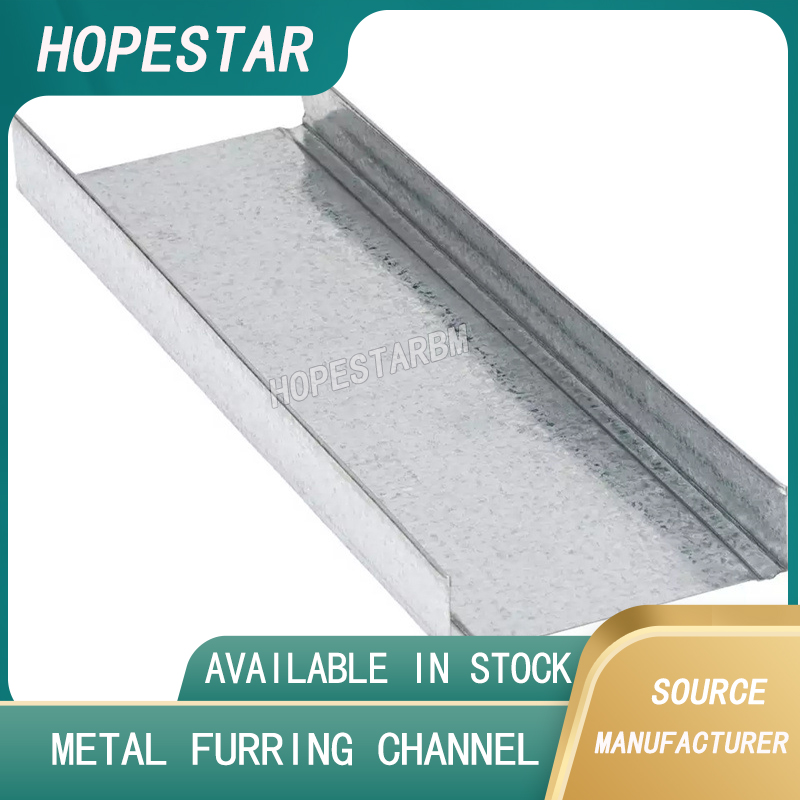
Why Metal Furring Channel Is Essential for Drywall Support
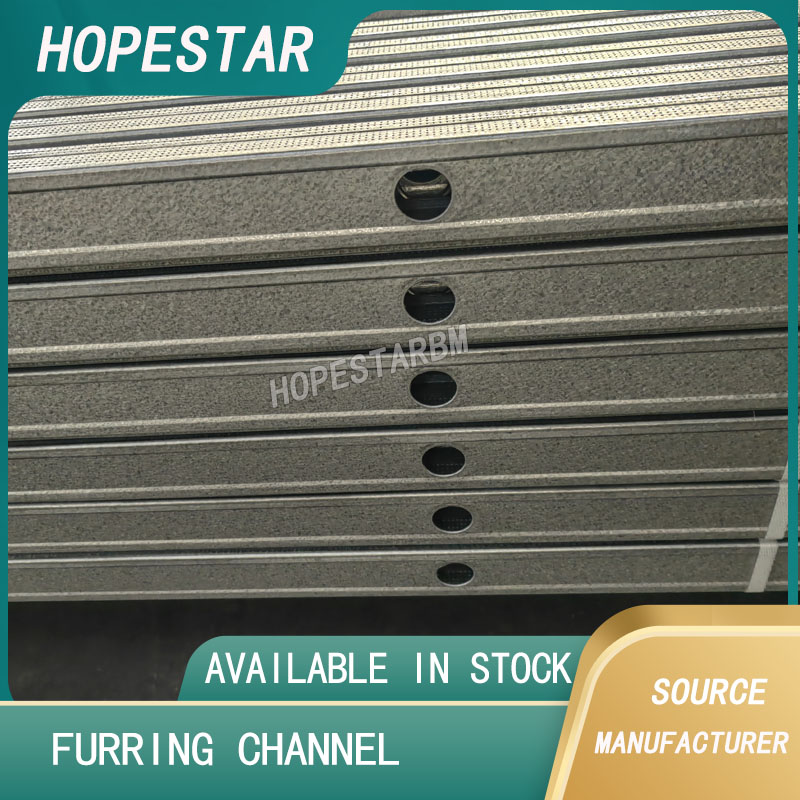
In modern construction, achieving durable and seamless drywall installations requires the right structural components. Among them, metal furring channels play a critical role in supporting drywall panels, ensuring stability, alignment, and longevity. Whether you are working on residential walls or commercial ceilings, metal furring channels provide a reliable framing system for drywall support.
What Is a Metal Furring Channel?
A metal furring channel is a cold-formed, lightweight steel profile, typically shaped like a hat or U-channel, used to level surfaces and create a secure framework for attaching drywall sheets. These channels are designed to be fastened to walls, ceilings, or masonry, forming a stable substrate for gypsum boards or plaster.
Why Use Metal Furring Channels for Drywall?
-
Superior Support and Stability
Metal furring channels offer excellent structural integrity, minimizing the risk of sagging, warping, or cracks in drywall. They help maintain an even and level surface, especially on uneven walls or ceilings. -
Moisture and Fire Resistance
Galvanized steel channels are corrosion-resistant and non-combustible, making them ideal for damp environments like basements, bathrooms, or kitchens, as well as buildings with strict fire safety codes. -
Easy Installation and Versatility
Furring channels are compatible with a variety of fasteners, hangers, and connectors. They can be installed vertically or horizontally, depending on the framing layout. Their versatility makes them suitable for walls, ceilings, soffits, and partition systems. -
Lightweight Yet Durable
Unlike wood framing, metal furring channels are lightweight and easy to handle, yet strong enough to support large drywall panels. They are also dimensionally stable and unaffected by temperature or humidity changes.
Typical Applications
-
Interior wall framing for gypsum drywall
-
Ceiling systems for residential or commercial buildings
-
Furring over masonry or concrete walls
-
Creating space for electrical conduits or insulation
-
Soundproof wall and ceiling assemblies
Standard Sizes and Profiles
Metal furring channels come in various sizes and gauges to suit different project needs. Common profiles include:
-
7/8" Hat Furring Channel (25 Gauge)
-
1-1/2" U-shaped Furring Channel
-
Z-Furring Channels for insulation attachment
The choice of gauge (20, 22, or 25) depends on load requirements and span distances.
How to Install Metal Furring Channels for Drywall
-
Mark layout lines on the wall or ceiling.
-
Secure the main channels using screws or anchors.
-
Install cross members if needed, ensuring proper spacing (typically 16" or 24" on center).
-
Fasten drywall panels to the channels using drywall screws.
-
Apply joint compound and tape to finish the seams.
Where to Buy Metal Furring Channels
If you're sourcing high-quality metal furring channels for drywall support, look for manufacturers offering:
-
Galvanized or hot-dip coated steel
-
Various gauge options
-
Standard compliance (ASTM C645 or equivalent)
-
Bulk pricing for contractors and builders
Final Thoughts
Metal furring channels are the backbone of strong and reliable drywall systems. They ensure straight, crack-free surfaces while providing fire and moisture resistance that traditional wood furring cannot match. Whether you're remodeling a small room or constructing a large building, investing in quality furring channels is key to long-lasting drywall performance.
Metal Furring Channel for Wall Construction: A Reliable Framework for Modern Building
Metal Corner Bead for Gypsum Board Protection
Related Article