Why Light Gauge Steel Stud Framing is the Game-Changer for Your Residential Basement Finishing
Transforming an unfinished basement into a functional living space is one of the most rewarding home improvement projects. However, basements present unique challenges—specifically moisture, humidity, and irregular concrete slabs. While wood has been the traditional choice for decades, light gauge steel stud framing has emerged as the superior solution for residential basement finishing.
If you are a homeowner or a DIY enthusiast planning a remodel, here is why switching to metal framing will save you time, money, and future headaches.
1. Ultimate Moisture and Mold Resistance
The biggest enemy of any basement is moisture. Basements are naturally prone to dampness, condensation, and the occasional leak. Wood is organic, meaning it acts as a food source for mold and is susceptible to rot when it comes into contact with moisture from a concrete floor.
Light gauge steel studs are inorganic. They do not rot, warp, or support the growth of mold and mildew. By using galvanized steel framing, you ensure that the "bones" of your new basement remain structurally sound and healthy for decades, regardless of the humidity levels.
2. Perfectly Straight Walls, Every Time
Wood studs are notorious for being bowed, twisted, or knotted. Selecting straight pieces at a lumber yard can be a tedious process, and even then, wood can warp after installation as it dries out.
Steel studs are manufactured to exacting standards. They are perfectly straight and dimensionally stable. When you use steel for your basement walls, your corners will be a crisp 90 degrees, and your drywall will lay perfectly flat. This precision makes the subsequent stages of finishing—like installing baseboards and crown molding—significantly easier.
3. Ease of Installation for DIYers
Many homeowners are intimidated by metal framing, but it is actually more DIY-friendly than wood.
-
Weight: Steel studs are incredibly light, making them easy to carry into a basement and install solo.
-
Tools: You don’t need a heavy miter saw. A simple pair of aviation snips can cut light gauge steel, and a cordless drill is all you need for assembly.
-
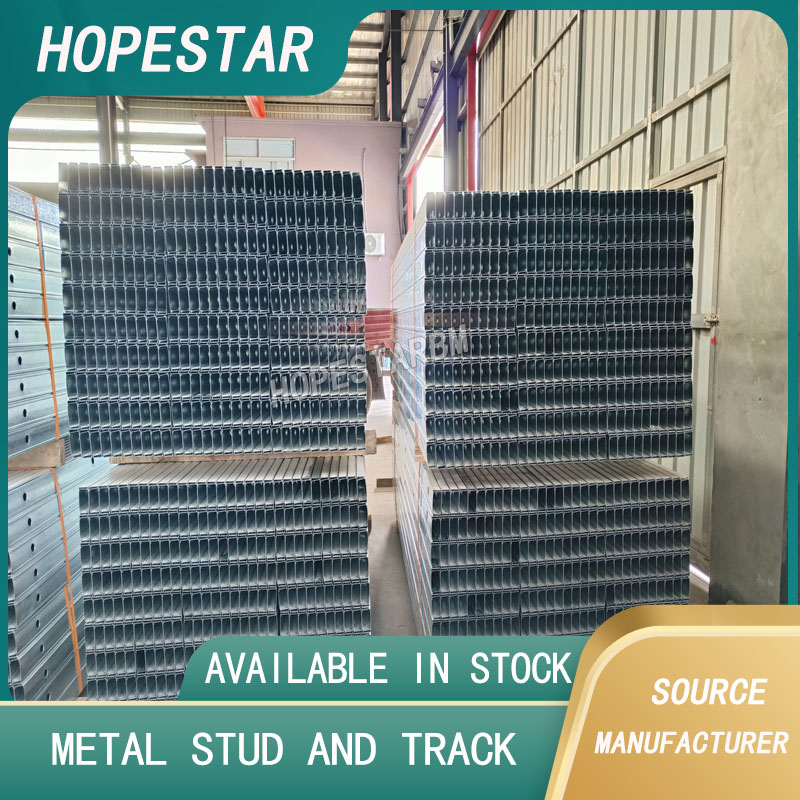
The Track System: Instead of complex toe-nailing, steel framing uses a "track and stud" system. You fasten a track to the floor and ceiling, then simply slide the studs into place and screw them in.
4. Built-in Features for Electrical and Plumbing
One of the most underrated benefits of light gauge steel framing is the presence of pre-punched "knockouts." These are holes manufactured into the studs at regular intervals, allowing you to run electrical wiring and PEX plumbing through the walls without the need for a drill. To protect wires from the metal edges, you simply snap in plastic grommets, making the rough-in process faster and safer.
5. Fire Safety and Termite Protection
Safety is paramount in residential construction. Steel is non-combustible. In the event of an electrical fire behind a wall, steel studs will not contribute fuel to the fire, potentially providing your family with critical extra minutes to exit. Additionally, while subterranean termites can feast on wood framing, they cannot damage steel, providing you with a "pest-proof" structure.
6. Space-Saving Efficiency
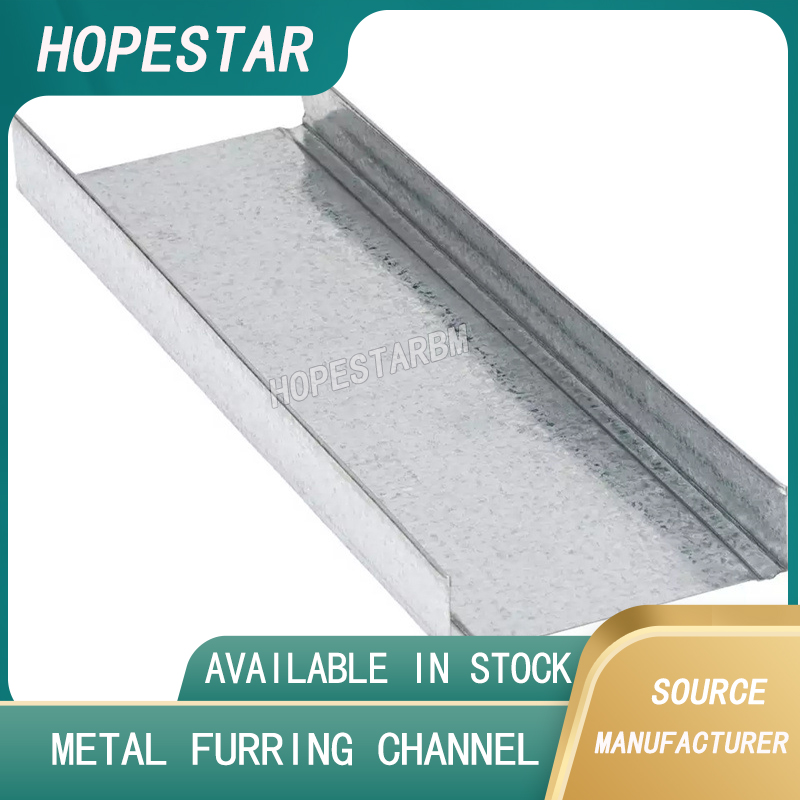
In basements with low ceilings, every inch counts. Light gauge steel allows for thinner wall profiles if necessary and integrates perfectly with metal furring channels (hat channels) to level out uneven masonry walls without losing significant square footage.
Conclusion
When it comes to residential basement finishing, light gauge steel stud framing is the modern standard. It tackles the specific environmental risks of a basement—mold and moisture—while providing a level of precision that wood simply cannot match. By choosing steel, you are investing in a durable, safe, and perfectly straight foundation for your new living room, home office, or gym.
What is a Metal Stud? A Comprehensive Guide to Modern Framing Solutions
Why Metal Furring Channels Define Modern Architectural Geometry
Related Article