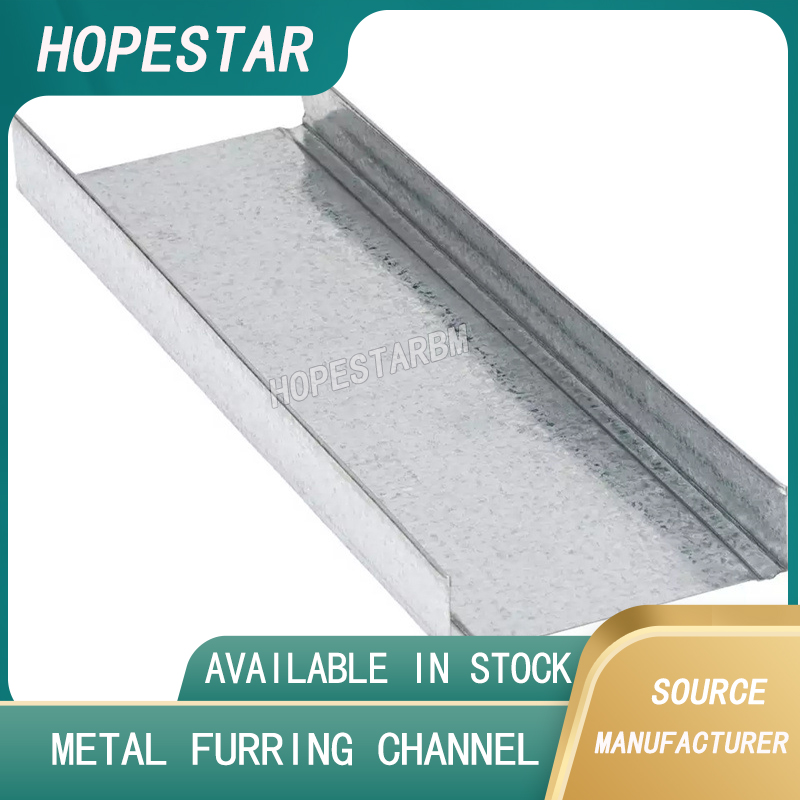
Why Aluminum Hat Channel is Essential for Modern Construction

In modern construction, achieving precise and durable wall and ceiling systems requires reliable materials that combine strength, versatility, and ease of installation. One such material is the aluminum hat channel, a lightweight yet strong metal profile used extensively in both commercial and residential projects. Understanding its benefits, applications, and installation methods can help contractors and designers make informed decisions for high-quality construction outcomes.
What is an Aluminum Hat Channel?
An aluminum hat channel is a type of metal profile shaped like a hat or inverted “U,” designed to provide support for wall and ceiling assemblies. It is commonly used in drywall installations, suspended ceilings, and cladding systems. Its unique design allows it to span across studs or joists, providing a stable framework for attaching panels while allowing space for insulation, wiring, or acoustic materials.
Benefits of Using Aluminum Hat Channel
-
Lightweight and Durable: Made from aluminum, these channels are corrosion-resistant, lightweight, and strong, making them easier to handle and install compared to steel alternatives.
-
Moisture and Fire Resistant: Aluminum does not rust and withstands moisture, making it suitable for humid areas. It also contributes to fire safety by providing a stable, non-combustible support structure.
-
Versatility: Aluminum hat channels are used in various applications including suspended ceilings, wall furring, exterior cladding, and soundproofing systems. Their adaptability makes them ideal for both commercial and residential projects.
-
Ease of Installation: The design allows for easy attachment to studs, joists, or other structural supports using screws, rivets, or clips. This reduces labor time and ensures precise alignment of panels.
Aluminum Hat Channel Sizes and Selection
Selecting the right aluminum hat channel size is essential for optimal performance. Standard widths typically range from 1 inch to 3 inches (25 mm to 75 mm), and lengths are commonly available in 8-foot to 12-foot sections (2.4 m to 3.6 m). The thickness of the aluminum affects load-bearing capacity, so it is important to choose the appropriate gauge based on the weight of the materials being attached and the span between supports. Some channels also feature perforations for easier installation and improved integration with insulation or acoustic systems.
Installation Tips for Aluminum Hat Channel
Proper installation of an aluminum hat channel ensures long-lasting stability and professional finishes. Begin by marking the layout on the wall or ceiling. Attach the channels to studs, joists, or blocking using screws or rivets, making sure they are level and evenly spaced. Once the channels are in place, panels such as drywall, wood, or cladding can be secured directly to the framework. For suspended ceilings, the hat channel can support furring and hangers while providing a gap for insulation or wiring. Proper installation minimizes sagging, misalignment, and structural weaknesses.
Applications of Aluminum Hat Channel
Aluminum hat channels are widely used in modern architecture and construction. They are essential in suspended ceilings, wall furring, exterior siding, and soundproofing projects. Their resistance to corrosion and light weight makes them ideal for humid or coastal environments. Architects and engineers also utilize aluminum hat channels in creative ceiling and wall designs where precision, strength, and aesthetic appeal are crucial.
Conclusion
The aluminum hat channel is a versatile and essential component for modern construction projects. It offers durability, corrosion resistance, and ease of installation, making it a preferred choice for walls, ceilings, and cladding systems. By selecting the right size and properly installing the channels, contractors and designers can ensure strong, level, and long-lasting structures. For anyone seeking reliable and efficient support systems in construction, aluminum hat channels provide both practicality and performance.
Essential Guide to Suspended Ceiling Accessories for Modern Interiors
Enhancing Wall and Ceiling Installations with Gypsum Furring Channel
Related Article