
What material is the light steel keel made of
2024-04-18
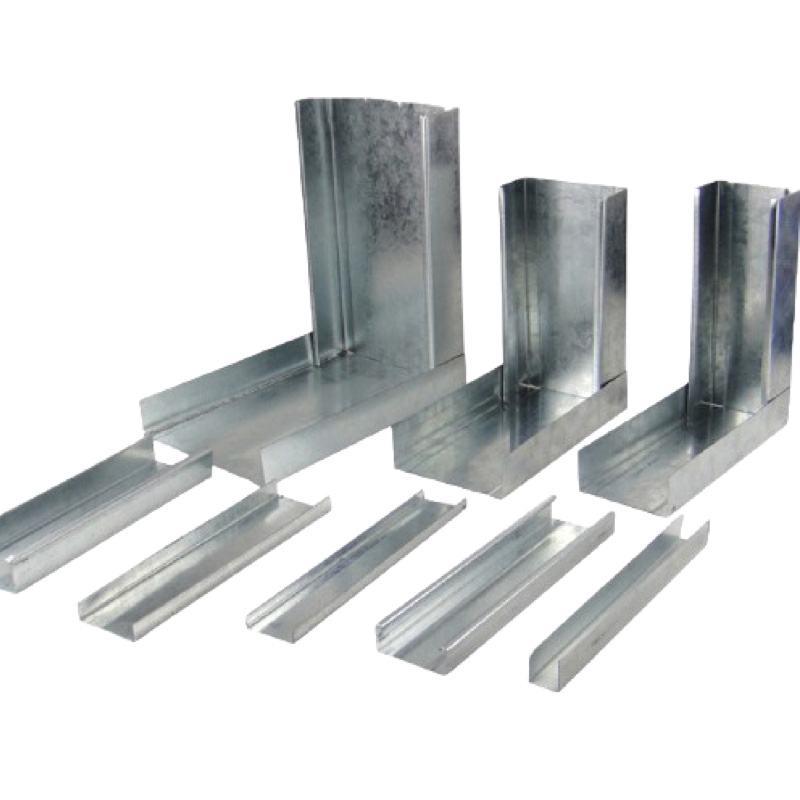
Light steel keel, as an important building material, has been widely used in the construction industry in recent years. So, what material is the light steel keel made of? This article will provide you with a detailed introduction to the manufacturing materials and characteristics of light steel keel.
Light steel keel is mainly made of high-quality low-carbon steel as raw material and processed through cold bending process. Low carbon steel has excellent plasticity and toughness, making light steel keel have good seismic performance. Meanwhile, low-carbon steel has high strength and can withstand large loads, ensuring the stability of light steel keel during use.
In the processing of light steel keel, in addition to low-carbon steel, some auxiliary materials are also needed, such as galvanized layer, fireproof coating, etc. Galvanized layer can effectively prevent corrosion of light steel keel during use, thereby extending its service life. Fireproof coatings can improve the fire resistance of light steel keel and ensure the safety of buildings in case of fire.
The production process of light steel keel includes multiple processes, such as material selection, cutting, punching, bending, welding, galvanizing, etc. Firstly, high-quality low-carbon steel raw materials are selected and processed into the desired shape and size through processes such as cutting and punching. Then, through processes such as bending and welding, the various components are connected together to form a complete light steel keel structure. Finally, the light steel keel is galvanized to improve its anti-corrosion performance.
Light steel keel has various advantages, such as light weight, high strength, good seismic performance, and convenient construction. Compared with traditional wooden keel, light steel keel has higher load-bearing capacity and stability, which can meet the material performance requirements of modern architecture. In addition, light steel keel also has good fire and corrosion resistance performance, which can ensure the safety of the building.
In the construction industry, light steel keel is widely used in suspended ceilings, partitions, walls and other parts. In ceiling engineering, light steel keel can provide strong support, making the ceiling more flat and beautiful. In partition and wall engineering, light steel keel can effectively separate spaces and improve the sound insulation and thermal insulation performance of buildings. Meanwhile, the light steel keel is also easy to install and maintain, reducing construction costs and time.
In summary, light steel keel, as a high-quality building material, has been widely used in the construction industry due to its unique manufacturing materials, craftsmanship, and performance. With the continuous progress of technology and the increasing demand for building quality, light steel keel will continue to play an important role in the construction industry and contribute to the development of modern architecture.
Light steel keel is mainly made of high-quality low-carbon steel as raw material and processed through cold bending process. Low carbon steel has excellent plasticity and toughness, making light steel keel have good seismic performance. Meanwhile, low-carbon steel has high strength and can withstand large loads, ensuring the stability of light steel keel during use.
In the processing of light steel keel, in addition to low-carbon steel, some auxiliary materials are also needed, such as galvanized layer, fireproof coating, etc. Galvanized layer can effectively prevent corrosion of light steel keel during use, thereby extending its service life. Fireproof coatings can improve the fire resistance of light steel keel and ensure the safety of buildings in case of fire.
The production process of light steel keel includes multiple processes, such as material selection, cutting, punching, bending, welding, galvanizing, etc. Firstly, high-quality low-carbon steel raw materials are selected and processed into the desired shape and size through processes such as cutting and punching. Then, through processes such as bending and welding, the various components are connected together to form a complete light steel keel structure. Finally, the light steel keel is galvanized to improve its anti-corrosion performance.
Light steel keel has various advantages, such as light weight, high strength, good seismic performance, and convenient construction. Compared with traditional wooden keel, light steel keel has higher load-bearing capacity and stability, which can meet the material performance requirements of modern architecture. In addition, light steel keel also has good fire and corrosion resistance performance, which can ensure the safety of the building.
In the construction industry, light steel keel is widely used in suspended ceilings, partitions, walls and other parts. In ceiling engineering, light steel keel can provide strong support, making the ceiling more flat and beautiful. In partition and wall engineering, light steel keel can effectively separate spaces and improve the sound insulation and thermal insulation performance of buildings. Meanwhile, the light steel keel is also easy to install and maintain, reducing construction costs and time.
In summary, light steel keel, as a high-quality building material, has been widely used in the construction industry due to its unique manufacturing materials, craftsmanship, and performance. With the continuous progress of technology and the increasing demand for building quality, light steel keel will continue to play an important role in the construction industry and contribute to the development of modern architecture.
The purpose of dry wall corner trims
Construction process of light steel keel partition wall
Related Article

Ceiling wall angle, also known as perimeter angle or L-angle, is an indispensable L-shaped metal profile for suspended drywall ceiling systems. Roll-formed from cold-rolled galvanized steel, ceiling wall angle is fixed along the wall perimeter to support the ends of main channels and furring channels,
Ceiling Wall Angle – Galvanized L-Shaped Perimeter Trim for Suspended Drywall Ceilings
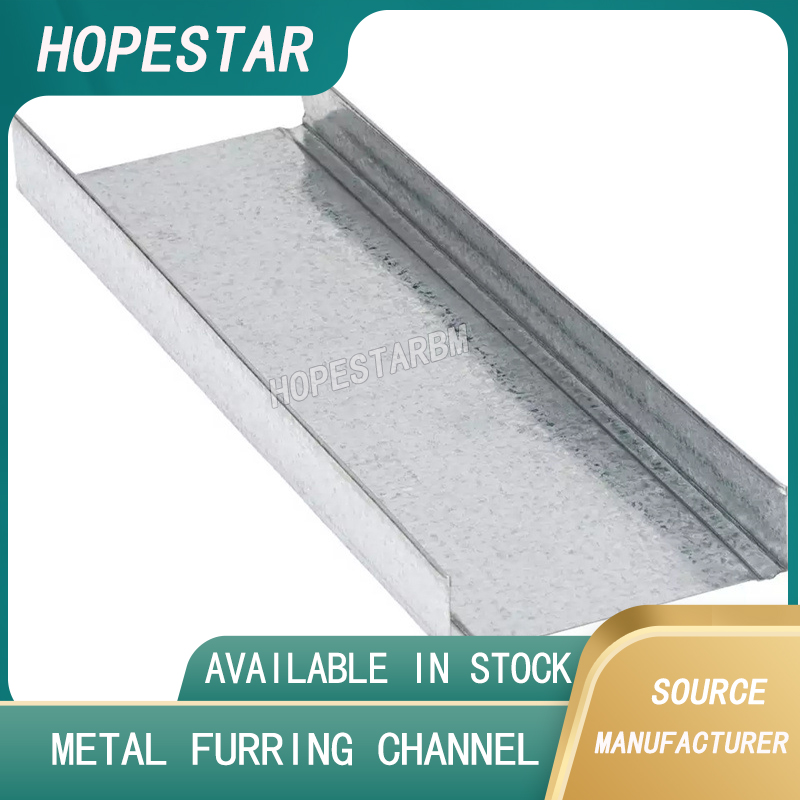
Galvanized steel profiles are the foundational metal framing components widely used in modern interior construction. Roll-formed from cold-rolled steel coated with protective zinc layer, galvanized steel profiles cover a full range of shapes including C studs, U tracks, omega channels,
Galvanized Steel Profiles – Reliable Cold Rolled Framing for Drywall Walls and Ceilings

Metal furring channel for ceiling is a vital secondary framing component widely used in suspended ceiling and drywall ceiling systems. Roll-formed from cold-rolled galvanized steel, this lightweight metal profile works together with main channels, hangers and wall angles to create a level,
Metal Furring Channel for Ceiling – Galvanized Secondary Framing for Suspended Drywall Ceilings

Metal omega channel, also widely called omega furring channel or hat channel, is an indispensable secondary metal framing profile for modern suspended ceilings and drywall wall furring systems. Named after its distinctive Ω shape, this profile is roll-formed from cold-rolled galvanized steel
Metal Omega Channel – Galvanized Omega Furring Channel for Drywall Ceiling and Wall Framing