
What is the standard thickness of the partition wall with light steel keel
2024-06-21
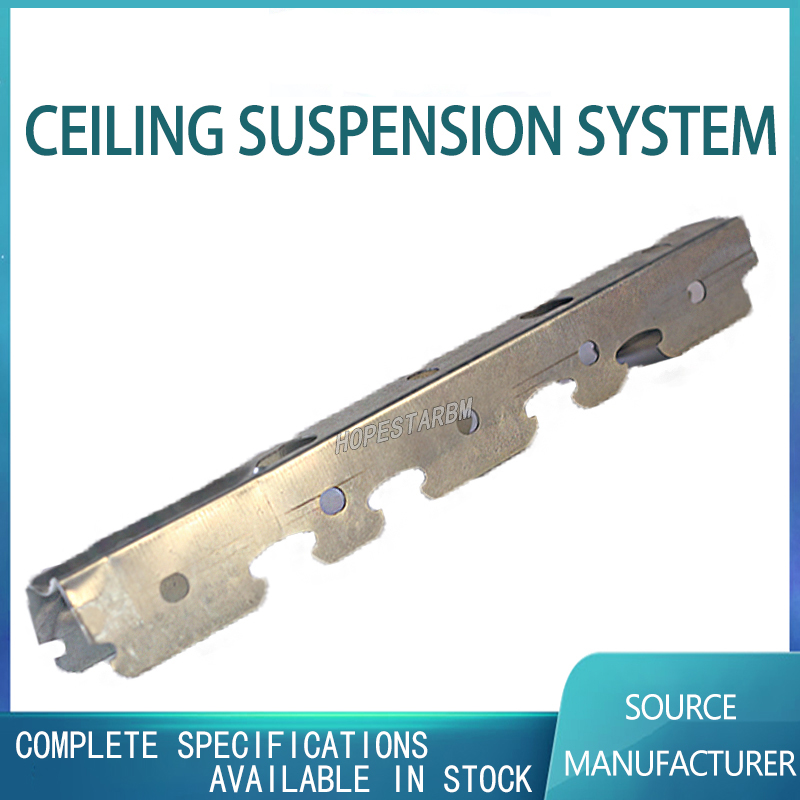
The standard thickness of partition walls with light steel keel is a complex issue involving multiple aspects such as architectural design, material science, and construction technology. The determination of its standard thickness not only needs to consider key factors such as the load-bearing capacity, sound insulation effect, and fire resistance of the wall, but also needs to be comprehensively considered in conjunction with specific building requirements and usage scenarios.
Firstly, as the main skeleton material of partition walls, the specifications and thickness of light steel keel have a significant impact on the overall performance of the wall. Generally speaking, there are various specifications of light steel keel, such as 75mm, 100mm, etc., while the thickness is commonly 0.3mm, 0.6mm, 1.2mm, etc. The selection of these specifications and thicknesses will directly affect the load-bearing capacity and stability of the wall.
Secondly, the thickness of the partition wall also needs to consider the thickness of the decorative materials used, such as gypsum boards. Gypsum board, as a common decorative material, usually has a thickness of 9.5mm, 12mm, 15mm, and other specifications. The thickness of gypsum board will directly affect the sound insulation and fire resistance performance of the wall.
In addition, construction technology and the thickness of the completed surface of the wall are also important factors in determining the standard thickness of light steel keel partition walls. During the construction process, factors such as the flatness, verticality, and joint treatment of the wall need to be considered, which will affect the final thickness of the wall. At the same time, the thickness of the completed surface of the wall may also vary according to specific needs. For example, the recommended thickness of the completed surface of the wall supporting the card base is between 35mm and 80mm, while the thickness of the completed surface of the light steel keel wall may be greater than or equal to 300mm.
Taking into account the above factors, the standard thickness of light steel keel partition walls does not have a fixed value, but needs to be determined based on specific building requirements and usage scenarios. In practical applications, designers and construction personnel need to choose appropriate specifications and thickness of light steel keel, as well as suitable decorative materials such as gypsum board, based on the specific situation of the project, and strictly follow the construction process to ensure that the performance of the wall meets the design requirements.
In addition, it should be noted that with the continuous development of building technology and the emergence of new materials, the construction and performance of light steel keel partition walls are also constantly improving and optimizing. Therefore, in practical applications, we also need to closely monitor industry trends and technological developments, timely update and improve our design and construction methods to adapt to constantly changing market and user demands.
In summary, the standard thickness of light steel keel partition walls is an issue that requires comprehensive consideration of multiple factors. Only by fully understanding the specific requirements and usage scenarios of the project, combined with the performance characteristics of materials such as light steel keel and gypsum board, as well as the requirements of construction technology, can a reasonable wall thickness be determined, ensuring that the performance of the wall meets the design requirements and meets the practical needs of users.
Firstly, as the main skeleton material of partition walls, the specifications and thickness of light steel keel have a significant impact on the overall performance of the wall. Generally speaking, there are various specifications of light steel keel, such as 75mm, 100mm, etc., while the thickness is commonly 0.3mm, 0.6mm, 1.2mm, etc. The selection of these specifications and thicknesses will directly affect the load-bearing capacity and stability of the wall.
Secondly, the thickness of the partition wall also needs to consider the thickness of the decorative materials used, such as gypsum boards. Gypsum board, as a common decorative material, usually has a thickness of 9.5mm, 12mm, 15mm, and other specifications. The thickness of gypsum board will directly affect the sound insulation and fire resistance performance of the wall.
In addition, construction technology and the thickness of the completed surface of the wall are also important factors in determining the standard thickness of light steel keel partition walls. During the construction process, factors such as the flatness, verticality, and joint treatment of the wall need to be considered, which will affect the final thickness of the wall. At the same time, the thickness of the completed surface of the wall may also vary according to specific needs. For example, the recommended thickness of the completed surface of the wall supporting the card base is between 35mm and 80mm, while the thickness of the completed surface of the light steel keel wall may be greater than or equal to 300mm.
Taking into account the above factors, the standard thickness of light steel keel partition walls does not have a fixed value, but needs to be determined based on specific building requirements and usage scenarios. In practical applications, designers and construction personnel need to choose appropriate specifications and thickness of light steel keel, as well as suitable decorative materials such as gypsum board, based on the specific situation of the project, and strictly follow the construction process to ensure that the performance of the wall meets the design requirements.
In addition, it should be noted that with the continuous development of building technology and the emergence of new materials, the construction and performance of light steel keel partition walls are also constantly improving and optimizing. Therefore, in practical applications, we also need to closely monitor industry trends and technological developments, timely update and improve our design and construction methods to adapt to constantly changing market and user demands.
In summary, the standard thickness of light steel keel partition walls is an issue that requires comprehensive consideration of multiple factors. Only by fully understanding the specific requirements and usage scenarios of the project, combined with the performance characteristics of materials such as light steel keel and gypsum board, as well as the requirements of construction technology, can a reasonable wall thickness be determined, ensuring that the performance of the wall meets the design requirements and meets the practical needs of users.
Is the light steel keel partition wall strong in firmness?
Where are the shock-absorbing light steel keels used?
Related Article

Ceiling wall angle, also known as perimeter angle or L-angle, is an indispensable L-shaped metal profile for suspended drywall ceiling systems. Roll-formed from cold-rolled galvanized steel, ceiling wall angle is fixed along the wall perimeter to support the ends of main channels and furring channels,
Ceiling Wall Angle – Galvanized L-Shaped Perimeter Trim for Suspended Drywall Ceilings
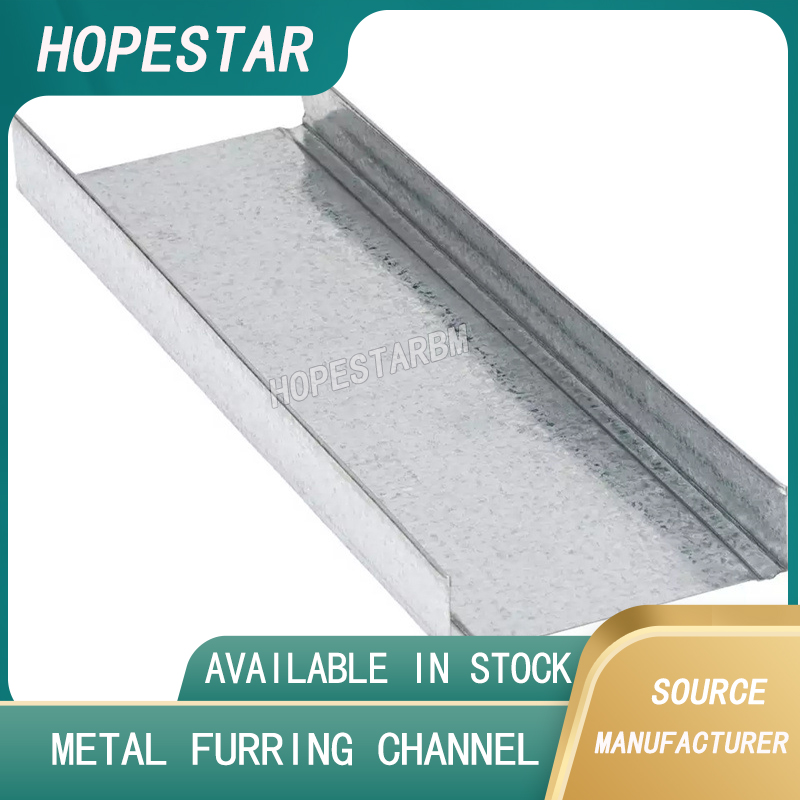
Galvanized steel profiles are the foundational metal framing components widely used in modern interior construction. Roll-formed from cold-rolled steel coated with protective zinc layer, galvanized steel profiles cover a full range of shapes including C studs, U tracks, omega channels,
Galvanized Steel Profiles – Reliable Cold Rolled Framing for Drywall Walls and Ceilings

Metal furring channel for ceiling is a vital secondary framing component widely used in suspended ceiling and drywall ceiling systems. Roll-formed from cold-rolled galvanized steel, this lightweight metal profile works together with main channels, hangers and wall angles to create a level,
Metal Furring Channel for Ceiling – Galvanized Secondary Framing for Suspended Drywall Ceilings

Metal omega channel, also widely called omega furring channel or hat channel, is an indispensable secondary metal framing profile for modern suspended ceilings and drywall wall furring systems. Named after its distinctive Ω shape, this profile is roll-formed from cold-rolled galvanized steel
Metal Omega Channel – Galvanized Omega Furring Channel for Drywall Ceiling and Wall Framing