
What is the standard size of galvanized keel
2024-06-27
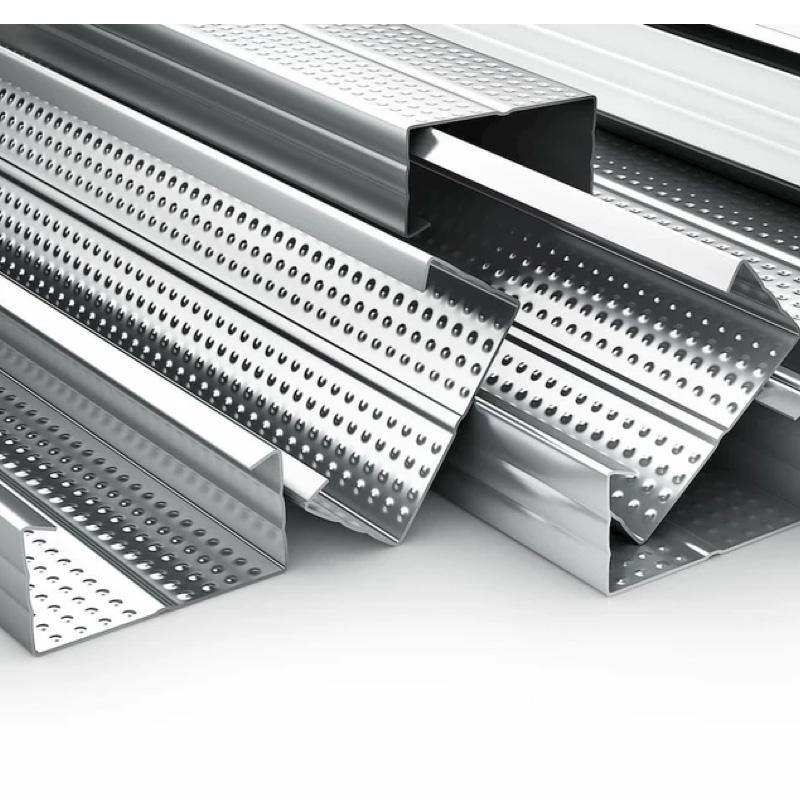
Galvanized keel, as an indispensable part of modern building decoration, its conventional size selection is crucial to ensure the stability and aesthetics of the project. This article will provide a detailed introduction to the conventional dimensions of galvanized keel and explore its selection principles in different application scenarios.
1、 Overview of conventional dimensions of galvanized keel
Galvanized keel, as the name suggests, is a light steel keel with a surface treated with galvanizing. This treatment method not only enhances the anti-corrosion performance of the keel, but also improves its service life. The size specifications of galvanized keel usually include four aspects: width, height, thickness, and length.
1. Width: The common widths of galvanized keel include 50mm, 75mm, 100mm, etc. These different widths of keel can be selected according to actual decoration needs. For small partition walls or ceilings, choosing a keel with a smaller width can meet the requirements; For large-area partition walls or ceilings, it is necessary to choose a wider keel to ensure its stability.
2. Height: The height specifications of galvanized keel generally include 30mm, 38mm, 45mm, etc. The choice of height mainly depends on the design requirements of the ceiling or partition wall. In ceiling installation, it is usually necessary to select the appropriate height of the keel based on the height and shape of the ceiling; In the installation of partition walls, the height of the keel needs to be selected based on the actual height of the wall.
3. Thickness: The thickness of galvanized keel is a key factor in its load-bearing capacity and service life. Common galvanized keel thicknesses include 0.4mm, 0.5mm, 0.6mm, etc. Thin keel is suitable for light load decoration, such as home decoration, etc; And thicker keel can withstand greater loads, suitable for commercial decoration or partition walls in public places.
4. Length: The length specifications of galvanized keel usually include 2.7m, 3.0m, 3.6m, etc. In practical engineering, the keel can be cut and installed according to specific needs. It is worth noting that in order to ensure the stability and aesthetics of the partition wall, the cutting and installation of the keel should follow certain norms and standards.
2、 Principles for selecting the size of galvanized keel
When selecting the size of galvanized keel, the following principles should be followed:
1. Choose according to decoration needs: Different decoration needs have different requirements for the size of galvanized keel. When selecting the size of the keel, it is necessary to fully consider the specific needs of the decoration, such as the height of the ceiling, the area of the partition wall, and the load.
2. Ensure stability: The stability of galvanized keel is a crucial factor in decoration engineering. When selecting the size of the keel, it is necessary to ensure that it can withstand the corresponding load to ensure the stability and safety of the decoration project.
3. Consider aesthetics: As part of the decoration project, the aesthetics of galvanized keel also need to be considered. When choosing the size of the keel, it is necessary to fully consider its coordination with the decoration style and aesthetics.
4. Compliance with regulations and standards: When selecting and installing galvanized keel, it is necessary to follow relevant regulations and standards to ensure the quality and safety of the decoration project.
3、 Selection of galvanized keel in different application scenarios
1. Home decoration: In home decoration, due to the small decoration area and light load, galvanized keel with smaller width and thinner thickness is usually chosen to meet the demand. At the same time, it is necessary to consider the coordination and aesthetics between the keel and the decoration style.
2. Commercial decoration: In commercial decoration, due to the large decoration area and the need to bear a large load, it is necessary to choose galvanized keel with a larger width and thicker thickness to ensure its stability and safety. At the same time, it is necessary to consider the coordination and aesthetics between the keel and the commercial environment.
3. Public place decoration: In public place decoration, such as hospitals, schools, etc., due to the need to withstand large pedestrian flow and loads, it is necessary to choose more stable and durable galvanized keel. At the same time, it is necessary to consider factors such as the safety and hygiene of the keel.
4、 Conclusion
Galvanized keel, as an indispensable part of modern building decoration, its conventional size selection is crucial to ensure the stability and aesthetics of the project. When selecting the size of galvanized keel, it is necessary to fully consider factors such as specific decoration requirements, stability, aesthetics, and relevant specifications and standards. By selecting the appropriate size specifications of galvanized keel and following relevant specifications and standards, the quality and safety of decoration projects can be ensured.
1、 Overview of conventional dimensions of galvanized keel
Galvanized keel, as the name suggests, is a light steel keel with a surface treated with galvanizing. This treatment method not only enhances the anti-corrosion performance of the keel, but also improves its service life. The size specifications of galvanized keel usually include four aspects: width, height, thickness, and length.
1. Width: The common widths of galvanized keel include 50mm, 75mm, 100mm, etc. These different widths of keel can be selected according to actual decoration needs. For small partition walls or ceilings, choosing a keel with a smaller width can meet the requirements; For large-area partition walls or ceilings, it is necessary to choose a wider keel to ensure its stability.
2. Height: The height specifications of galvanized keel generally include 30mm, 38mm, 45mm, etc. The choice of height mainly depends on the design requirements of the ceiling or partition wall. In ceiling installation, it is usually necessary to select the appropriate height of the keel based on the height and shape of the ceiling; In the installation of partition walls, the height of the keel needs to be selected based on the actual height of the wall.
3. Thickness: The thickness of galvanized keel is a key factor in its load-bearing capacity and service life. Common galvanized keel thicknesses include 0.4mm, 0.5mm, 0.6mm, etc. Thin keel is suitable for light load decoration, such as home decoration, etc; And thicker keel can withstand greater loads, suitable for commercial decoration or partition walls in public places.
4. Length: The length specifications of galvanized keel usually include 2.7m, 3.0m, 3.6m, etc. In practical engineering, the keel can be cut and installed according to specific needs. It is worth noting that in order to ensure the stability and aesthetics of the partition wall, the cutting and installation of the keel should follow certain norms and standards.
2、 Principles for selecting the size of galvanized keel
When selecting the size of galvanized keel, the following principles should be followed:
1. Choose according to decoration needs: Different decoration needs have different requirements for the size of galvanized keel. When selecting the size of the keel, it is necessary to fully consider the specific needs of the decoration, such as the height of the ceiling, the area of the partition wall, and the load.
2. Ensure stability: The stability of galvanized keel is a crucial factor in decoration engineering. When selecting the size of the keel, it is necessary to ensure that it can withstand the corresponding load to ensure the stability and safety of the decoration project.
3. Consider aesthetics: As part of the decoration project, the aesthetics of galvanized keel also need to be considered. When choosing the size of the keel, it is necessary to fully consider its coordination with the decoration style and aesthetics.
4. Compliance with regulations and standards: When selecting and installing galvanized keel, it is necessary to follow relevant regulations and standards to ensure the quality and safety of the decoration project.
3、 Selection of galvanized keel in different application scenarios
1. Home decoration: In home decoration, due to the small decoration area and light load, galvanized keel with smaller width and thinner thickness is usually chosen to meet the demand. At the same time, it is necessary to consider the coordination and aesthetics between the keel and the decoration style.
2. Commercial decoration: In commercial decoration, due to the large decoration area and the need to bear a large load, it is necessary to choose galvanized keel with a larger width and thicker thickness to ensure its stability and safety. At the same time, it is necessary to consider the coordination and aesthetics between the keel and the commercial environment.
3. Public place decoration: In public place decoration, such as hospitals, schools, etc., due to the need to withstand large pedestrian flow and loads, it is necessary to choose more stable and durable galvanized keel. At the same time, it is necessary to consider factors such as the safety and hygiene of the keel.
4、 Conclusion
Galvanized keel, as an indispensable part of modern building decoration, its conventional size selection is crucial to ensure the stability and aesthetics of the project. When selecting the size of galvanized keel, it is necessary to fully consider factors such as specific decoration requirements, stability, aesthetics, and relevant specifications and standards. By selecting the appropriate size specifications of galvanized keel and following relevant specifications and standards, the quality and safety of decoration projects can be ensured.
What is the weight of the C-shaped keel?c strut channel
High Quality Cold Rolled Drywall Metal Angle Bar
Related Article

Ceiling wall angle, also known as perimeter angle or L-angle, is an indispensable L-shaped metal profile for suspended drywall ceiling systems. Roll-formed from cold-rolled galvanized steel, ceiling wall angle is fixed along the wall perimeter to support the ends of main channels and furring channels,
Ceiling Wall Angle – Galvanized L-Shaped Perimeter Trim for Suspended Drywall Ceilings
Galvanized steel profiles are the foundational metal framing components widely used in modern interior construction. Roll-formed from cold-rolled steel coated with protective zinc layer, galvanized steel profiles cover a full range of shapes including C studs, U tracks, omega channels,
Galvanized Steel Profiles – Reliable Cold Rolled Framing for Drywall Walls and Ceilings

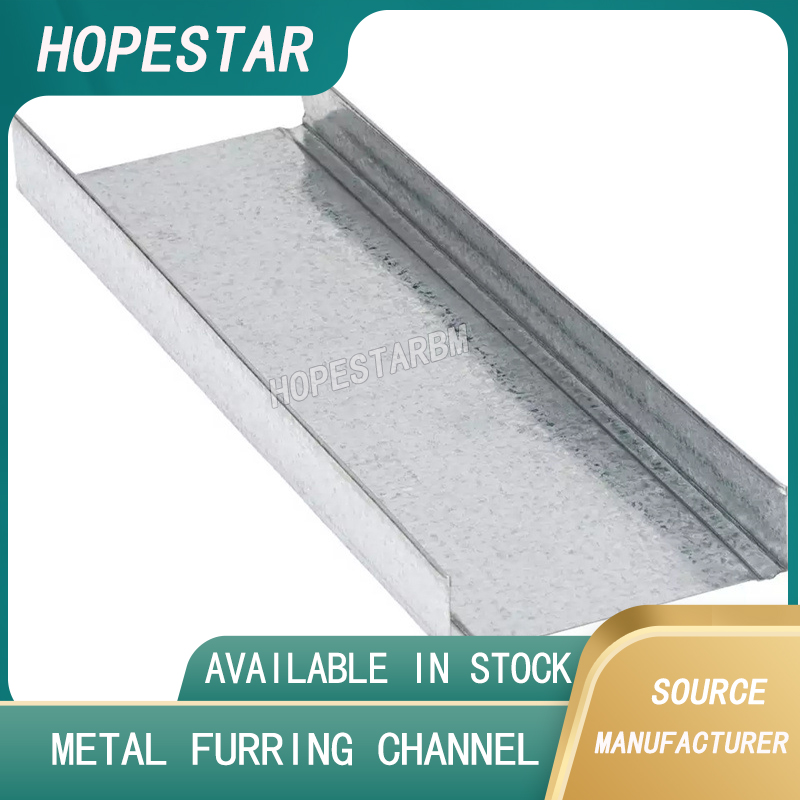
Metal furring channel for ceiling is a vital secondary framing component widely used in suspended ceiling and drywall ceiling systems. Roll-formed from cold-rolled galvanized steel, this lightweight metal profile works together with main channels, hangers and wall angles to create a level,
Metal Furring Channel for Ceiling – Galvanized Secondary Framing for Suspended Drywall Ceilings

Metal omega channel, also widely called omega furring channel or hat channel, is an indispensable secondary metal framing profile for modern suspended ceilings and drywall wall furring systems. Named after its distinctive Ω shape, this profile is roll-formed from cold-rolled galvanized steel
Metal Omega Channel – Galvanized Omega Furring Channel for Drywall Ceiling and Wall Framing