
What is the difference between aluminum keel and galvanized keel
2025-05-14
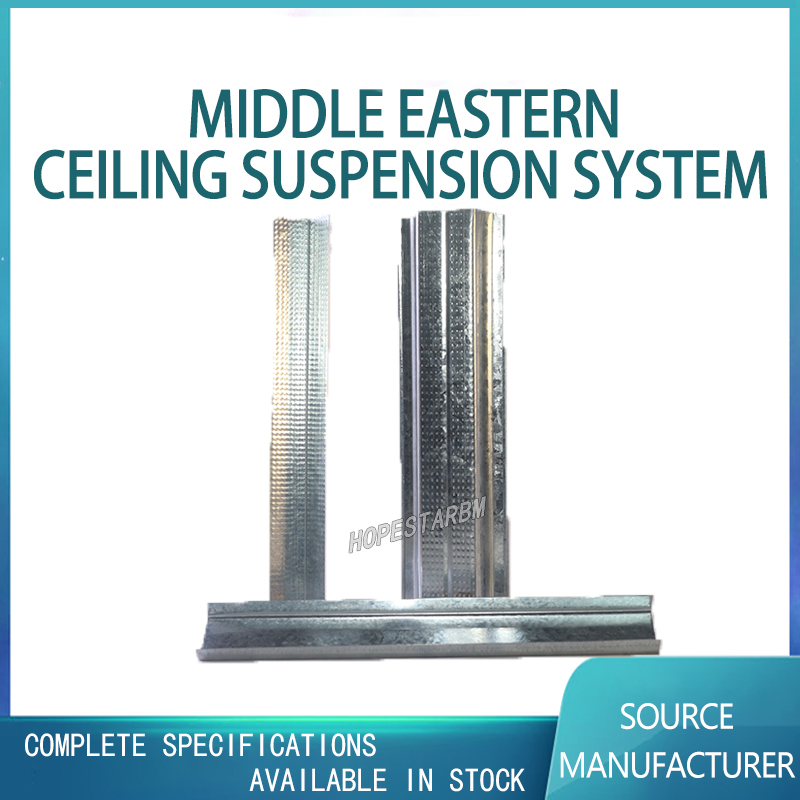
The difference between aluminum keel and galvanized keel mainly lies in material, performance, corrosion resistance, weight, price, and applicable scenarios.
1. Different materials
The aluminum keel is made of aluminum alloy material, aluminum keel and galvanized keel,usually 6063 and other models, which has good oxidation resistance. Galvanized keel is made of carbon steel as the substrate, and its surface is treated with hot-dip galvanizing or electroplating to enhance its rust prevention ability.
2. Anti corrosion performance
Aluminum keel naturally has strong anti-corrosion ability and is suitable for humid, coastal or chemically corrosive environments. Although galvanized keel has a rust proof layer on the surface, once the galvanized layer is damaged, it is prone to rusting and is suitable for relatively dry and well ventilated environments.
3. Weight difference
Aluminum has a lower density than steel, making aluminum keel lighter and easier to transport and construct. Galvanized keel is heavier and more sturdy due to its internal steel material, but transportation and construction are relatively laborious.
4. In terms of strength
The structural strength of galvanized keel is generally higher than that of aluminum keel, making it more suitable for partition walls or ceiling systems with load-bearing requirements. Although aluminum keel has slightly lower strength, it is completely sufficient in general non load bearing situations, especially suitable for lightweight decorative needs.
5. Appearance and Decorative Features
Aluminum keel has a smoother surface and is easy to undergo oxidation, electrophoresis, spraying and other treatments, aluminum keel and galvanized keel,resulting in a higher aesthetic appeal. It is widely used in high-end decoration or open decoration scenes. Galvanized keel is commonly used for structural layers and is usually hidden inside.
6. Cost comparison
Aluminum keel is relatively expensive, but it has good anti-corrosion performance and a long service life, making it suitable for long-term investment and use; Galvanized keel is relatively inexpensive and is an economical choice for conventional ceiling and partition projects.
7. Application Fields
Aluminum keel is commonly used in areas that require moisture and corrosion resistance, such as swimming pools, bathrooms, aluminum keel and galvanized keel,coastal buildings, etc; Galvanized keel is widely used in the interior ceiling and partition systems of ordinary residential buildings, offices, shopping malls, and other buildings.
In summary, aluminum keel is more suitable for occasions that require anti-corrosion, lightweight, and aesthetics, while galvanized keel is more suitable for projects that focus on structural strength and cost control. You can choose the appropriate type of keel based on the specific usage environment and budget.
1. Different materials
The aluminum keel is made of aluminum alloy material, aluminum keel and galvanized keel,usually 6063 and other models, which has good oxidation resistance. Galvanized keel is made of carbon steel as the substrate, and its surface is treated with hot-dip galvanizing or electroplating to enhance its rust prevention ability.
2. Anti corrosion performance
Aluminum keel naturally has strong anti-corrosion ability and is suitable for humid, coastal or chemically corrosive environments. Although galvanized keel has a rust proof layer on the surface, once the galvanized layer is damaged, it is prone to rusting and is suitable for relatively dry and well ventilated environments.
3. Weight difference
Aluminum has a lower density than steel, making aluminum keel lighter and easier to transport and construct. Galvanized keel is heavier and more sturdy due to its internal steel material, but transportation and construction are relatively laborious.
4. In terms of strength
The structural strength of galvanized keel is generally higher than that of aluminum keel, making it more suitable for partition walls or ceiling systems with load-bearing requirements. Although aluminum keel has slightly lower strength, it is completely sufficient in general non load bearing situations, especially suitable for lightweight decorative needs.
5. Appearance and Decorative Features
Aluminum keel has a smoother surface and is easy to undergo oxidation, electrophoresis, spraying and other treatments, aluminum keel and galvanized keel,resulting in a higher aesthetic appeal. It is widely used in high-end decoration or open decoration scenes. Galvanized keel is commonly used for structural layers and is usually hidden inside.
6. Cost comparison
Aluminum keel is relatively expensive, but it has good anti-corrosion performance and a long service life, making it suitable for long-term investment and use; Galvanized keel is relatively inexpensive and is an economical choice for conventional ceiling and partition projects.
7. Application Fields
Aluminum keel is commonly used in areas that require moisture and corrosion resistance, such as swimming pools, bathrooms, aluminum keel and galvanized keel,coastal buildings, etc; Galvanized keel is widely used in the interior ceiling and partition systems of ordinary residential buildings, offices, shopping malls, and other buildings.
In summary, aluminum keel is more suitable for occasions that require anti-corrosion, lightweight, and aesthetics, while galvanized keel is more suitable for projects that focus on structural strength and cost control. You can choose the appropriate type of keel based on the specific usage environment and budget.
How many materials for metal wall corner protection strips ?what are their characteristics?
What are the precautions for building light steel keel villas in summer
Related Article

Ceiling wall angle, also known as perimeter angle or L-angle, is an indispensable L-shaped metal profile for suspended drywall ceiling systems. Roll-formed from cold-rolled galvanized steel, ceiling wall angle is fixed along the wall perimeter to support the ends of main channels and furring channels,
Ceiling Wall Angle – Galvanized L-Shaped Perimeter Trim for Suspended Drywall Ceilings
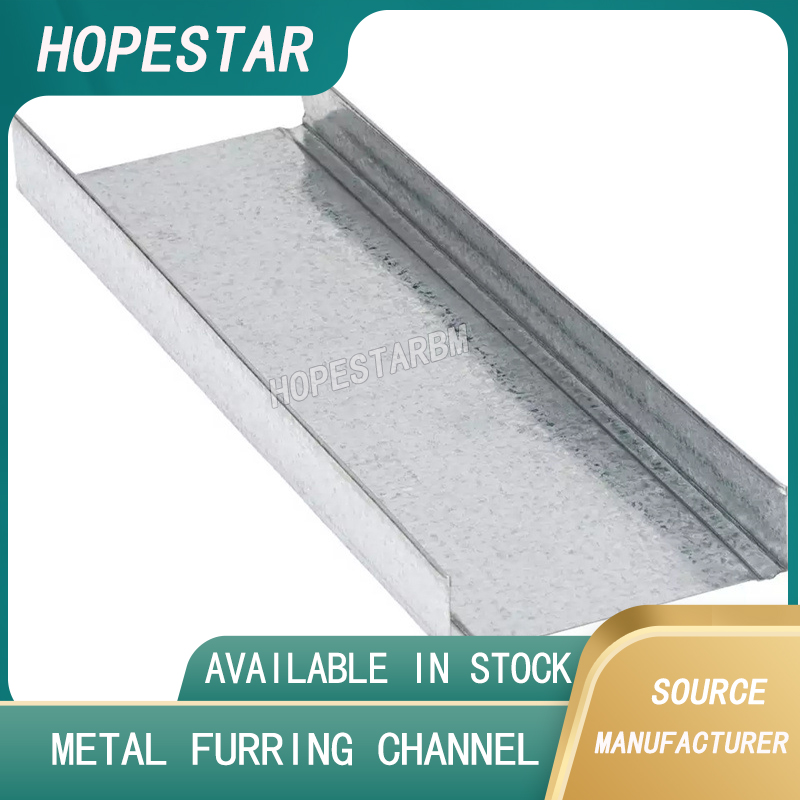
Galvanized steel profiles are the foundational metal framing components widely used in modern interior construction. Roll-formed from cold-rolled steel coated with protective zinc layer, galvanized steel profiles cover a full range of shapes including C studs, U tracks, omega channels,
Galvanized Steel Profiles – Reliable Cold Rolled Framing for Drywall Walls and Ceilings

Metal furring channel for ceiling is a vital secondary framing component widely used in suspended ceiling and drywall ceiling systems. Roll-formed from cold-rolled galvanized steel, this lightweight metal profile works together with main channels, hangers and wall angles to create a level,
Metal Furring Channel for Ceiling – Galvanized Secondary Framing for Suspended Drywall Ceilings

Metal omega channel, also widely called omega furring channel or hat channel, is an indispensable secondary metal framing profile for modern suspended ceilings and drywall wall furring systems. Named after its distinctive Ω shape, this profile is roll-formed from cold-rolled galvanized steel
Metal Omega Channel – Galvanized Omega Furring Channel for Drywall Ceiling and Wall Framing