
What is Ceiling steel
2024-03-21
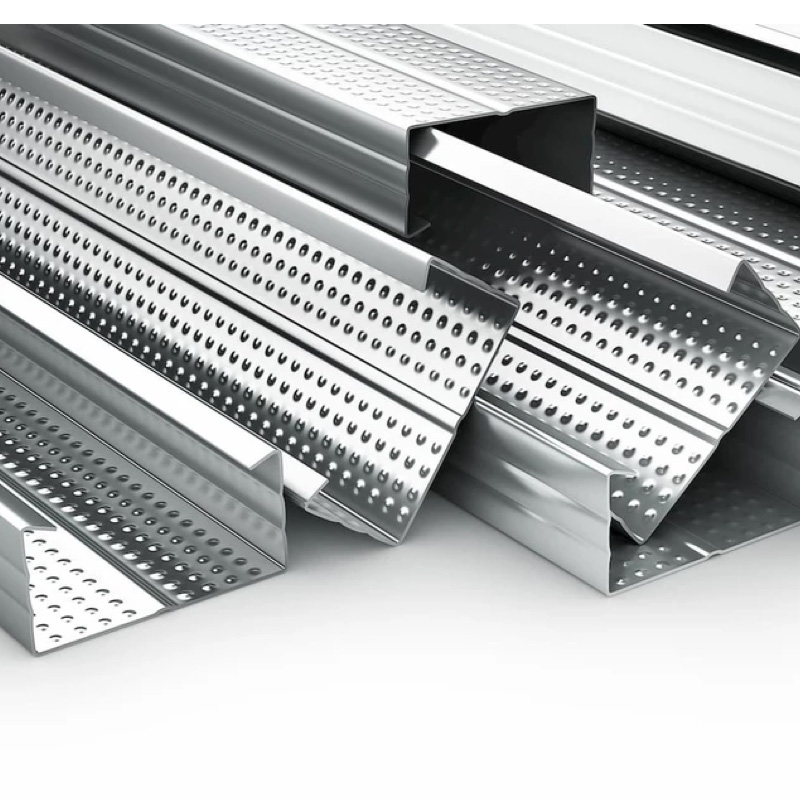
Ceiling steel, also known as ceiling grid or suspended ceiling system, is a type of architectural material commonly used in commercial, industrial, and institutional buildings. It consists of a metal gridwork that suspends a panelized ceiling below the structural ceiling, creating a finished ceiling surface. Ceiling steel is widely used because it offers a number of advantages such as flexibility, durability, ease of installation, and cost-effectiveness.
The ceiling steel system is composed of several components. The main component is the gridwork, which consists of metal runners and cross-tees. These components are suspended from the structural ceiling using wires or rods, creating a stable and secure framework. The panelized ceiling is then attached to the gridwork, covering the space between the structural ceiling and the finished ceiling surface.
Ceiling steel panels are available in a variety of materials, including mineral fiber, metal, and plastic. Mineral fiber panels are the most common type, as they offer good sound absorption and fire resistance. Metal panels, on the other hand, provide a more industrial and modern look, while plastic panels are lightweight and easy to install.
One of the key advantages of ceiling steel is its flexibility. The gridwork system allows for easy installation and removal of ceiling panels, making it convenient to access the space above the ceiling for maintenance or repairs. Additionally, ceiling steel can be customized to fit any space, whether it's a large open office area or a small enclosed room.
Durability is another important benefit of ceiling steel. The metal components are resistant to corrosion and wear, ensuring a long lifespan for the ceiling system. Furthermore, ceiling steel panels are designed to withstand the weight of people and furniture, making them suitable for use in commercial spaces where heavy traffic is expected.
Ease of installation is another key factor that makes ceiling steel popular. The gridwork system can be quickly assembled and suspended from the structural ceiling, and the panels can be easily snapped into place. This reduces labor costs and installation time, making ceiling steel a cost-effective choice for builders and property owners.
In addition to its practical benefits, ceiling steel also contributes to the aesthetic appeal of a space. With a range of panel materials and finishes available, ceiling steel can be customized to match the interior design of any building. It can create a clean and modern look, or it can be used to add visual interest and texture to a space.
Overall, ceiling steel is a versatile and durable material that offers a range of benefits for commercial, industrial, and institutional buildings. Its flexibility, durability, ease of installation, and cost-effectiveness make it a popular choice forbuilders and property owners seeking to create a finished ceiling surface that meets their specific needs and preferences.
The ceiling steel system is composed of several components. The main component is the gridwork, which consists of metal runners and cross-tees. These components are suspended from the structural ceiling using wires or rods, creating a stable and secure framework. The panelized ceiling is then attached to the gridwork, covering the space between the structural ceiling and the finished ceiling surface.
Ceiling steel panels are available in a variety of materials, including mineral fiber, metal, and plastic. Mineral fiber panels are the most common type, as they offer good sound absorption and fire resistance. Metal panels, on the other hand, provide a more industrial and modern look, while plastic panels are lightweight and easy to install.
One of the key advantages of ceiling steel is its flexibility. The gridwork system allows for easy installation and removal of ceiling panels, making it convenient to access the space above the ceiling for maintenance or repairs. Additionally, ceiling steel can be customized to fit any space, whether it's a large open office area or a small enclosed room.
Durability is another important benefit of ceiling steel. The metal components are resistant to corrosion and wear, ensuring a long lifespan for the ceiling system. Furthermore, ceiling steel panels are designed to withstand the weight of people and furniture, making them suitable for use in commercial spaces where heavy traffic is expected.
Ease of installation is another key factor that makes ceiling steel popular. The gridwork system can be quickly assembled and suspended from the structural ceiling, and the panels can be easily snapped into place. This reduces labor costs and installation time, making ceiling steel a cost-effective choice for builders and property owners.
In addition to its practical benefits, ceiling steel also contributes to the aesthetic appeal of a space. With a range of panel materials and finishes available, ceiling steel can be customized to match the interior design of any building. It can create a clean and modern look, or it can be used to add visual interest and texture to a space.
Overall, ceiling steel is a versatile and durable material that offers a range of benefits for commercial, industrial, and institutional buildings. Its flexibility, durability, ease of installation, and cost-effectiveness make it a popular choice forbuilders and property owners seeking to create a finished ceiling surface that meets their specific needs and preferences.
Introduction to the installation steps of light steel keel
Introduction to Types of Ceiling Steel
Related Article

Ceiling wall angle, also known as perimeter angle or L-angle, is an indispensable L-shaped metal profile for suspended drywall ceiling systems. Roll-formed from cold-rolled galvanized steel, ceiling wall angle is fixed along the wall perimeter to support the ends of main channels and furring channels,
Ceiling Wall Angle – Galvanized L-Shaped Perimeter Trim for Suspended Drywall Ceilings
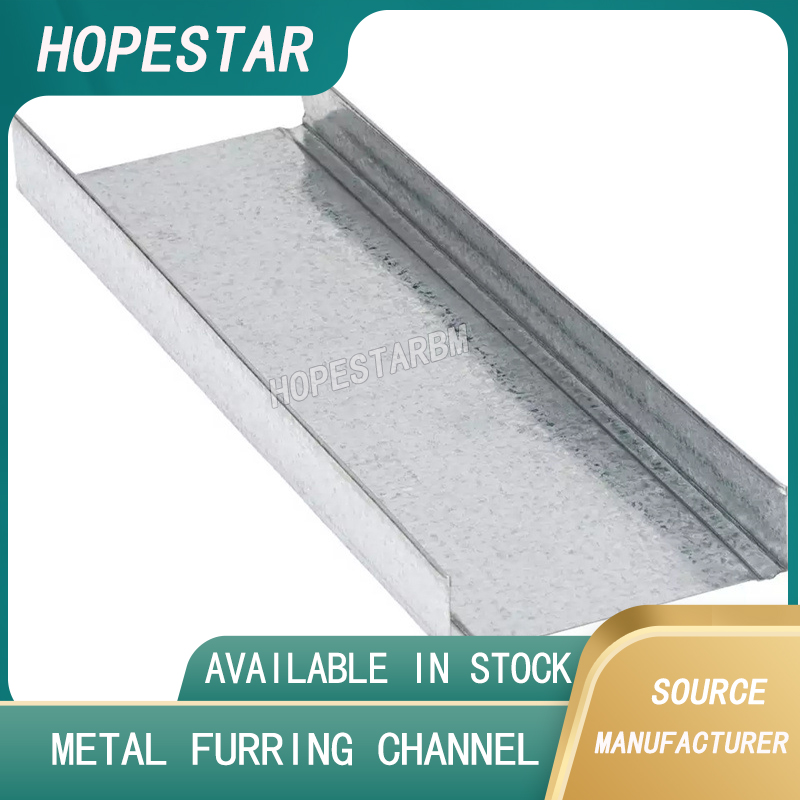
Galvanized steel profiles are the foundational metal framing components widely used in modern interior construction. Roll-formed from cold-rolled steel coated with protective zinc layer, galvanized steel profiles cover a full range of shapes including C studs, U tracks, omega channels,
Galvanized Steel Profiles – Reliable Cold Rolled Framing for Drywall Walls and Ceilings

Metal furring channel for ceiling is a vital secondary framing component widely used in suspended ceiling and drywall ceiling systems. Roll-formed from cold-rolled galvanized steel, this lightweight metal profile works together with main channels, hangers and wall angles to create a level,
Metal Furring Channel for Ceiling – Galvanized Secondary Framing for Suspended Drywall Ceilings

Metal omega channel, also widely called omega furring channel or hat channel, is an indispensable secondary metal framing profile for modern suspended ceilings and drywall wall furring systems. Named after its distinctive Ω shape, this profile is roll-formed from cold-rolled galvanized steel
Metal Omega Channel – Galvanized Omega Furring Channel for Drywall Ceiling and Wall Framing