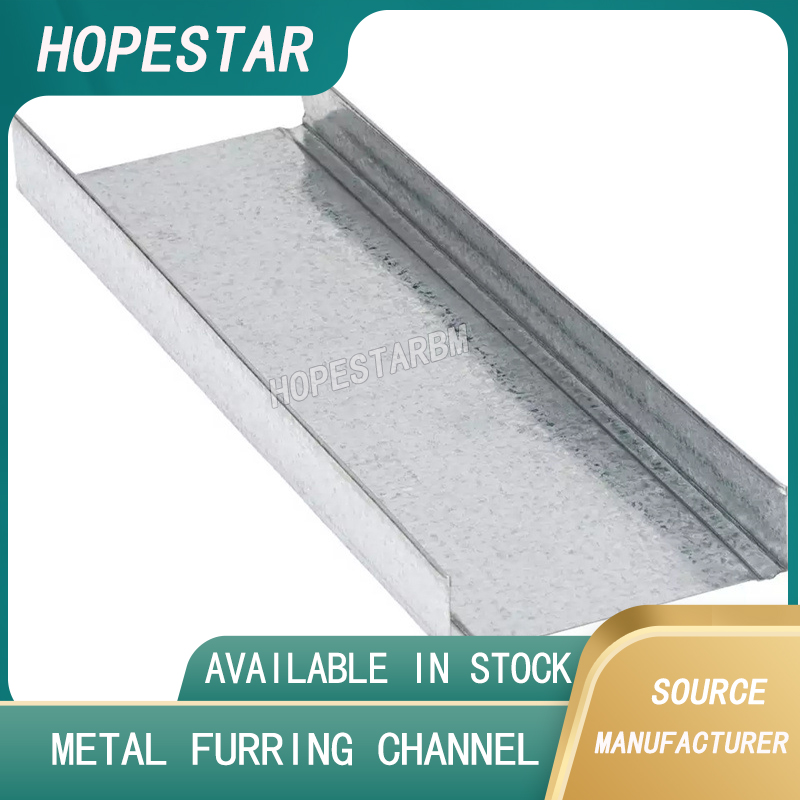
What Is a Steel Stud
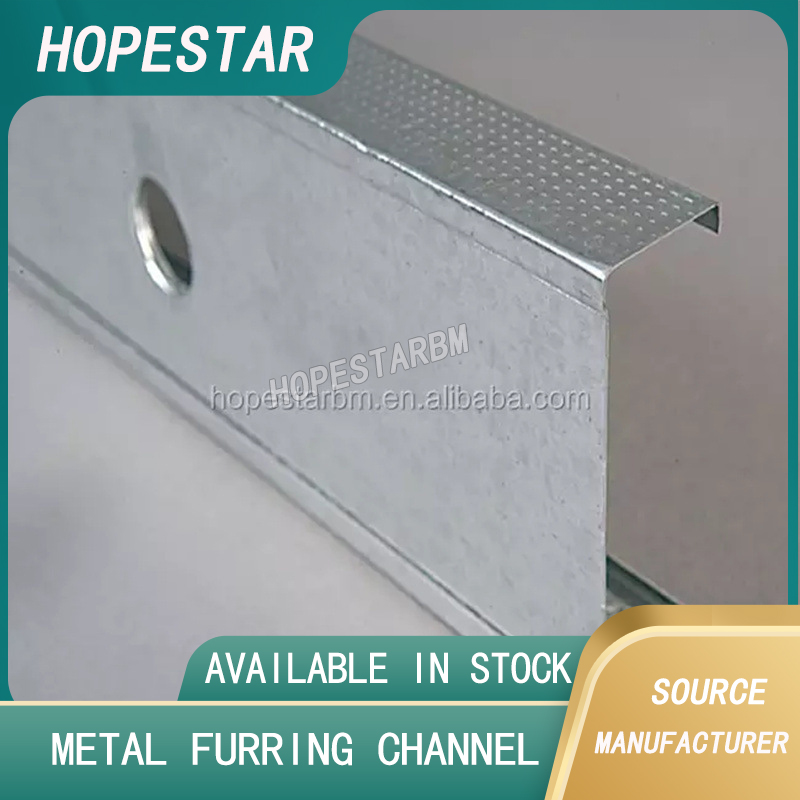
A steel stud is a lightweight, cold-formed metal framing component used to build interior walls, ceilings, and partitions in residential and commercial construction. Made from galvanized steel, steel studs are designed to replace traditional wood studs in many modern building projects. Thanks to their strength, durability, and resistance to fire and moisture, steel studs have become a preferred choice in drywall framing systems.
Understanding the Structure of a Steel Stud
A steel stud typically has a C-shaped profile with a web and two flanges. The web forms the flat center section, while the flanges extend outward to provide rigidity and support. Small lips along the edges add additional strength and help secure drywall panels with screws.
Steel studs are installed vertically and fit into horizontal steel tracks that are anchored to the floor and ceiling. Together, the studs and tracks form a complete metal framing system that supports drywall, insulation, and other finishing materials.
Materials and Sizes
Steel studs are manufactured from cold-formed galvanized steel, which protects against rust and corrosion. They are available in different gauges (thickness levels), commonly ranging from 25 gauge for non-load-bearing partitions to heavier gauges like 20, 18, or 16 for structural or load-bearing applications.
Standard widths include 50mm (2 inches), 75mm (3 inches), 92mm (3 5/8 inches), and 100mm (4 inches). The choice of size and gauge depends on wall height, load requirements, and local building codes.
Advantages of Steel Stud Framing
Using steel studs offers several important benefits:
-
Fire Resistance: Steel does not burn, making it ideal for fire-rated wall systems.
-
Moisture Resistance: Unlike wood, steel does not warp, rot, or swell due to humidity.
-
Pest Resistance: Steel framing is not affected by termites or insects.
-
Dimensional Stability: Steel maintains consistent size and shape over time.
-
Lightweight and Easy Installation: Steel studs are easy to cut, handle, and install, reducing labor costs.
What is z-furring for?
What Is a Metal Track
Related Article