
what is a furring wall
2024-07-09
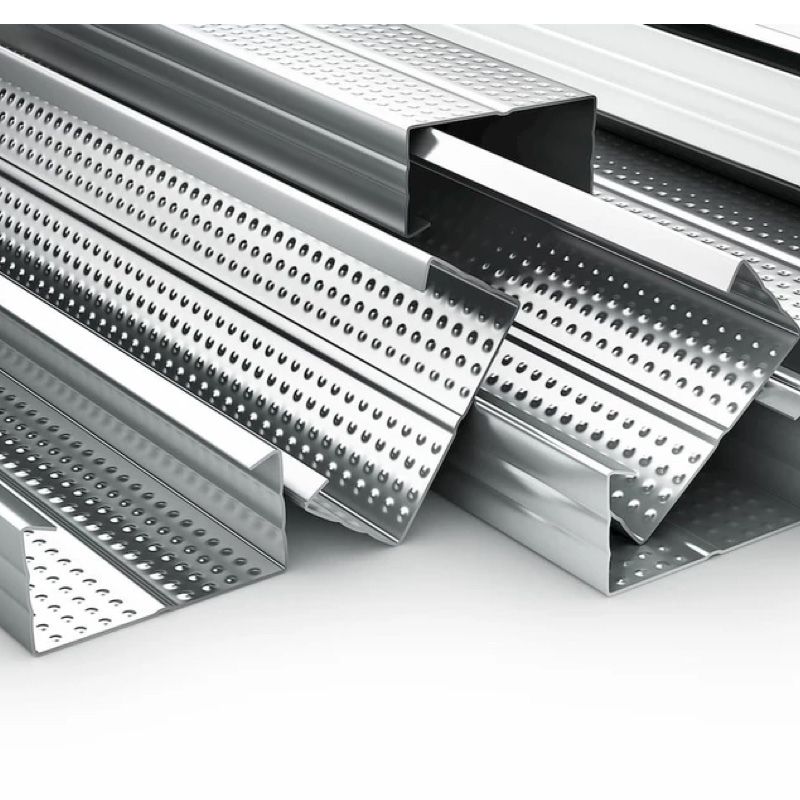
In the field of construction engineering, we often encounter various professional terms, one of which is "pouring wall", which plays a crucial role in architectural design and construction. This article aims to provide a detailed analysis of the definition, function, application, and construction points of "furring wall", in order to help readers fully understand and master this architectural knowledge.
1、 The Definition of Furring Wall
Furring wall, Usually translated as "infill wall" or "additional wall", it is a common non load-bearing wall in building structures. It is mainly composed of lightweight materials such as wood, metal, or gypsum board, used to construct a new layer of wall on the surface of existing load-bearing walls or other structures. The main function of Furring wall is to provide a smooth and solid base for subsequent surface decoration, what is a furring wall,while also providing functions such as sound insulation, heat insulation, and moisture prevention.
2、 The functions of the furring wall
1. Provide a flat base layer: Furring wall can provide a flat and solid base layer for wall decoration, ensuring that decorative materials such as wallpaper, paint, and tiles can adhere firmly, avoiding decoration quality problems caused by uneven base layers.
2. Sound insulation and heat insulation: By selecting appropriate materials and a reasonable structural design, Furring walls can effectively isolate noise and heat transfer, improving the comfort of living and working environments.
3. Moisture and mold proof: The materials used in Furring walls usually have moisture and mold proof properties, which can effectively prevent problems such as mold and deformation of the wall due to moisture.
4. Increase space utilization: In some special occasions, what is a furring wall,such as indoor partitions, storage rooms, etc., Furring walls can increase space utilization and make the space more flexible and versatile.
3、 The Application of Furring Wall
1. Indoor partitions: Furring walls are commonly used for indoor partitions, dividing spaces into different functional areas to improve space utilization and flexibility.
2. Wall decoration: In the renovation of old or new houses, Furring walls can provide a flat and solid base for wall decoration, ensuring the aesthetic and long-lasting decoration effect.
3. Insulation: In some cold or hot areas, Furring walls can effectively isolate heat transfer and improve the insulation performance of buildings.
4. Sound insulation and noise reduction: In places that require a quiet environment, such as libraries, hospitals, etc., Furring walls can effectively isolate noise interference and improve the quietness of the environment.
4、 Key points for the construction of a furring wall
1. Material selection: Select suitable materials based on specific needs and budget. Common materials include wood, metal keel, and gypsum board. Wood has good sound insulation and heat insulation properties, but is flammable and perishable; The metal keel is lightweight and sturdy, but the sound insulation effect is poor; Gypsum board is easy to process and decorate, but its impact resistance is weak.
2. Structural design: Determine the structural design of the Furring wall based on actual needs. Generally speaking, a Furring wall consists of a keel and a panel. The keel is used to support and secure the panel, while the panel is used to form the surface of the wall. In the design process, performance requirements such as sound insulation, heat insulation, and moisture resistance should be fully considered.
3. Construction process: The construction process includes steps such as measuring and positioning, installing keel, fixing panel, filling gaps, etc. During the construction process, attention should be paid to safety and quality issues to ensure construction quality and progress.
4. Quality inspection: After the construction is completed, what is a furring wall,quality inspection should be carried out, including checking the flatness, verticality, firmness and other indicators of the wall. At the same time, it is necessary to check whether the performance of sound insulation, heat insulation, moisture resistance, etc. meets the requirements.
5、 Summary
Furring wall, as a common non load-bearing wall structure, plays an important role in architectural design and construction. By selecting appropriate materials and designing a reasonable structure, Furring wall can achieve various functional requirements such as sound insulation, heat insulation, what is a furring wall,and moisture resistance, improving the performance and comfort of the building. At the same time, attention should be paid to safety and quality issues during the construction process to ensure construction quality and progress. I hope that through the introduction in this article, readers can have a more comprehensive understanding and mastery of the relevant knowledge of Furring wall.
1、 The Definition of Furring Wall
Furring wall, Usually translated as "infill wall" or "additional wall", it is a common non load-bearing wall in building structures. It is mainly composed of lightweight materials such as wood, metal, or gypsum board, used to construct a new layer of wall on the surface of existing load-bearing walls or other structures. The main function of Furring wall is to provide a smooth and solid base for subsequent surface decoration, what is a furring wall,while also providing functions such as sound insulation, heat insulation, and moisture prevention.
2、 The functions of the furring wall
1. Provide a flat base layer: Furring wall can provide a flat and solid base layer for wall decoration, ensuring that decorative materials such as wallpaper, paint, and tiles can adhere firmly, avoiding decoration quality problems caused by uneven base layers.
2. Sound insulation and heat insulation: By selecting appropriate materials and a reasonable structural design, Furring walls can effectively isolate noise and heat transfer, improving the comfort of living and working environments.
3. Moisture and mold proof: The materials used in Furring walls usually have moisture and mold proof properties, which can effectively prevent problems such as mold and deformation of the wall due to moisture.
4. Increase space utilization: In some special occasions, what is a furring wall,such as indoor partitions, storage rooms, etc., Furring walls can increase space utilization and make the space more flexible and versatile.
3、 The Application of Furring Wall
1. Indoor partitions: Furring walls are commonly used for indoor partitions, dividing spaces into different functional areas to improve space utilization and flexibility.
2. Wall decoration: In the renovation of old or new houses, Furring walls can provide a flat and solid base for wall decoration, ensuring the aesthetic and long-lasting decoration effect.
3. Insulation: In some cold or hot areas, Furring walls can effectively isolate heat transfer and improve the insulation performance of buildings.
4. Sound insulation and noise reduction: In places that require a quiet environment, such as libraries, hospitals, etc., Furring walls can effectively isolate noise interference and improve the quietness of the environment.
4、 Key points for the construction of a furring wall
1. Material selection: Select suitable materials based on specific needs and budget. Common materials include wood, metal keel, and gypsum board. Wood has good sound insulation and heat insulation properties, but is flammable and perishable; The metal keel is lightweight and sturdy, but the sound insulation effect is poor; Gypsum board is easy to process and decorate, but its impact resistance is weak.
2. Structural design: Determine the structural design of the Furring wall based on actual needs. Generally speaking, a Furring wall consists of a keel and a panel. The keel is used to support and secure the panel, while the panel is used to form the surface of the wall. In the design process, performance requirements such as sound insulation, heat insulation, and moisture resistance should be fully considered.
3. Construction process: The construction process includes steps such as measuring and positioning, installing keel, fixing panel, filling gaps, etc. During the construction process, attention should be paid to safety and quality issues to ensure construction quality and progress.
4. Quality inspection: After the construction is completed, what is a furring wall,quality inspection should be carried out, including checking the flatness, verticality, firmness and other indicators of the wall. At the same time, it is necessary to check whether the performance of sound insulation, heat insulation, moisture resistance, etc. meets the requirements.
5、 Summary
Furring wall, as a common non load-bearing wall structure, plays an important role in architectural design and construction. By selecting appropriate materials and designing a reasonable structure, Furring wall can achieve various functional requirements such as sound insulation, heat insulation, what is a furring wall,and moisture resistance, improving the performance and comfort of the building. At the same time, attention should be paid to safety and quality issues during the construction process to ensure construction quality and progress. I hope that through the introduction in this article, readers can have a more comprehensive understanding and mastery of the relevant knowledge of Furring wall.
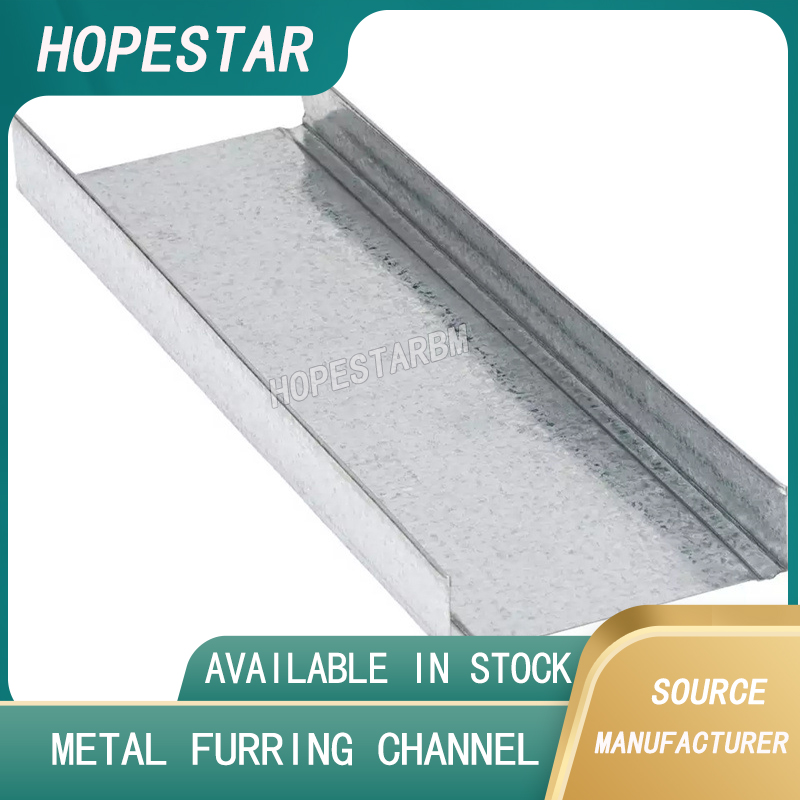
hat shaped rigid furring channels
galvanized steel furring channel
Related Article

Ceiling wall angle, also known as perimeter angle or L-angle, is an indispensable L-shaped metal profile for suspended drywall ceiling systems. Roll-formed from cold-rolled galvanized steel, ceiling wall angle is fixed along the wall perimeter to support the ends of main channels and furring channels,
Ceiling Wall Angle – Galvanized L-Shaped Perimeter Trim for Suspended Drywall Ceilings
Galvanized steel profiles are the foundational metal framing components widely used in modern interior construction. Roll-formed from cold-rolled steel coated with protective zinc layer, galvanized steel profiles cover a full range of shapes including C studs, U tracks, omega channels,
Galvanized Steel Profiles – Reliable Cold Rolled Framing for Drywall Walls and Ceilings

Metal furring channel for ceiling is a vital secondary framing component widely used in suspended ceiling and drywall ceiling systems. Roll-formed from cold-rolled galvanized steel, this lightweight metal profile works together with main channels, hangers and wall angles to create a level,
Metal Furring Channel for Ceiling – Galvanized Secondary Framing for Suspended Drywall Ceilings

Metal omega channel, also widely called omega furring channel or hat channel, is an indispensable secondary metal framing profile for modern suspended ceilings and drywall wall furring systems. Named after its distinctive Ω shape, this profile is roll-formed from cold-rolled galvanized steel
Metal Omega Channel – Galvanized Omega Furring Channel for Drywall Ceiling and Wall Framing