
What are the types of light steel keel
2024-03-20
Light steel keel, as a new type of building material, has been widely used in the construction industry in recent years. It provides safer, more environmentally friendly, and more efficient solutions for modern architecture with its unique advantages and characteristics. This article will provide a detailed introduction to the types of light steel keel, helping readers better understand and apply this building material.
Firstly, let's understand the basic concept of light steel keel. Light steel keel, as the name suggests, is a skeleton material made of lightweight steel. It has many advantages such as light weight, high strength, good seismic performance, and convenient and fast construction. In the field of construction, light steel keel is mainly used for suspended ceilings, partitions, walls and other parts, providing stable support and structural support for buildings.
Next, we will provide a detailed introduction to the main types of light steel keel.
1、 Suspended ceiling keel
Suspended ceiling keel is the most widely used type of light steel keel. It is mainly used for supporting and fixing indoor ceilings, and has the characteristics of stable structure, convenient installation, and beautiful appearance. The ceiling keel is generally divided into main keel and auxiliary keel. The main keel bears the main load-bearing task of the ceiling, while the auxiliary keel is used to fix the ceiling panel. Common ceiling keel materials include galvanized steel plate, painted steel plate, etc.
2、 Partition keel
The partition keel is mainly used for dividing and isolating indoor spaces. It can be used in conjunction with gypsum boards, mineral wool boards, and other boards to form various shapes of partition walls. The partition keel has the characteristics of easy installation, good sound insulation effect, and strong fire resistance, and is widely used in offices, conference rooms, hotels and other places.
3、 Wall keel
Wall keel is a common type of light steel keel, mainly used for the construction of exterior and interior walls. The use of wall keels in combination with insulation materials, waterproof materials, decorative panels, etc. can form walls with functions such as insulation, waterproofing, and aesthetics. Wall keel has the advantages of high strength, fast construction speed, environmental protection and energy conservation, making it an ideal choice for modern building walls.
4、 Ground keel
The ground keel is mainly used for supporting and fixing the floor. It can be used in conjunction with materials such as wooden flooring, ceramic tiles, and stone to create a flat and beautiful floor. Ground keel has the characteristics of easy installation, strong load-bearing capacity, and good stability, and is widely used in home decoration and commercial spaces.
In addition to the four common types of light steel keel mentioned above, there are also some special purpose keels, such as suspension keels, suspended ceiling keels, etc. These keels are designed according to specific usage scenarios and requirements, and have unique structures and functions.
In practical applications, the selection and use of light steel keel need to be comprehensively considered based on specific engineering requirements, architectural style, budget, and other factors. At the same time, in order to ensure the quality and performance of light steel keel, it is also very important to choose a legitimate manufacturer, follow standard construction techniques and specifications.
In summary, light steel keel, as a new type of building material, has been widely used in the construction industry due to its unique advantages and characteristics. Through a detailed introduction to the type of light steel keel, it is believed that readers have a deeper understanding of this building material. In the future field of architecture, light steel keel will continue to play an important role, contributing to the safety, environmental protection, and efficiency of modern architecture.
Firstly, let's understand the basic concept of light steel keel. Light steel keel, as the name suggests, is a skeleton material made of lightweight steel. It has many advantages such as light weight, high strength, good seismic performance, and convenient and fast construction. In the field of construction, light steel keel is mainly used for suspended ceilings, partitions, walls and other parts, providing stable support and structural support for buildings.
Next, we will provide a detailed introduction to the main types of light steel keel.
1、 Suspended ceiling keel
Suspended ceiling keel is the most widely used type of light steel keel. It is mainly used for supporting and fixing indoor ceilings, and has the characteristics of stable structure, convenient installation, and beautiful appearance. The ceiling keel is generally divided into main keel and auxiliary keel. The main keel bears the main load-bearing task of the ceiling, while the auxiliary keel is used to fix the ceiling panel. Common ceiling keel materials include galvanized steel plate, painted steel plate, etc.
2、 Partition keel
The partition keel is mainly used for dividing and isolating indoor spaces. It can be used in conjunction with gypsum boards, mineral wool boards, and other boards to form various shapes of partition walls. The partition keel has the characteristics of easy installation, good sound insulation effect, and strong fire resistance, and is widely used in offices, conference rooms, hotels and other places.
3、 Wall keel
Wall keel is a common type of light steel keel, mainly used for the construction of exterior and interior walls. The use of wall keels in combination with insulation materials, waterproof materials, decorative panels, etc. can form walls with functions such as insulation, waterproofing, and aesthetics. Wall keel has the advantages of high strength, fast construction speed, environmental protection and energy conservation, making it an ideal choice for modern building walls.
4、 Ground keel
The ground keel is mainly used for supporting and fixing the floor. It can be used in conjunction with materials such as wooden flooring, ceramic tiles, and stone to create a flat and beautiful floor. Ground keel has the characteristics of easy installation, strong load-bearing capacity, and good stability, and is widely used in home decoration and commercial spaces.
In addition to the four common types of light steel keel mentioned above, there are also some special purpose keels, such as suspension keels, suspended ceiling keels, etc. These keels are designed according to specific usage scenarios and requirements, and have unique structures and functions.
In practical applications, the selection and use of light steel keel need to be comprehensively considered based on specific engineering requirements, architectural style, budget, and other factors. At the same time, in order to ensure the quality and performance of light steel keel, it is also very important to choose a legitimate manufacturer, follow standard construction techniques and specifications.
In summary, light steel keel, as a new type of building material, has been widely used in the construction industry due to its unique advantages and characteristics. Through a detailed introduction to the type of light steel keel, it is believed that readers have a deeper understanding of this building material. In the future field of architecture, light steel keel will continue to play an important role, contributing to the safety, environmental protection, and efficiency of modern architecture.
How much does the light steel keel ceiling cost
hat channel for metal buildings Characteristics
Related Article

Ceiling wall angle, also known as perimeter angle or L-angle, is an indispensable L-shaped metal profile for suspended drywall ceiling systems. Roll-formed from cold-rolled galvanized steel, ceiling wall angle is fixed along the wall perimeter to support the ends of main channels and furring channels,
Ceiling Wall Angle – Galvanized L-Shaped Perimeter Trim for Suspended Drywall Ceilings
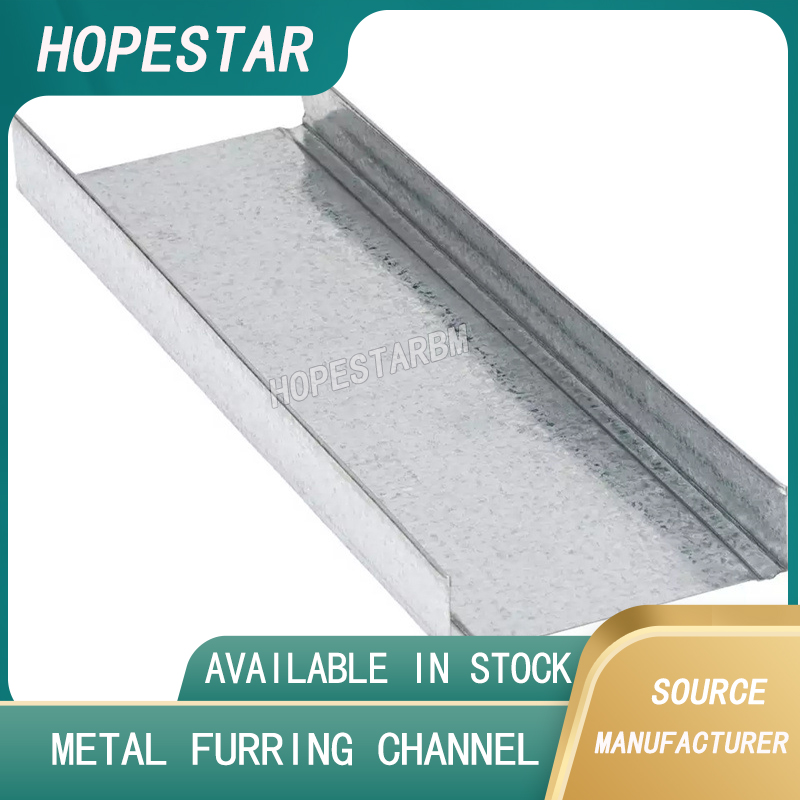
Galvanized steel profiles are the foundational metal framing components widely used in modern interior construction. Roll-formed from cold-rolled steel coated with protective zinc layer, galvanized steel profiles cover a full range of shapes including C studs, U tracks, omega channels,
Galvanized Steel Profiles – Reliable Cold Rolled Framing for Drywall Walls and Ceilings

Metal furring channel for ceiling is a vital secondary framing component widely used in suspended ceiling and drywall ceiling systems. Roll-formed from cold-rolled galvanized steel, this lightweight metal profile works together with main channels, hangers and wall angles to create a level,
Metal Furring Channel for Ceiling – Galvanized Secondary Framing for Suspended Drywall Ceilings

Metal omega channel, also widely called omega furring channel or hat channel, is an indispensable secondary metal framing profile for modern suspended ceilings and drywall wall furring systems. Named after its distinctive Ω shape, this profile is roll-formed from cold-rolled galvanized steel
Metal Omega Channel – Galvanized Omega Furring Channel for Drywall Ceiling and Wall Framing