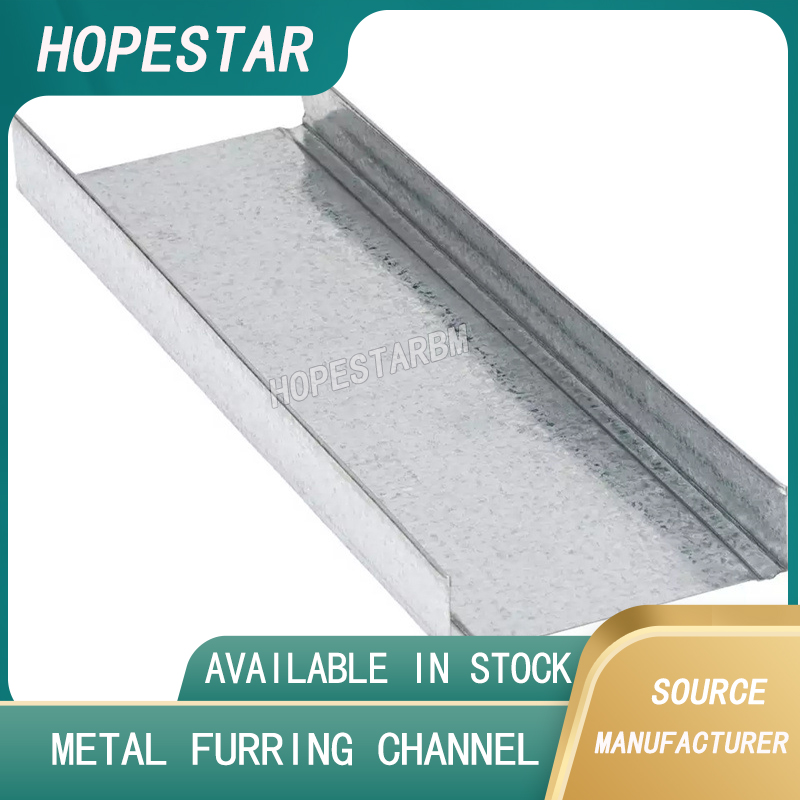
What are the Standard Sizes of Steel Studs?

In modern construction, steel studs have become one of the most popular alternatives to traditional wood framing. Their strength, durability, and resistance to fire and moisture make them an excellent choice for residential, commercial, and industrial buildings. One of the most common questions that contractors, architects, and homeowners ask is: What are the standard sizes of steel studs? Understanding the dimensions of steel studs is essential for selecting the right product for your project, ensuring efficiency, safety, and compliance with building codes.
Overview of Steel Studs
Steel studs are cold-formed steel members designed to serve as the framework for walls, ceilings, and partitions. They are manufactured in various sizes, thicknesses, and lengths to meet different structural requirements. Unlike wood studs, steel studs do not warp, twist, or shrink, which ensures that walls remain straight and stable over time. To choose the right steel stud, builders need to consider its width, flange size, thickness (or gauge), and length.
Standard Widths of Steel Studs
The width of a steel stud refers to the measurement across its face. This dimension determines the wall cavity depth and affects insulation, soundproofing, and load-bearing capacity. The most common standard widths include:
-
1 5/8 inch (41 mm): Typically used for furring or light partition walls.
-
2 1/2 inch (64 mm): Popular for interior partitions in residential and light commercial projects.
-
3 5/8 inch (92 mm): The most widely used size for interior walls, providing a balance of strength and space efficiency.
-
4 inch (102 mm): Used in situations where thicker insulation or additional wall strength is required.
-
6 inch (152 mm): Common in commercial and exterior walls, offering space for larger utilities and insulation.
-
8 inch (203 mm) and above: Suitable for structural applications, tall walls, or industrial projects requiring additional strength.
Standard Flange Sizes
The flange is the side portion of the steel stud that provides surface area for attaching drywall or sheathing. Standard flange sizes include:
-
1 1/4 inch (32 mm): The most common flange size for general framing.
-
1 3/8 inch (35 mm) or 1 5/8 inch (41 mm): Wider flanges are available for heavier applications, offering more screw-bearing surface and greater stability.
Standard Thickness (Gauge) of Steel Studs
Steel stud thickness is measured in gauge, which determines its strength and load capacity. Lower gauge numbers indicate thicker steel. The most common gauges for steel studs include:
-
25 gauge (0.018–0.020 inch): Light-duty studs, most often used for residential interior walls and partitions that are not load-bearing.
-
20 gauge (0.033 inch): Medium-duty studs suitable for commercial partitions and taller walls.
-
18 gauge (0.043 inch): Heavier studs for areas that require additional strength and support.
-
16 gauge (0.054 inch): Strong structural studs for commercial projects and some load-bearing applications.
-
14 gauge (0.068 inch): Extra-heavy studs used in structural framing where high strength is required.
Standard Lengths of Steel Studs
Steel studs are manufactured in a variety of lengths to accommodate different ceiling heights and structural designs. Standard lengths include:
-
8 feet (2.44 meters): Suitable for most residential projects with standard ceiling heights.
-
10 feet (3.05 meters): Common in both residential and commercial walls.
-
12 feet (3.66 meters): Frequently used in commercial buildings with higher ceilings.
-
Custom lengths up to 20 feet (6.1 meters): Available for specialized projects such as warehouses, schools, and industrial facilities.
Choosing the Right Steel Stud Size
Selecting the correct steel stud size depends on the type of project and its requirements:
-
For residential interior partitions, a 3 5/8 inch wide, 25-gauge stud is the most common choice.
-
For commercial walls, 6 inch studs in 20 or 18 gauge are often required to support insulation, utilities, and soundproofing.
-
For structural framing, heavy-duty 16 or 14 gauge studs in wider dimensions are necessary to carry the load.
In addition to size, contractors should also consider local building codes, fire resistance requirements, and energy efficiency standards before making a final decision.
Metal Corner Bead and Its Importance in Drywall Finishing
What are Steel Studs Used For?
Related Article