
What are the specifications and models of Australian light steel keel
2024-05-09
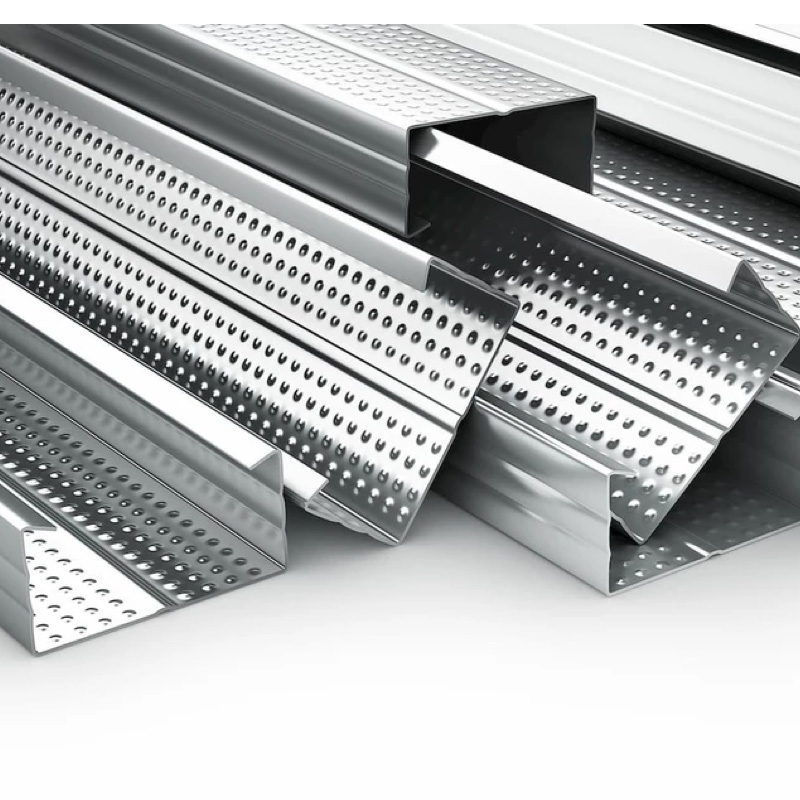
What are the specifications and models of Australian light steel keel? Light steel keel, as an important material in the modern construction field, is widely used in building decoration projects such as suspended ceilings and partition walls. Its excellent fire and seismic performance, as well as its environmental and economic characteristics, make light steel keel highly favored in the market. This article will provide a detailed introduction to the specifications and models of light steel keel, helping readers better understand and choose light steel keel products that are suitable for their own projects.
1、 Classification of Light Steel Keels
Light steel keel can be divided into two categories according to its purpose: ceiling keel and partition wall keel. Suspended ceiling keel is mainly used for indoor ceiling engineering, while partition wall keel is mainly used for the construction of indoor partition walls. According to the different cross-sectional shapes of the keel, light steel keel can also be divided into various types such as U-shaped keel, C-shaped keel, T-shaped keel, etc.
2、 Introduction to specifications and models of light steel keel
1. Specification and model of ceiling keel
The ceiling keel can be divided into various specifications according to the cross-sectional height, including common types such as 50, 60, 75, and 100. Among them, the section height of the 50 type ceiling keel is 50mm, suitable for smaller span ceiling projects; Type 60 and 75 ceiling keels are suitable for medium span ceiling projects; The 100 type ceiling keel has a high load-bearing capacity and is suitable for large-span and heavy-duty ceiling projects.
In addition to the cross-sectional height, the ceiling keel can also be classified according to material, surface treatment method, etc. For example, the material of the ceiling keel can be divided into various materials such as galvanized steel plate, painted steel plate, aluminum alloy, etc; There are various surface treatment methods available, such as spraying, galvanizing, and baking paint.
2. Specification and model of partition wall keel
The partition wall keel can also be divided into various specifications according to the cross-sectional shape and height. Common partition wall keels include U-shaped keels, C-shaped keels, T-shaped keels, etc. U-shaped keel has high load-bearing capacity and stability, suitable for partition wall projects with high requirements; C-shaped keel has good bending resistance and is suitable for partition wall engineering with general requirements; T-shaped keel has good connection performance and is suitable for partition wall projects that require frequent disassembly.
The material and surface treatment method of the partition wall keel are similar to that of the ceiling keel, and can also be selected according to actual needs.
3、 Selection and precautions of light steel keel
When selecting light steel keel, it is necessary to comprehensively consider the actual engineering needs. Firstly, appropriate keel specifications and models should be selected based on factors such as the height, span, and load of the ceiling or partition wall; Secondly, factors such as corrosion resistance and aesthetics of the keel material and surface treatment method should be considered; Finally, attention should also be paid to the selection and installation quality of keel connectors to ensure the stability and safety of the entire suspended ceiling or partition wall system.
When installing light steel keel, attention should be paid to the following points: first, ensure the accuracy of the keel spacing to avoid excessive or insufficient spacing; Secondly, it is necessary to ensure the flatness and verticality of the keel to avoid distortion or tilting; Thirdly, it is necessary to correctly select and use keel connectors to ensure that the connections are firm and reliable; Fourthly, a comprehensive inspection should be conducted after the installation of the keel to ensure the stability and safety of the entire suspended ceiling or partition wall system.
In short, as an important material in modern building decoration engineering, light steel keel has a wide range of specifications and models, and the selection and use need to consider multiple factors comprehensively. Through the introduction of this article, it is believed that readers have a more comprehensive understanding of the specifications and models of light steel keel, and can better choose and apply them in practical engineering.
1、 Classification of Light Steel Keels
Light steel keel can be divided into two categories according to its purpose: ceiling keel and partition wall keel. Suspended ceiling keel is mainly used for indoor ceiling engineering, while partition wall keel is mainly used for the construction of indoor partition walls. According to the different cross-sectional shapes of the keel, light steel keel can also be divided into various types such as U-shaped keel, C-shaped keel, T-shaped keel, etc.
2、 Introduction to specifications and models of light steel keel
1. Specification and model of ceiling keel
The ceiling keel can be divided into various specifications according to the cross-sectional height, including common types such as 50, 60, 75, and 100. Among them, the section height of the 50 type ceiling keel is 50mm, suitable for smaller span ceiling projects; Type 60 and 75 ceiling keels are suitable for medium span ceiling projects; The 100 type ceiling keel has a high load-bearing capacity and is suitable for large-span and heavy-duty ceiling projects.
In addition to the cross-sectional height, the ceiling keel can also be classified according to material, surface treatment method, etc. For example, the material of the ceiling keel can be divided into various materials such as galvanized steel plate, painted steel plate, aluminum alloy, etc; There are various surface treatment methods available, such as spraying, galvanizing, and baking paint.
2. Specification and model of partition wall keel
The partition wall keel can also be divided into various specifications according to the cross-sectional shape and height. Common partition wall keels include U-shaped keels, C-shaped keels, T-shaped keels, etc. U-shaped keel has high load-bearing capacity and stability, suitable for partition wall projects with high requirements; C-shaped keel has good bending resistance and is suitable for partition wall engineering with general requirements; T-shaped keel has good connection performance and is suitable for partition wall projects that require frequent disassembly.
The material and surface treatment method of the partition wall keel are similar to that of the ceiling keel, and can also be selected according to actual needs.
3、 Selection and precautions of light steel keel
When selecting light steel keel, it is necessary to comprehensively consider the actual engineering needs. Firstly, appropriate keel specifications and models should be selected based on factors such as the height, span, and load of the ceiling or partition wall; Secondly, factors such as corrosion resistance and aesthetics of the keel material and surface treatment method should be considered; Finally, attention should also be paid to the selection and installation quality of keel connectors to ensure the stability and safety of the entire suspended ceiling or partition wall system.
When installing light steel keel, attention should be paid to the following points: first, ensure the accuracy of the keel spacing to avoid excessive or insufficient spacing; Secondly, it is necessary to ensure the flatness and verticality of the keel to avoid distortion or tilting; Thirdly, it is necessary to correctly select and use keel connectors to ensure that the connections are firm and reliable; Fourthly, a comprehensive inspection should be conducted after the installation of the keel to ensure the stability and safety of the entire suspended ceiling or partition wall system.
In short, as an important material in modern building decoration engineering, light steel keel has a wide range of specifications and models, and the selection and use need to consider multiple factors comprehensively. Through the introduction of this article, it is believed that readers have a more comprehensive understanding of the specifications and models of light steel keel, and can better choose and apply them in practical engineering.
How much does European light steel keel ceiling usually cost?
What are the characteristics of European light steel keel?
Related Article

Ceiling wall angle, also known as perimeter angle or L-angle, is an indispensable L-shaped metal profile for suspended drywall ceiling systems. Roll-formed from cold-rolled galvanized steel, ceiling wall angle is fixed along the wall perimeter to support the ends of main channels and furring channels,
Ceiling Wall Angle – Galvanized L-Shaped Perimeter Trim for Suspended Drywall Ceilings
Galvanized steel profiles are the foundational metal framing components widely used in modern interior construction. Roll-formed from cold-rolled steel coated with protective zinc layer, galvanized steel profiles cover a full range of shapes including C studs, U tracks, omega channels,
Galvanized Steel Profiles – Reliable Cold Rolled Framing for Drywall Walls and Ceilings

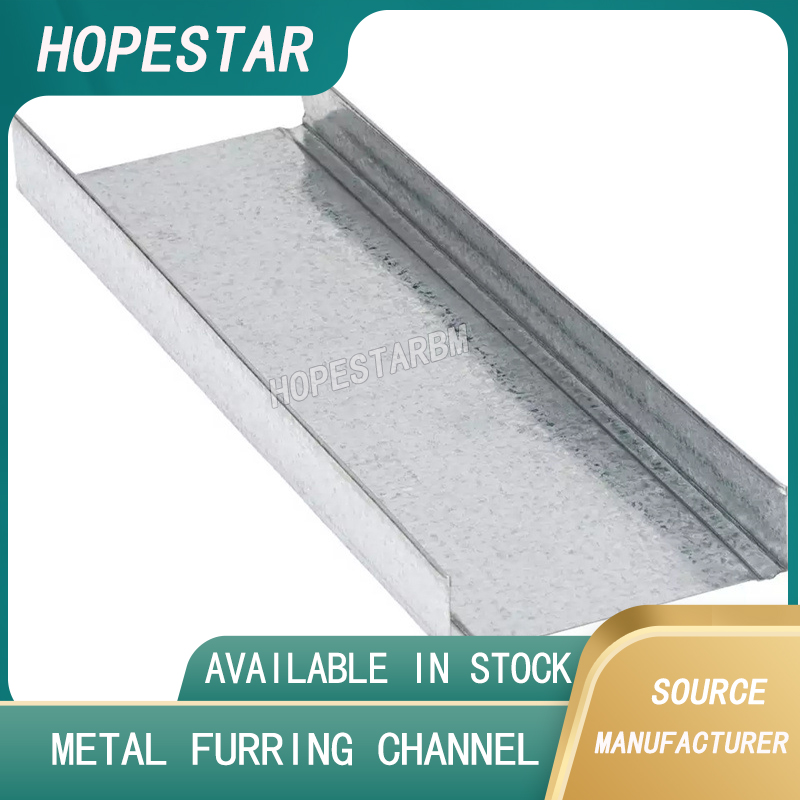
Metal furring channel for ceiling is a vital secondary framing component widely used in suspended ceiling and drywall ceiling systems. Roll-formed from cold-rolled galvanized steel, this lightweight metal profile works together with main channels, hangers and wall angles to create a level,
Metal Furring Channel for Ceiling – Galvanized Secondary Framing for Suspended Drywall Ceilings

Metal omega channel, also widely called omega furring channel or hat channel, is an indispensable secondary metal framing profile for modern suspended ceilings and drywall wall furring systems. Named after its distinctive Ω shape, this profile is roll-formed from cold-rolled galvanized steel
Metal Omega Channel – Galvanized Omega Furring Channel for Drywall Ceiling and Wall Framing