
What are the characteristics of dry partition walls
2024-04-24
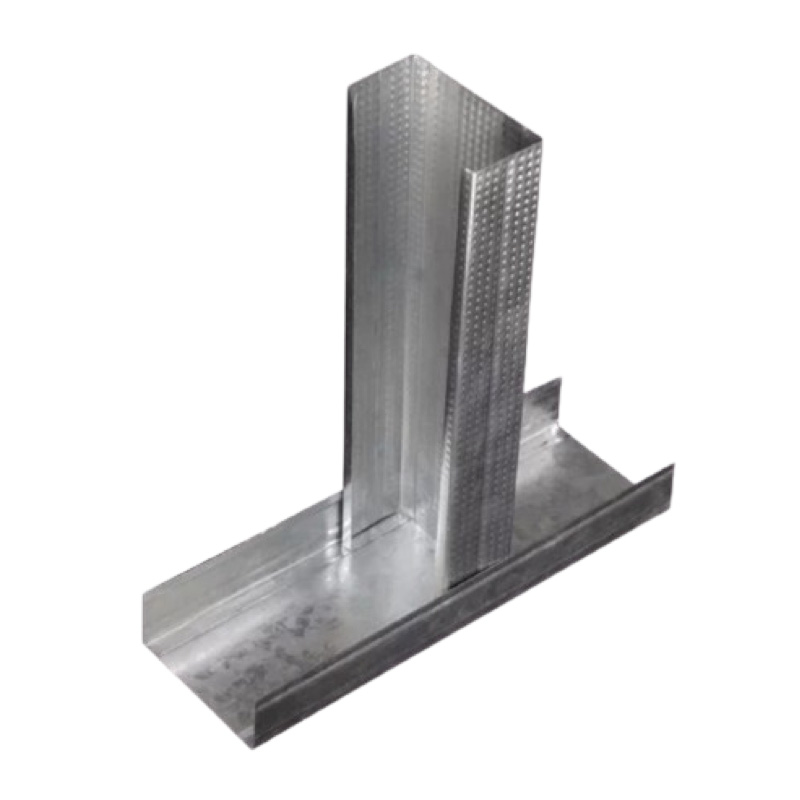
Dry partition wall is a non load-bearing wall that divides the interior space of a building, and its characteristics are mainly reflected in the following aspects:
1. Convenient installation and disassembly
One of the biggest characteristics of dry partition walls is their convenient installation and disassembly process. Compared with traditional wet partition walls, dry partition walls do not require tedious construction steps such as plastering and coating, greatly shortening the construction period. Its assembled structure makes installation simple and fast, while also making disassembly more convenient. When space needs to be re planned, dry partition walls can be easily removed and reassembled, greatly reducing renovation costs and time.
2. Good sound insulation effect
Dry partition walls usually use sound insulation materials as part of their construction, which makes them have good sound insulation effects. Sound insulation is very important in both homes and workplaces, as it can effectively prevent the spread of sound, protect privacy, and improve the comfort of work and life.
3. Diversified material selection
The material selection for dry partition walls is very diverse, including wood, metal, glass, and other materials. This diverse material selection provides greater flexibility in the design and decoration of dry partition walls, allowing for the selection of appropriate materials based on different spatial requirements and decorative styles.
4. Good fire resistance performance
Dry partition walls usually consider fire resistance when selecting materials, and some high-quality dry partition walls can even meet national fire safety standards. This excellent fire protection performance provides a strong guarantee for the safety of buildings, especially in places with high fire protection requirements, such as commercial complexes, schools, etc., dry partition walls are more widely used.
5. Environmental protection and energy conservation
With the increasing awareness of environmental protection, dry partition walls are also paying more attention to environmental protection and energy conservation in their design and manufacturing processes. Many dry partition wall materials are recyclable, which not only reduces resource waste but also reduces environmental pollution. At the same time, some new dry partition walls also have good insulation performance, which can reduce energy consumption to a certain extent.
6. Easy to clean and maintain
The surface of dry partition walls is usually specially treated to make it easy to clean and maintain. Whether it's daily dust or accidentally splashed stains, they can be easily wiped clean to keep the walls clean and beautiful. This easy to clean and maintain feature makes dry partition walls more convenient and worry free in daily use.
In summary, dry partition walls have been widely used in modern building interior space division due to their convenient installation and disassembly, good sound insulation effect, diverse material selection, good fire performance, environmental protection and energy conservation, and easy cleaning and maintenance. Whether it is home decoration or commercial space renovation, dry partition walls provide more possibilities and choices for spatial planning with their unique advantages.
1. Convenient installation and disassembly
One of the biggest characteristics of dry partition walls is their convenient installation and disassembly process. Compared with traditional wet partition walls, dry partition walls do not require tedious construction steps such as plastering and coating, greatly shortening the construction period. Its assembled structure makes installation simple and fast, while also making disassembly more convenient. When space needs to be re planned, dry partition walls can be easily removed and reassembled, greatly reducing renovation costs and time.
2. Good sound insulation effect
Dry partition walls usually use sound insulation materials as part of their construction, which makes them have good sound insulation effects. Sound insulation is very important in both homes and workplaces, as it can effectively prevent the spread of sound, protect privacy, and improve the comfort of work and life.
3. Diversified material selection
The material selection for dry partition walls is very diverse, including wood, metal, glass, and other materials. This diverse material selection provides greater flexibility in the design and decoration of dry partition walls, allowing for the selection of appropriate materials based on different spatial requirements and decorative styles.
4. Good fire resistance performance
Dry partition walls usually consider fire resistance when selecting materials, and some high-quality dry partition walls can even meet national fire safety standards. This excellent fire protection performance provides a strong guarantee for the safety of buildings, especially in places with high fire protection requirements, such as commercial complexes, schools, etc., dry partition walls are more widely used.
5. Environmental protection and energy conservation
With the increasing awareness of environmental protection, dry partition walls are also paying more attention to environmental protection and energy conservation in their design and manufacturing processes. Many dry partition wall materials are recyclable, which not only reduces resource waste but also reduces environmental pollution. At the same time, some new dry partition walls also have good insulation performance, which can reduce energy consumption to a certain extent.
6. Easy to clean and maintain
The surface of dry partition walls is usually specially treated to make it easy to clean and maintain. Whether it's daily dust or accidentally splashed stains, they can be easily wiped clean to keep the walls clean and beautiful. This easy to clean and maintain feature makes dry partition walls more convenient and worry free in daily use.
In summary, dry partition walls have been widely used in modern building interior space division due to their convenient installation and disassembly, good sound insulation effect, diverse material selection, good fire performance, environmental protection and energy conservation, and easy cleaning and maintenance. Whether it is home decoration or commercial space renovation, dry partition walls provide more possibilities and choices for spatial planning with their unique advantages.
Which company is good for light steel keel suspended ceiling
What is the best material for drywall partition?
Related Article

Ceiling wall angle, also known as perimeter angle or L-angle, is an indispensable L-shaped metal profile for suspended drywall ceiling systems. Roll-formed from cold-rolled galvanized steel, ceiling wall angle is fixed along the wall perimeter to support the ends of main channels and furring channels,
Ceiling Wall Angle – Galvanized L-Shaped Perimeter Trim for Suspended Drywall Ceilings

Galvanized steel profiles are the foundational metal framing components widely used in modern interior construction. Roll-formed from cold-rolled steel coated with protective zinc layer, galvanized steel profiles cover a full range of shapes including C studs, U tracks, omega channels,
Galvanized Steel Profiles – Reliable Cold Rolled Framing for Drywall Walls and Ceilings

Metal furring channel for ceiling is a vital secondary framing component widely used in suspended ceiling and drywall ceiling systems. Roll-formed from cold-rolled galvanized steel, this lightweight metal profile works together with main channels, hangers and wall angles to create a level,
Metal Furring Channel for Ceiling – Galvanized Secondary Framing for Suspended Drywall Ceilings

Metal omega channel, also widely called omega furring channel or hat channel, is an indispensable secondary metal framing profile for modern suspended ceilings and drywall wall furring systems. Named after its distinctive Ω shape, this profile is roll-formed from cold-rolled galvanized steel
Metal Omega Channel – Galvanized Omega Furring Channel for Drywall Ceiling and Wall Framing