
What are the characteristics of aluminum keel
2025-04-11
Aluminum keel is a type of suspended ceiling and partition support component mainly made of aluminum alloy and formed by extrusion or stamping. Due to its excellent physical properties and decorative effect, it is widely used in modern decoration, especially in places with high requirements for anti-corrosion and aesthetics. The following are the main characteristics of aluminum keel:
1. Corrosion and rust prevention, strong durability
Aluminum has natural antioxidant capacity and is prone to forming dense oxide films on its surface, which can effectively resist moisture and corrosive gases in the air. It is suitable for humid, oil fume or high salt environments, such as kitchens, bathrooms, basements, coastal cities, etc.
2. Lightweight and high-strength, easy to install
Aluminum alloy has low density and light weight, making it easier to handle and install during construction, especially suitable for weight sensitive structures such as suspended ceilings and integrated ceilings. At the same time, aluminum has good strength, maintaining structural stability and not easily deforming.
3. Beautiful appearance and strong decorative value
Aluminum keel is usually treated with oxidation, electrophoresis, spraying or film coating on the surface, which can present various colors and textures (such as matte, glossy, wood grain, etc.), and can be matched with various ceiling panels (such as aluminum buckle panels, honeycomb panels) to enhance the overall aesthetics and modernity of the space.
4. High standardization and flexible installation
Aluminum keel often adopts buckle or plug-in design, with standardized structure, precise size, fast on-site assembly, and no need for welding or drilling, greatly improving construction efficiency. At the same time, it is convenient for future maintenance, disassembly, and replacement.
5. Environmentally friendly, non-toxic, and recyclable
Aluminum is a renewable metal material that is formaldehyde free, odorless, and does not pollute indoor air. It meets green building standards and can be recycled and reused after use, making it environmentally friendly and energy-saving.
6. Widely applicable
Widely used in commercial spaces (such as office buildings, shopping malls), public facilities (such as hospitals, airports, stations), home decoration (kitchens, bathrooms) and other scenarios, especially suitable for high-end ceiling systems or clean engineering.
1. Corrosion and rust prevention, strong durability
Aluminum has natural antioxidant capacity and is prone to forming dense oxide films on its surface, which can effectively resist moisture and corrosive gases in the air. It is suitable for humid, oil fume or high salt environments, such as kitchens, bathrooms, basements, coastal cities, etc.
2. Lightweight and high-strength, easy to install
Aluminum alloy has low density and light weight, making it easier to handle and install during construction, especially suitable for weight sensitive structures such as suspended ceilings and integrated ceilings. At the same time, aluminum has good strength, maintaining structural stability and not easily deforming.
3. Beautiful appearance and strong decorative value
Aluminum keel is usually treated with oxidation, electrophoresis, spraying or film coating on the surface, which can present various colors and textures (such as matte, glossy, wood grain, etc.), and can be matched with various ceiling panels (such as aluminum buckle panels, honeycomb panels) to enhance the overall aesthetics and modernity of the space.
4. High standardization and flexible installation
Aluminum keel often adopts buckle or plug-in design, with standardized structure, precise size, fast on-site assembly, and no need for welding or drilling, greatly improving construction efficiency. At the same time, it is convenient for future maintenance, disassembly, and replacement.
5. Environmentally friendly, non-toxic, and recyclable
Aluminum is a renewable metal material that is formaldehyde free, odorless, and does not pollute indoor air. It meets green building standards and can be recycled and reused after use, making it environmentally friendly and energy-saving.
6. Widely applicable
Widely used in commercial spaces (such as office buildings, shopping malls), public facilities (such as hospitals, airports, stations), home decoration (kitchens, bathrooms) and other scenarios, especially suitable for high-end ceiling systems or clean engineering.
What are the characteristics of C-shaped light steel keel
What is the difference between galvanized light steel keel and aluminum keel
Related Article

Ceiling wall angle, also known as perimeter angle or L-angle, is an indispensable L-shaped metal profile for suspended drywall ceiling systems. Roll-formed from cold-rolled galvanized steel, ceiling wall angle is fixed along the wall perimeter to support the ends of main channels and furring channels,
Ceiling Wall Angle – Galvanized L-Shaped Perimeter Trim for Suspended Drywall Ceilings
Galvanized steel profiles are the foundational metal framing components widely used in modern interior construction. Roll-formed from cold-rolled steel coated with protective zinc layer, galvanized steel profiles cover a full range of shapes including C studs, U tracks, omega channels,
Galvanized Steel Profiles – Reliable Cold Rolled Framing for Drywall Walls and Ceilings

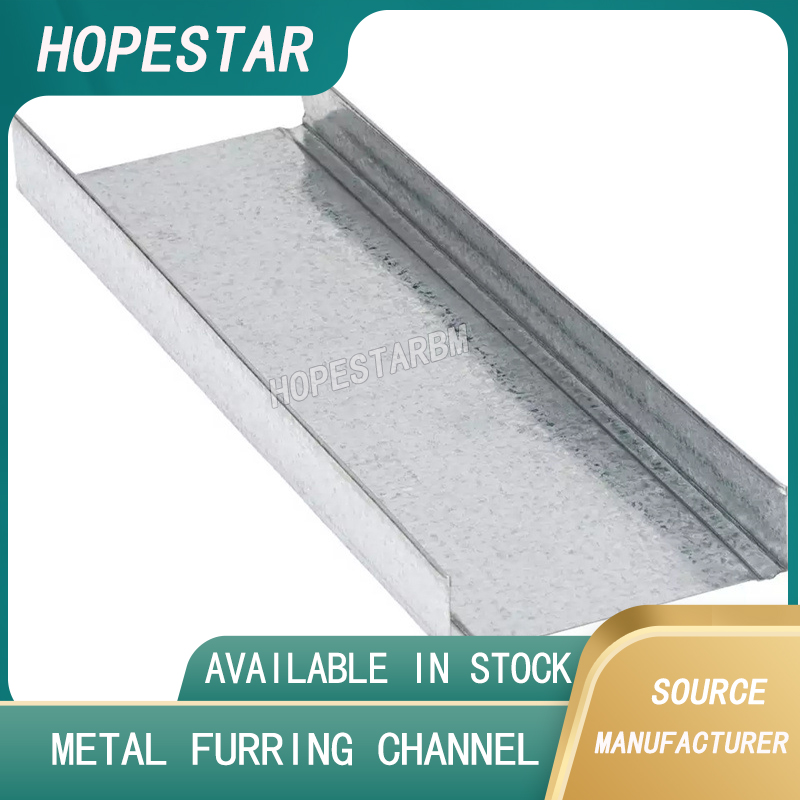
Metal furring channel for ceiling is a vital secondary framing component widely used in suspended ceiling and drywall ceiling systems. Roll-formed from cold-rolled galvanized steel, this lightweight metal profile works together with main channels, hangers and wall angles to create a level,
Metal Furring Channel for Ceiling – Galvanized Secondary Framing for Suspended Drywall Ceilings

Metal omega channel, also widely called omega furring channel or hat channel, is an indispensable secondary metal framing profile for modern suspended ceilings and drywall wall furring systems. Named after its distinctive Ω shape, this profile is roll-formed from cold-rolled galvanized steel
Metal Omega Channel – Galvanized Omega Furring Channel for Drywall Ceiling and Wall Framing