
Wall Liner.The difference between wall lining and putty
2022-10-01
Wall Liner.The difference between wall lining and putty. Family decoration, especially villas and other large household decoration, an indispensable construction is the light steel keel plasterboard ceiling. Light steel keel plasterboard ceiling has various shapes and good decorative effect.
Common plasterboard is generally divided into three kinds: ordinary paper plasterboard, waterproof (waterproof) plasterboard, fireproof plasterboard (what is there except formaldehyde plasterboard, air purification plasterboard).
First: ordinary paper plasterboard is the most widely used, including all kinds of flat roof shape, special-shaped ceiling shape, side hanging shape, light steel keel plasterboard partition wall, curtain box sealing board, etc., the general thickness includes 9.5mm, 12mm, etc., the common size is 1200 × 2400 1200 × 3000mm, etc., it is recommended that ordinary paper plasterboard be used in dry environment.
The second kind: waterproof (waterproof) plasterboard, as the name implies, this kind of plasterboard is generally used in wet environments such as kitchens, bathrooms, basements, etc., with the use of waterproof coating, the moistureproof effect is very good. Its density is denser than ordinary paper plasterboard, and the price is a little higher than ordinary paper plasterboard.
The third kind: fireproof plasterboard this kind of plasterboard we can see the name, it is a kind of special board, home decoration construction with very little, generally used for office decoration computer room partition construction, most of the common color of this board is red, the price is higher than ordinary paper plasterboard.
Wall lining properties:
1. Strong adhesion, strong adhesion, toughness and good air permeability.
2. It will not be powdered after being exposed to moisture, and it has strong water resistance.
3, the use of wall lining wall will not crack, peel, fall off.
4, the use of wall lining of the wall feel delicate, soft, good texture.
5. After the wall lining is contaminated, the wall can be scrubbed or brushed with interior wall paint directly to improve the performance and life of the coating.
6. if you paint the inner wall again, you don't need to shovel the wall, you can paint the inner wall directly.
7. The wall lining is environmentally friendly and has no pollution.
Putty characteristics:
1. Poor adhesion and low adhesion.
2. No tenacity.
3. Pulverization is easy to occur after being exposed to moisture.
4. it is easy to crack, peel and fall off in a short time, and it is troublesome to repair in the later stage.
5. When brushing the wall again, the original 821 putty needs to be eradicated, which is troublesome and not environmentally friendly.
Now you know the essential difference between the two, and you know the craftsmanship, right?
Common plasterboard is generally divided into three kinds: ordinary paper plasterboard, waterproof (waterproof) plasterboard, fireproof plasterboard (what is there except formaldehyde plasterboard, air purification plasterboard).
First: ordinary paper plasterboard is the most widely used, including all kinds of flat roof shape, special-shaped ceiling shape, side hanging shape, light steel keel plasterboard partition wall, curtain box sealing board, etc., the general thickness includes 9.5mm, 12mm, etc., the common size is 1200 × 2400 1200 × 3000mm, etc., it is recommended that ordinary paper plasterboard be used in dry environment.
The second kind: waterproof (waterproof) plasterboard, as the name implies, this kind of plasterboard is generally used in wet environments such as kitchens, bathrooms, basements, etc., with the use of waterproof coating, the moistureproof effect is very good. Its density is denser than ordinary paper plasterboard, and the price is a little higher than ordinary paper plasterboard.
The third kind: fireproof plasterboard this kind of plasterboard we can see the name, it is a kind of special board, home decoration construction with very little, generally used for office decoration computer room partition construction, most of the common color of this board is red, the price is higher than ordinary paper plasterboard.
Wall lining properties:
1. Strong adhesion, strong adhesion, toughness and good air permeability.
2. It will not be powdered after being exposed to moisture, and it has strong water resistance.
3, the use of wall lining wall will not crack, peel, fall off.
4, the use of wall lining of the wall feel delicate, soft, good texture.
5. After the wall lining is contaminated, the wall can be scrubbed or brushed with interior wall paint directly to improve the performance and life of the coating.
6. if you paint the inner wall again, you don't need to shovel the wall, you can paint the inner wall directly.
7. The wall lining is environmentally friendly and has no pollution.
Putty characteristics:
1. Poor adhesion and low adhesion.
2. No tenacity.
3. Pulverization is easy to occur after being exposed to moisture.
4. it is easy to crack, peel and fall off in a short time, and it is troublesome to repair in the later stage.
5. When brushing the wall again, the original 821 putty needs to be eradicated, which is troublesome and not environmentally friendly.
Now you know the essential difference between the two, and you know the craftsmanship, right?
Drywall Installation.How do you shape the plasterboard?
Metal Profile Meaning.How to distinguish aluminum alloy profiles?
Related Article

Ceiling wall angle, also known as perimeter angle or L-angle, is an indispensable L-shaped metal profile for suspended drywall ceiling systems. Roll-formed from cold-rolled galvanized steel, ceiling wall angle is fixed along the wall perimeter to support the ends of main channels and furring channels,
Ceiling Wall Angle – Galvanized L-Shaped Perimeter Trim for Suspended Drywall Ceilings
Galvanized steel profiles are the foundational metal framing components widely used in modern interior construction. Roll-formed from cold-rolled steel coated with protective zinc layer, galvanized steel profiles cover a full range of shapes including C studs, U tracks, omega channels,
Galvanized Steel Profiles – Reliable Cold Rolled Framing for Drywall Walls and Ceilings

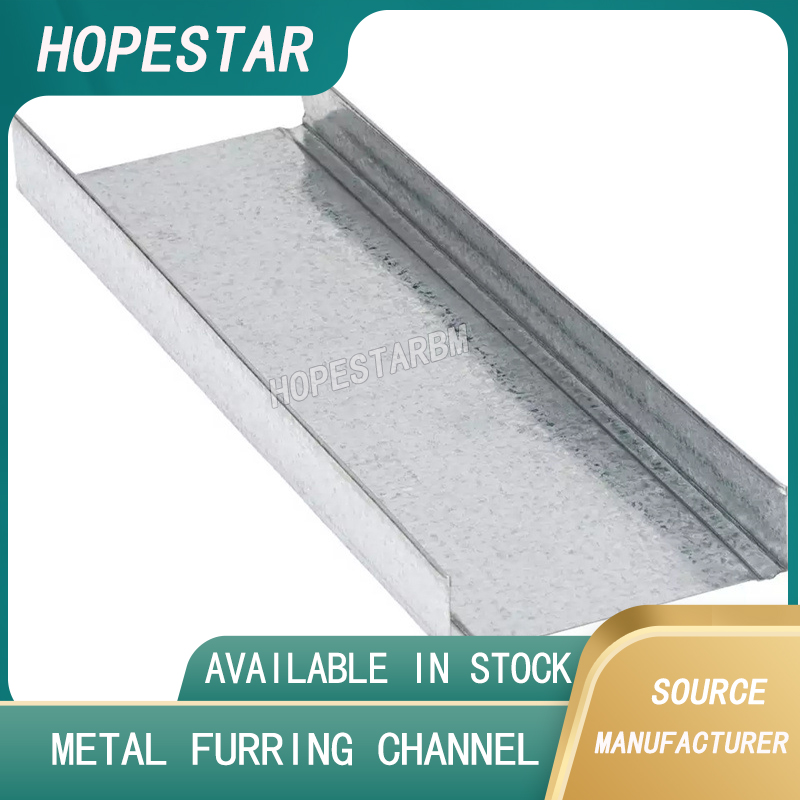
Metal furring channel for ceiling is a vital secondary framing component widely used in suspended ceiling and drywall ceiling systems. Roll-formed from cold-rolled galvanized steel, this lightweight metal profile works together with main channels, hangers and wall angles to create a level,
Metal Furring Channel for Ceiling – Galvanized Secondary Framing for Suspended Drywall Ceilings

Metal omega channel, also widely called omega furring channel or hat channel, is an indispensable secondary metal framing profile for modern suspended ceilings and drywall wall furring systems. Named after its distinctive Ω shape, this profile is roll-formed from cold-rolled galvanized steel
Metal Omega Channel – Galvanized Omega Furring Channel for Drywall Ceiling and Wall Framing