
wall furring channel
2024-07-08
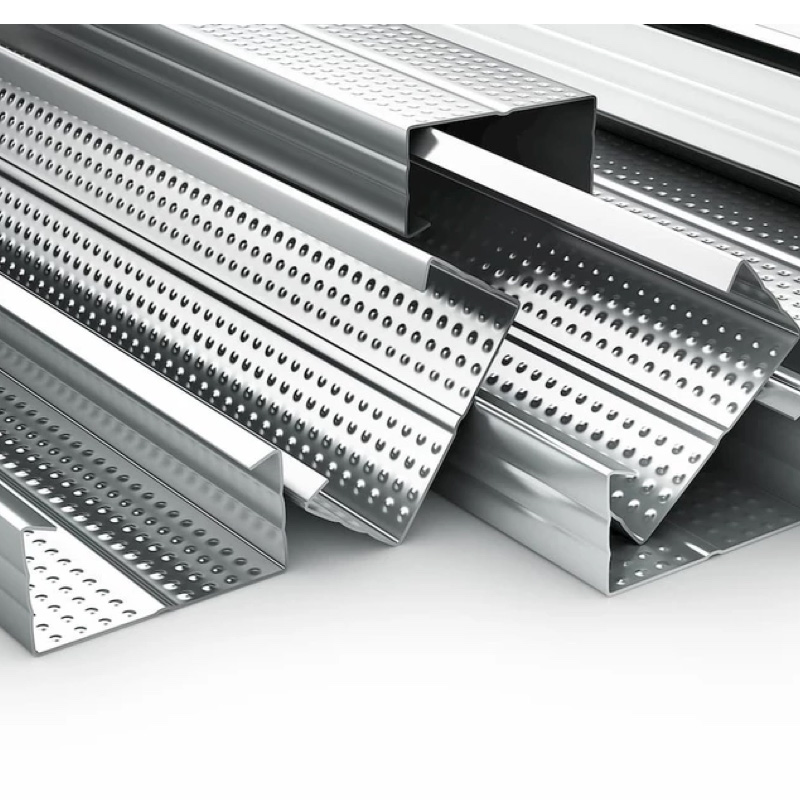
wall furring channel, It is a crucial element in the construction industry, especially in the construction of internal partitions and ceilings. The application of this material not only enhances the structural strength of buildings, but also brings great convenience to construction. This article will delve into the definition, function, application, installation steps, and development trends of wall filling channels in modern architecture.
1、 The Definition and Function of Wall Furring Channel
wall furring channel, Wall keel is a metal or plastic frame used to support and fix wall panels or ceiling panels. It is usually composed of C-shaped or U-shaped sections, which provide a solid foundation for subsequent panel installation by being fixed to walls or ceilings. The main functions of the wall filling channel include:
1. Support function: The wall filling channel can effectively support wall panels or ceiling panels, preventing them from deforming or falling off due to gravity or external forces.
2. Fixed function: Through the wall filling channel, wall panels or ceiling panels can be firmly fixed to the wall or ceiling, ensuring the flatness and stability of the entire wall.
3. Sound insulation: The gaps in the wall filling channel can be filled with sound insulation materials to improve the sound insulation performance of the wall.
2、 The application scope of wall filling channel
The wall filling channel is widely used in various types of buildings, including but not limited to:
1. Residential: In the interior decoration of residential buildings, wall filling channels are commonly used for the construction of non load-bearing walls, such as partition walls in bedrooms, living rooms, kitchens, and bathrooms.
2. Commercial space: In commercial spaces such as shopping malls, office buildings, hotels, etc., wall filling channels are used for the construction of suspended ceilings and partition walls to meet the functional requirements of different spaces.
3. Industrial plant: In industrial plants, wall filling channels are used to support and fix large equipment, pipelines, etc., ensuring the normal operation of the production line.
3、 Installation steps for wall filling channel
Installing a wall filling channel typically involves the following steps:
1. Measurement: First, measure the dimensions of the wall or ceiling to determine the installation position and quantity of the wall filling channel.
2. Marking: Mark the installation position of the wall filling channel on the wall or ceiling to ensure accurate installation.
3. Fixation: Use special tools to fix the wall filling channel to the wall or ceiling, ensuring it is firmly fixed.
4. Adjustment: Check the level and verticality of the wall filling channel, and make appropriate adjustments if necessary.
5. Board installation: Install wall panels or ceiling panels on the wall filling channel to ensure that the boards are flat and firm.
4、 The Development Trends of Wall Furring Channel in Modern Architecture
With the continuous development of the construction industry, the application of wall filling channels is also constantly innovating and improving. In the future, the development trend of wall filling channels will mainly be reflected in the following aspects:
1. Environmental protection and energy conservation: With the increasing awareness of environmental protection, more and more wall filling channels are starting to use environmentally friendly materials for manufacturing, such as recyclable metals, plastics, etc. At the same time, the gaps in the wall filling channel can be filled with more sound insulation materials, improving the energy-saving performance of the building.
2. Intelligence: With the popularization of smart homes, wall filling channels will gradually become intelligent. For example, through built-in sensors and control systems, the wall furring channel can monitor the status of wall panels or ceiling panels in real time and automatically adjust indoor temperature, humidity, and other parameters according to environmental changes.
3. Personalized customization: With the diversification of consumer needs, the demand for personalized customization of wall filling channels will gradually increase. Manufacturers can provide wall filling channels of different specifications, materials, and colors according to customer needs to meet their personalized needs.
4. Integration: In order to improve construction efficiency and quality, wall filling channels will gradually develop towards integration. For example, integrating wall filling channels with electrical wires, water pipes, and other pipelines to achieve one-time installation and wiring, reducing construction processes and time.
In summary, wall financing channels play a crucial role in the construction industry. By gaining a deeper understanding of its definition, functions, applications, installation steps, and development trends, we can better utilize the wall filling channel to improve the quality and performance of buildings, creating a more comfortable, safe, and environmentally friendly living and working environment for people.
1、 The Definition and Function of Wall Furring Channel
wall furring channel, Wall keel is a metal or plastic frame used to support and fix wall panels or ceiling panels. It is usually composed of C-shaped or U-shaped sections, which provide a solid foundation for subsequent panel installation by being fixed to walls or ceilings. The main functions of the wall filling channel include:
1. Support function: The wall filling channel can effectively support wall panels or ceiling panels, preventing them from deforming or falling off due to gravity or external forces.
2. Fixed function: Through the wall filling channel, wall panels or ceiling panels can be firmly fixed to the wall or ceiling, ensuring the flatness and stability of the entire wall.
3. Sound insulation: The gaps in the wall filling channel can be filled with sound insulation materials to improve the sound insulation performance of the wall.
2、 The application scope of wall filling channel
The wall filling channel is widely used in various types of buildings, including but not limited to:
1. Residential: In the interior decoration of residential buildings, wall filling channels are commonly used for the construction of non load-bearing walls, such as partition walls in bedrooms, living rooms, kitchens, and bathrooms.
2. Commercial space: In commercial spaces such as shopping malls, office buildings, hotels, etc., wall filling channels are used for the construction of suspended ceilings and partition walls to meet the functional requirements of different spaces.
3. Industrial plant: In industrial plants, wall filling channels are used to support and fix large equipment, pipelines, etc., ensuring the normal operation of the production line.
3、 Installation steps for wall filling channel
Installing a wall filling channel typically involves the following steps:
1. Measurement: First, measure the dimensions of the wall or ceiling to determine the installation position and quantity of the wall filling channel.
2. Marking: Mark the installation position of the wall filling channel on the wall or ceiling to ensure accurate installation.
3. Fixation: Use special tools to fix the wall filling channel to the wall or ceiling, ensuring it is firmly fixed.
4. Adjustment: Check the level and verticality of the wall filling channel, and make appropriate adjustments if necessary.
5. Board installation: Install wall panels or ceiling panels on the wall filling channel to ensure that the boards are flat and firm.
4、 The Development Trends of Wall Furring Channel in Modern Architecture
With the continuous development of the construction industry, the application of wall filling channels is also constantly innovating and improving. In the future, the development trend of wall filling channels will mainly be reflected in the following aspects:
1. Environmental protection and energy conservation: With the increasing awareness of environmental protection, more and more wall filling channels are starting to use environmentally friendly materials for manufacturing, such as recyclable metals, plastics, etc. At the same time, the gaps in the wall filling channel can be filled with more sound insulation materials, improving the energy-saving performance of the building.
2. Intelligence: With the popularization of smart homes, wall filling channels will gradually become intelligent. For example, through built-in sensors and control systems, the wall furring channel can monitor the status of wall panels or ceiling panels in real time and automatically adjust indoor temperature, humidity, and other parameters according to environmental changes.
3. Personalized customization: With the diversification of consumer needs, the demand for personalized customization of wall filling channels will gradually increase. Manufacturers can provide wall filling channels of different specifications, materials, and colors according to customer needs to meet their personalized needs.
4. Integration: In order to improve construction efficiency and quality, wall filling channels will gradually develop towards integration. For example, integrating wall filling channels with electrical wires, water pipes, and other pipelines to achieve one-time installation and wiring, reducing construction processes and time.
In summary, wall financing channels play a crucial role in the construction industry. By gaining a deeper understanding of its definition, functions, applications, installation steps, and development trends, we can better utilize the wall filling channel to improve the quality and performance of buildings, creating a more comfortable, safe, and environmentally friendly living and working environment for people.
furring channel vs resilient channel
z furring channels
Related Article

Ceiling wall angle, also known as perimeter angle or L-angle, is an indispensable L-shaped metal profile for suspended drywall ceiling systems. Roll-formed from cold-rolled galvanized steel, ceiling wall angle is fixed along the wall perimeter to support the ends of main channels and furring channels,
Ceiling Wall Angle – Galvanized L-Shaped Perimeter Trim for Suspended Drywall Ceilings
Galvanized steel profiles are the foundational metal framing components widely used in modern interior construction. Roll-formed from cold-rolled steel coated with protective zinc layer, galvanized steel profiles cover a full range of shapes including C studs, U tracks, omega channels,
Galvanized Steel Profiles – Reliable Cold Rolled Framing for Drywall Walls and Ceilings

Metal furring channel for ceiling is a vital secondary framing component widely used in suspended ceiling and drywall ceiling systems. Roll-formed from cold-rolled galvanized steel, this lightweight metal profile works together with main channels, hangers and wall angles to create a level,
Metal Furring Channel for Ceiling – Galvanized Secondary Framing for Suspended Drywall Ceilings

Metal omega channel, also widely called omega furring channel or hat channel, is an indispensable secondary metal framing profile for modern suspended ceilings and drywall wall furring systems. Named after its distinctive Ω shape, this profile is roll-formed from cold-rolled galvanized steel
Metal Omega Channel – Galvanized Omega Furring Channel for Drywall Ceiling and Wall Framing