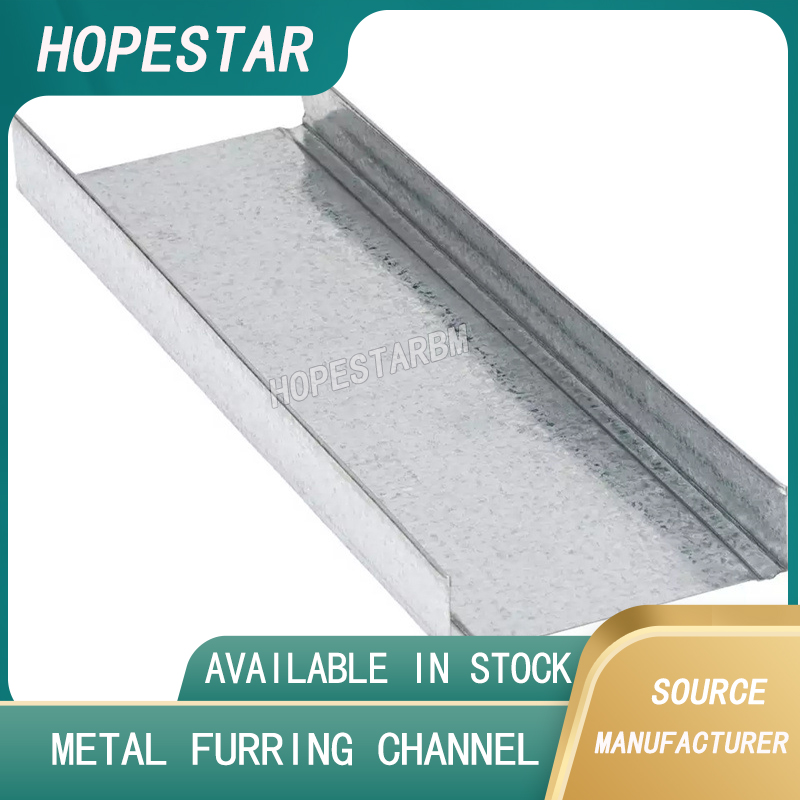
Understanding the Weight Capacity of Furring Channels
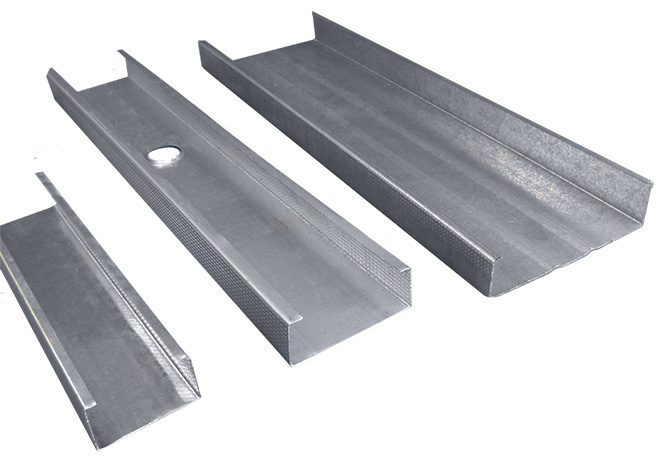
Furring channels play a vital role in construction,providing structural support and leveling surfaces like walls and ceilings.Understanding their weight capacity is crucial for ensuring the safety and stability of the overall structure.In this article,we will delve into the factors that influence the weight capacity of furring channels,along with considerations such as price and dimensions.
Furring channels,commonly made of steel or aluminum,are lightweight yet sturdy components used to create a framework for attaching finishing materials like drywall or panels.The weight capacity of a furring channel depends on various factors,including the material it's made of,its dimensions,and the method of installation.
Typically,furring channels are available in standard dimensions,such as 7/8 inch(22 mm)wide and 1-1/2 inch(38 mm)deep.These dimensions contribute to the overall strength and load-bearing capacity of the channel.However,it's essential to note that different manufacturers may offer variations in dimensions and specifications,so it's crucial to choose channels that meet the specific requirements of your project.
The weight capacity of a furring channel is also influenced by the spacing between channels and the method of attachment to the structural substrate.Closer spacing of channels provides greater support and distributes the weight more evenly,thereby increasing the overall weight capacity of the system.Additionally,proper attachment methods,such as using appropriate fasteners and ensuring secure anchoring to the substrate,are essential for maximizing the load-bearing capacity of furring channels.
When considering the weight capacity of furring channels,it's important to factor in the intended use and the weight of the finishing materials that will be attached to them.For example,if the furring channels will support heavy materials like large panels or cabinets,it's crucial to select channels with sufficient load-bearing capacity to accommodate the anticipated weight.
As for the price of furring channels,it can vary depending on factors such as material,dimensions,and manufacturer.Steel furring channels are generally more affordable compared to aluminum channels but may be susceptible to corrosion in certain environments.On the other hand,aluminum furring channels offer corrosion resistance and durability but may come at a higher price point.
In summary,the weight capacity of a furring channel is influenced by factors such as material,dimensions,spacing,and attachment method.Understanding these factors is essential for selecting the right channels for your project to ensure safety,stability,and optimal performance.Additionally,considering factors such as price and material durability can help you make informed decisions when choosing furring channels for your construction needs.
Exploring the Standard Size of Drywall Steel Furring Channels
Exploring the Most Common Suspended Ceiling System
Related Article