Understanding Metal Stud Deflection Track and Its Importance in Wall Systems
In modern construction, achieving structurally sound and visually appealing wall systems is crucial. One key component often overlooked is the metal stud deflection track, a specialized profile designed to accommodate vertical movement while maintaining wall integrity. Proper use of deflection tracks ensures that walls can handle building loads, thermal expansion, and structural shifts without cracking or buckling. Understanding their design, applications, and installation requirements is essential for contractors, engineers, and builders.
What Is a Metal Stud Deflection Track?
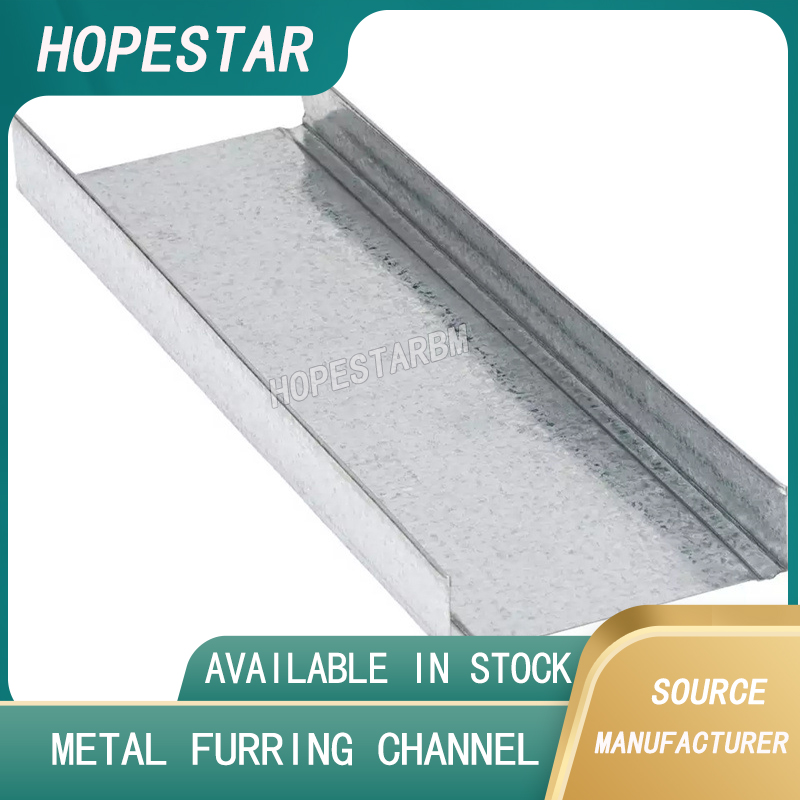
A metal stud deflection track is a horizontal steel channel installed at the base or top of a wall system, particularly in areas where structural movement is expected. Unlike standard tracks, deflection tracks allow the vertical studs to move independently within the channel. This flexibility prevents stress from transferring to the drywall, reducing the risk of cracks or wall failures caused by building settlement, thermal expansion, or wind loads.
Typically made from galvanized steel, deflection tracks are corrosion-resistant, lightweight, and compatible with standard steel stud sizes. They are engineered to provide a smooth surface for stud alignment while allowing controlled vertical movement.
Key Features and Benefits
-
Movement Accommodation
The primary benefit of a metal stud deflection track is its ability to absorb vertical movement in a structure. Whether in high-rise buildings, long-span walls, or multi-story constructions, deflection tracks reduce stress concentrations at critical points. -
Structural Integrity
By allowing studs to move without transferring forces to the wall finish, deflection tracks maintain overall wall integrity and durability. Drywall and other finishes remain smooth and intact, even when the building experiences settlement or vibration. -
Corrosion Resistance
Galvanized steel deflection tracks are resistant to rust and moisture, ensuring long-term performance in various environments, including humid climates and commercial buildings. -
Ease of Installation
Designed to work seamlessly with standard metal studs, deflection tracks are simple to install. Studs can be clipped or screwed into the track, allowing for quick alignment and consistent spacing. -
Versatility
Deflection tracks are suitable for a wide range of wall types, including load-bearing walls, partition walls, and high-rise curtain walls. They can be used in both interior and exterior applications.
Common Applications
-
Commercial High-Rise Buildings: In multi-story buildings, differential settlement between floors can stress wall systems. Deflection tracks allow for smooth movement, protecting finishes and improving longevity.
-
Long-Span Walls: For walls with large horizontal spans, deflection tracks prevent buckling and misalignment due to structural loads.
-
Seismic Zones: In areas prone to earthquakes, deflection tracks enhance wall performance by accommodating lateral and vertical building movement.
-
Curtain Wall Systems: Metal stud deflection tracks are often integrated into curtain walls to manage building sway without affecting the interior drywall finish.
Installation Guidelines
-
Correct Placement
Deflection tracks should be installed at the floor or ceiling, depending on wall design and structural movement direction. The studs slide within the track, allowing controlled vertical displacement. -
Proper Fastening
Use screws or clips recommended by the manufacturer to secure the track to structural elements. Avoid rigid connections that restrict movement. -
Stud Alignment
Ensure studs are positioned correctly within the track to allow free movement. Misaligned studs can reduce the track’s effectiveness and lead to wall damage. -
Allow for Movement Clearance
Check manufacturer specifications for the maximum vertical movement allowed and provide sufficient clearance to prevent binding.
Why Choose Metal Stud Deflection Tracks?
Selecting a high-quality metal stud deflection track is essential for long-term performance and safety. These tracks provide a reliable solution for walls exposed to dynamic loads, settlement, or thermal expansion. By allowing controlled movement, they prevent costly repairs, maintain wall aesthetics, and contribute to overall building stability.
Additionally, using deflection tracks aligns with modern building codes and standards, ensuring compliance in both residential and commercial projects. Builders can confidently construct walls that are resilient, durable, and visually seamless.
Conclusion
In summary, the metal stud deflection track is a critical component in contemporary wall systems. Its ability to accommodate vertical movement while maintaining structural integrity makes it indispensable in high-rise buildings, long-span walls, and seismic regions. Proper selection, placement, and installation of deflection tracks protect drywall finishes, improve wall longevity, and ensure safety and performance. Understanding the role of these tracks allows architects, engineers, and contractors to design wall systems that are both durable and flexible, meeting the demands of modern construction projects.
Exploring the Different Types of Metal Furring for Modern Construction
Choosing the Right Metal Hat Channel Sizes for Wall and Ceiling Systems
Related Article