Understanding Metal Hat Channel Sizes for Better Construction Performance
In the world of construction and interior framing, precision and durability are essential. Among the most versatile building components available today are metal hat channels, commonly used for ceiling framing, wall furring, and exterior cladding systems. Choosing the correct metal hat channel sizes is critical to ensuring structural integrity, soundproofing efficiency, and overall project success.
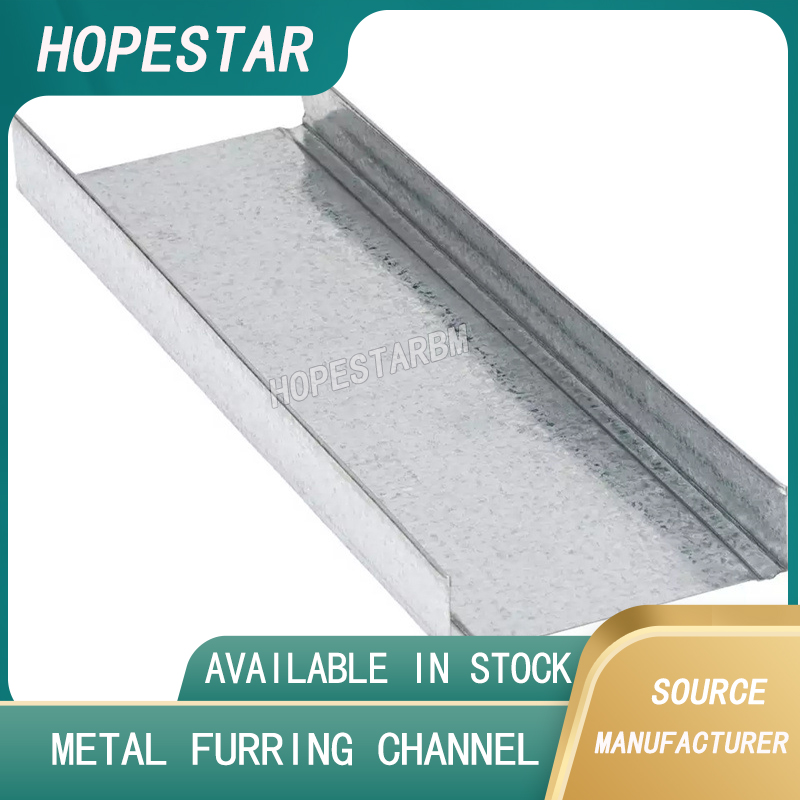
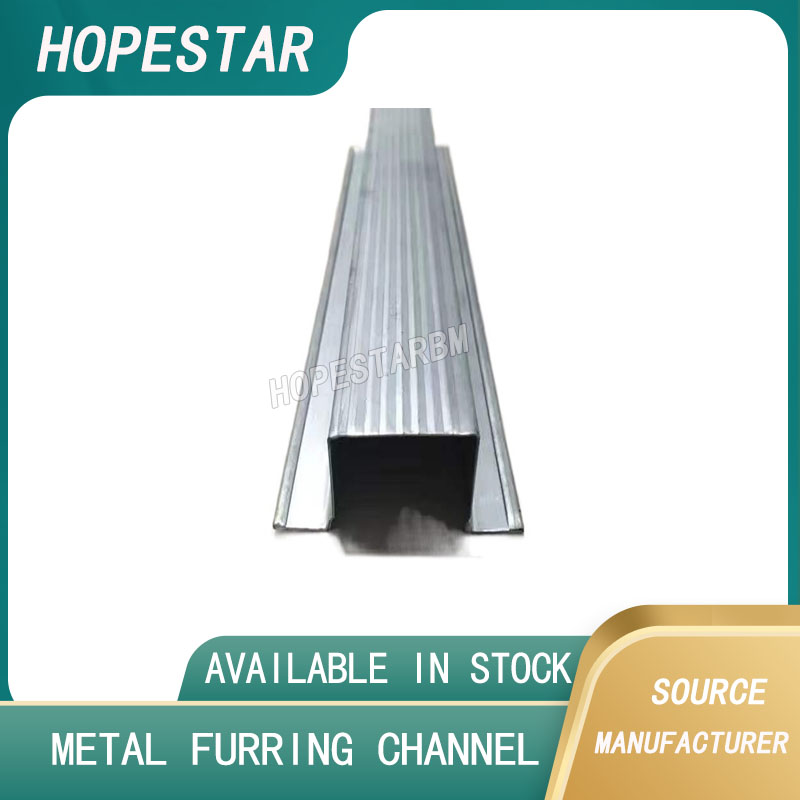
A metal hat channel gets its name from its distinctive hat-shaped cross-section, featuring a flat top and flared sides. These channels are usually made from galvanized steel or aluminum, providing excellent resistance to corrosion and deformation. The right metal hat channel sizes determine how much weight the channel can support, how it performs under stress, and how it integrates with other materials in a construction system.
Typical metal hat channel sizes range from 1/2 inch to 7/8 inch in depth, with widths between 1 inch and 3 inches. The thickness of the steel—also known as the gauge—usually varies from 25 to 20 gauge, depending on the load requirements. Lighter gauges are used for interior wall applications, while heavier gauges are preferred for structural ceilings or exterior cladding systems exposed to wind and weather.
Selecting the right size is not only about strength but also about compatibility with drywall and insulation. For example, smaller metal hat channel sizes are often used for interior furring applications to level walls and ceilings before attaching gypsum boards. Larger and heavier channels, on the other hand, provide additional rigidity and are ideal for areas that require more load-bearing capacity or soundproofing layers.
Another consideration when choosing metal hat channel sizes is spacing. The channels are typically installed horizontally or vertically at specific intervals, depending on the ceiling or wall design. Proper spacing and sizing ensure uniform load distribution and help prevent issues like sagging or cracking in drywall finishes.
Besides their structural benefits, metal hat channels play an important role in improving building performance. They create an air gap between the surface and the wall or ceiling, which enhances insulation and reduces sound transmission. This makes them ideal for modern projects where energy efficiency and acoustic comfort are key design goals.
Additionally, the use of correctly sized hat channels makes installation faster and easier. Their standardized dimensions allow them to integrate seamlessly with metal studs, tracks, and other framing components. Builders can cut them to length on-site, ensuring flexibility and precision during construction.
In conclusion, understanding metal hat channel sizes is crucial for achieving a balance between strength, stability, and performance in any construction project. Whether you’re working on commercial, industrial, or residential buildings, selecting the proper size ensures a smooth installation, longer lifespan, and superior results. A well-chosen metal hat channel system not only supports the structure but also enhances comfort, safety, and overall building quality.
The Role of Drywall Furring Hat Channel in Creating Strong and Smooth Interior Surfaces
Ceiling Framing Using Metal Furring: A Modern Approach to Strong and Smooth Ceilings
Related Article