Understanding Metal Furring Channel Sizes for Modern Construction Efficiency
When it comes to interior wall and ceiling framing, metal furring channel sizes play a vital role in achieving strength, alignment, and durability. These channels are widely used in both commercial and residential construction to provide a stable framework for drywall, plaster, or other finishing materials. Choosing the right metal furring channel sizes ensures structural performance and ease of installation.
What Are Metal Furring Channels?
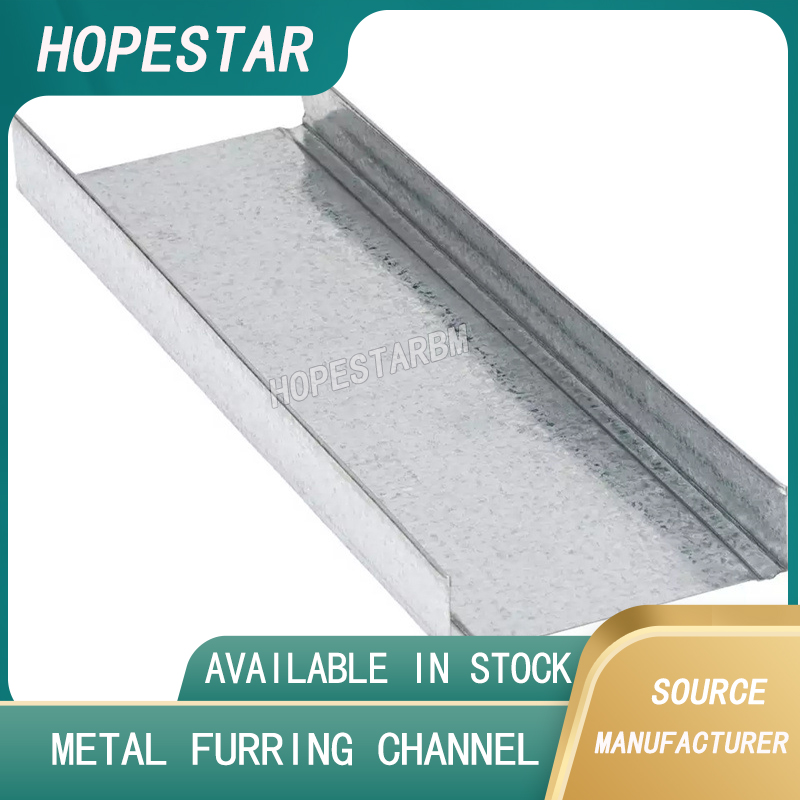
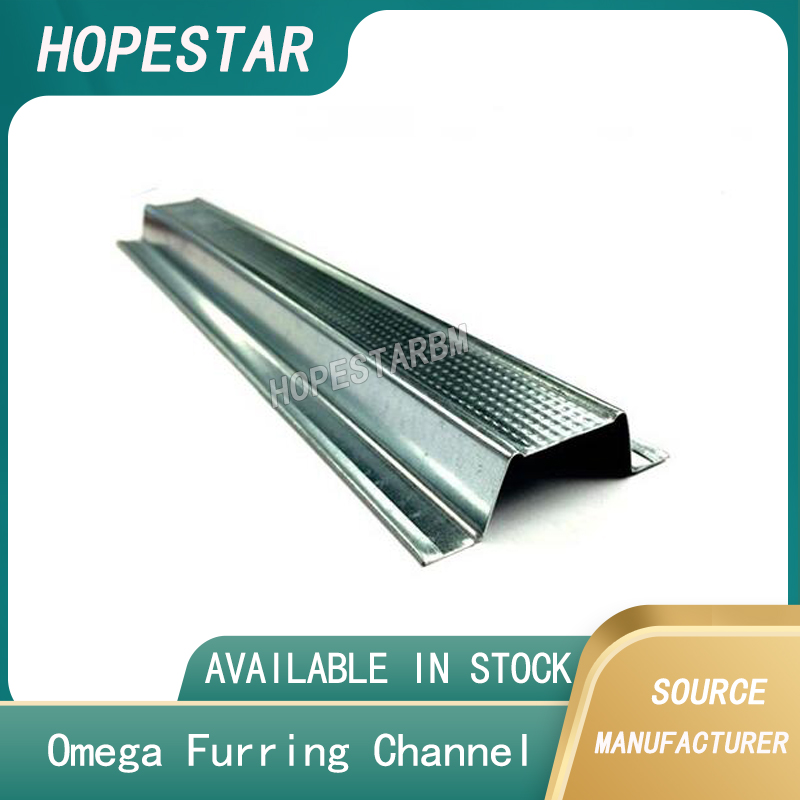
Metal furring channels are lightweight steel sections used to level or support surfaces where drywall or ceiling panels are attached. Their unique hat-shaped or “Z” profile offers high rigidity with minimal weight, which makes them ideal for suspending ceilings or framing non-load-bearing partitions. The correct metal furring channel size enhances the flatness and precision of interior finishes.
Common Metal Furring Channel Sizes
Manufacturers produce metal furring channels in several standard sizes to accommodate different project requirements. Typical dimensions include:
-
Widths ranging from 16mm to 75mm
-
Heights from 25mm to 40mm
-
Thickness between 0.5mm to 1.2mm
The selection of metal furring channel sizes depends on the application—smaller sizes are used for light-duty installations, while larger profiles are suited for heavy cladding or acoustic ceilings.
Applications and Benefits
Using the proper metal furring channel size helps achieve superior soundproofing, moisture resistance, and fire safety. These channels are commonly used in:
-
Drywall ceiling systems
-
Wall linings and partitions
-
Acoustic and thermal insulation frameworks
-
Exterior façade substructures
In addition, galvanized steel furring channels resist corrosion, ensuring long-term stability and minimal maintenance.
Choosing the Right Size
Selecting the best metal furring channel sizes involves evaluating load requirements, spacing, ceiling height, and finish material. Consulting manufacturer specifications and building standards is crucial to ensure safety and performance.
Conclusion
In modern construction, metal furring channel sizes significantly affect structural quality, installation efficiency, and overall aesthetic results. By understanding and choosing the correct dimensions, builders can ensure stronger, longer-lasting, and visually flawless interiors.
The Essential Guide to Metal Furring Channel: Structure, Benefits, and Applications
Why Metal Building Hat Channel Is the Key to Strong and Durable Structures
Related Article