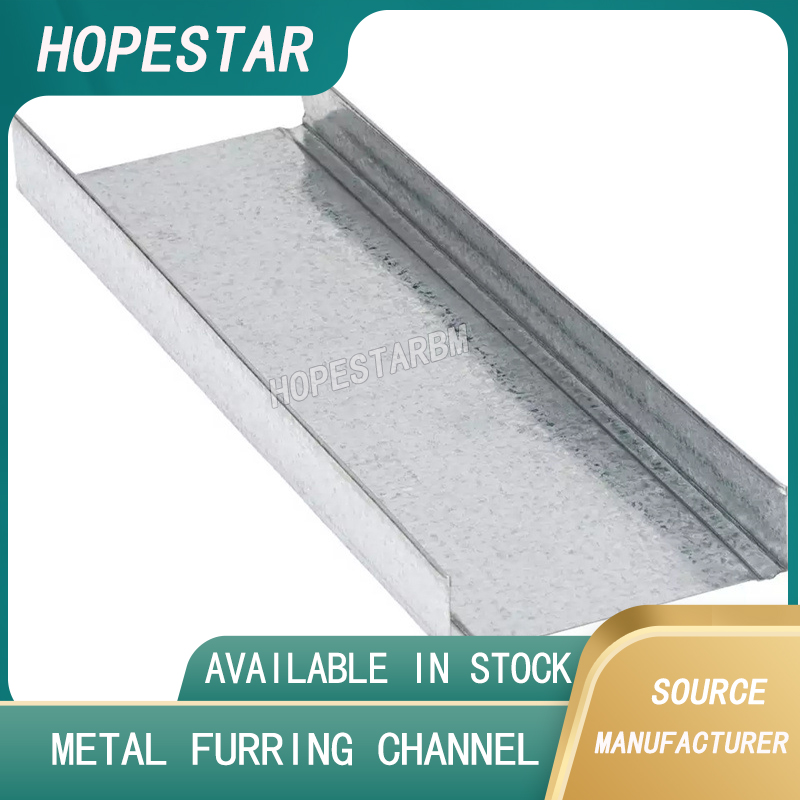
Understanding Hat Channel Sizes and Their Role in Construction Systems
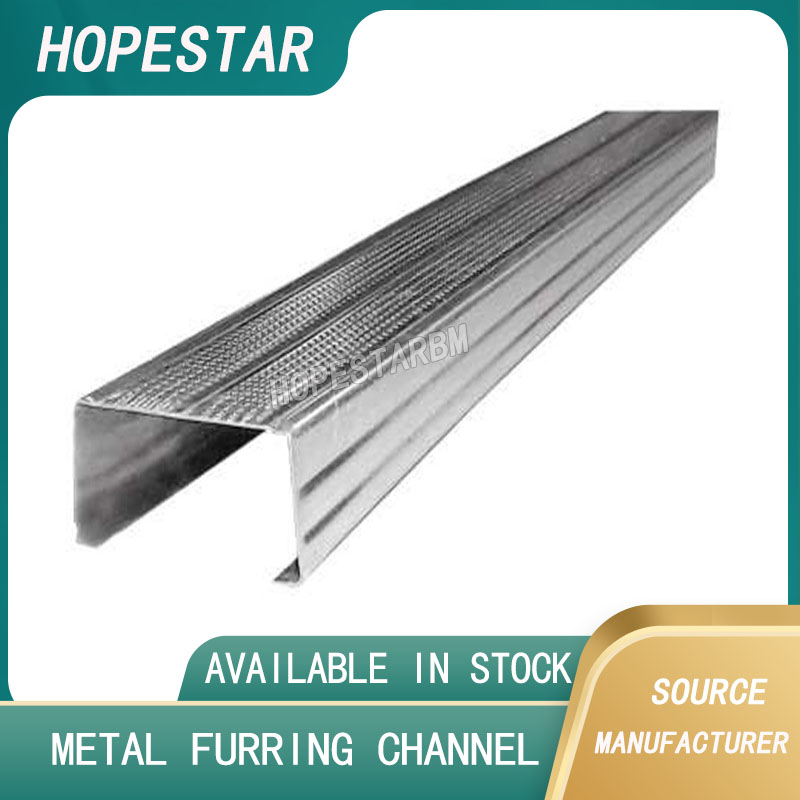
In modern construction, hat channels are essential components for creating durable, level, and moisture-resistant wall and ceiling assemblies. Among the most important aspects to consider when selecting these profiles are the hat channel sizes, as they directly influence the performance, installation method, and compatibility of the overall framing system. Choosing the right size ensures structural stability, acoustic control, and proper alignment in both residential and commercial projects.
What Are Hat Channels?
A hat channel is a cold-rolled metal framing member that features a unique “hat-shaped” cross-section — wider at the top with flanges that slope down and out. This design provides strength and rigidity while allowing easy attachment of drywall, plasterboard, or cladding materials. Hat channels are typically manufactured from galvanized steel or aluminum, depending on the environmental requirements of the project.
They are widely used in wall furring, ceiling suspension systems, and exterior façade assemblies. The choice of hat channel size determines the load capacity, spacing, and overall finish quality of the construction.
Common Hat Channel Sizes
Hat channels are available in a range of sizes to meet diverse project needs. Standard hat channel sizes typically vary in:
-
Width: 25mm to 75mm (1" to 3")
-
Depth: 13mm to 38mm (½" to 1½")
-
Thickness (Gauge): 0.5mm to 1.2mm (25 to 20 gauge)
-
Length: Usually 8 to 12 feet, though custom lengths are also available.
Smaller sizes, such as 25mm or 30mm, are ideal for interior drywall applications, while deeper channels like 38mm or 50mm provide greater strength for ceilings or exterior walls.
How to Choose the Right Hat Channel Size
Selecting the appropriate hat channel size depends on several factors:
-
Type of Application
-
For interior walls, smaller hat channels (13–25mm depth) are usually sufficient.
-
For suspended ceilings or external facades, larger channels (38mm–50mm) offer greater stability and spacing efficiency.
-
-
Load Requirements
Consider the weight of the materials being supported. Heavy panels, soundproof drywall, or double-layer boards require thicker and deeper channels. -
Spacing and Span
The wider the span between supports, the deeper the hat channel should be to prevent sagging or deformation. -
Environmental Conditions
In humid or coastal regions, galvanized or aluminum hat channels with corrosion-resistant coatings are preferred for longevity.
Benefits of Using Correct Hat Channel Sizes
Using the right hat channel size ensures optimal performance and reduces maintenance needs over time. Here are some of the main benefits:
-
Enhanced Structural Integrity: Proper sizing distributes loads evenly, minimizing the risk of cracking or warping.
-
Improved Acoustic Control: Larger hat channels combined with insulation materials help isolate sound between rooms.
-
Thermal Efficiency: Proper spacing and channel depth allow for better insulation placement, improving energy performance.
-
Smooth Finishing Surface: Correct sizing helps achieve perfectly level walls and ceilings, reducing the need for extra finishing work.
-
Quick Installation: Standardized dimensions make installation faster and more consistent across large projects.
Applications of Hat Channel Systems
-
Drywall Framing – To create even surfaces for attaching plasterboard and panels.
-
Ceiling Suspension – As part of drop ceiling systems that require precise alignment and support.
-
Exterior Cladding Support – For attaching façade panels while maintaining ventilation gaps.
-
Soundproof Walls – When combined with resilient clips, hat channels isolate noise transmission effectively.
Installation Tips for Different Hat Channel Sizes
-
Use smaller channels for tight spaces and interior refurbishments.
-
Install deeper hat channels in areas requiring higher load capacity or longer spans.
-
Always check manufacturer guidelines for recommended spacing and fasteners.
-
When cutting hat channels, ensure edges are smooth to prevent corrosion or board damage.
Why Hat Channel Size Matters in Modern Building Design
The right hat channel size not only affects performance but also determines cost-efficiency and build quality. Builders who understand the relationship between channel depth, gauge, and spacing can optimize materials while maintaining compliance with safety standards. Proper selection contributes to quieter, stronger, and more energy-efficient spaces.
Conclusion
In summary, understanding hat channel sizes is crucial for achieving professional-quality results in both residential and commercial construction. From lightweight interior walls to heavy-duty ceiling systems, selecting the correct depth, width, and thickness ensures stability, safety, and longevity. Whether you are working on a new build or a renovation project, choosing the right hat channel size will make a significant difference in the structural and aesthetic outcome of your project.
Choosing the Right Metal Hat Channel Sizes for Wall and Ceiling Systems
Advantages and Applications of 28mm Furring Channel in Modern Construction
Related Article