
Types of metal furring
2024-05-29
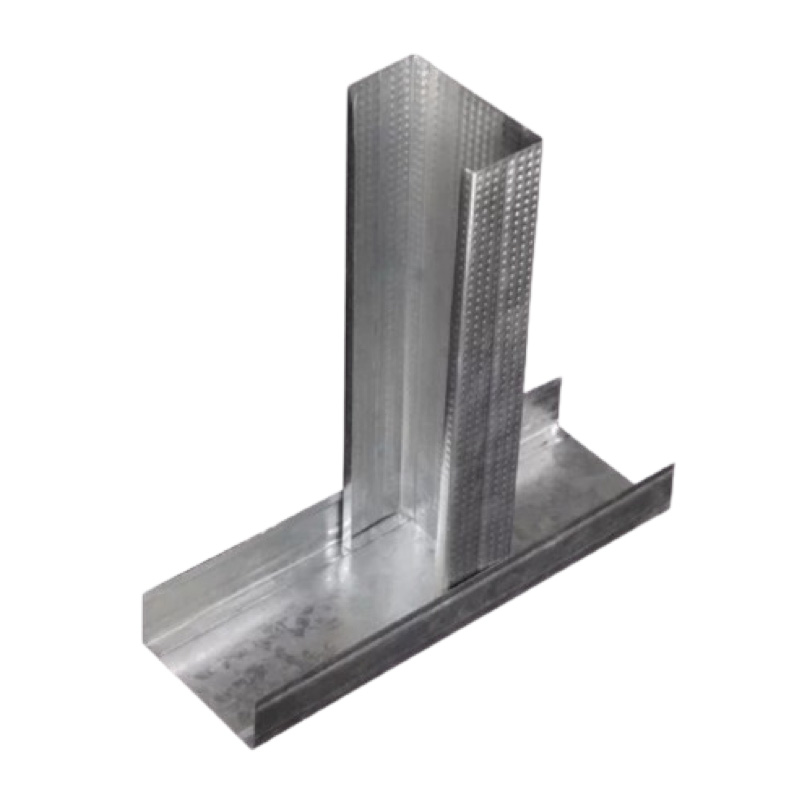
Metal ceiling keel, as a widely used component in the construction industry, has a variety of types and functions. In this article, we will delve into different types of metal ceiling keels and their applications in architecture.
Firstly, let's talk about the most common C-shaped ceiling keel. The C-shaped ceiling keel is named after its unique C-shaped cross-section, which has high strength and stability and can withstand large loads. During the installation process of the ceiling, the C-shaped ceiling keel can be easily connected to the ceiling panel, forming a flat and beautiful ceiling effect. In addition, the C-type ceiling keel also has excellent fire and corrosion resistance, which can adapt to various complex usage environments.
In addition to C-shaped ceiling keel, U-shaped ceiling keel is also a common type in the market. The U-shaped ceiling keel has a U-shaped cross-section, which is characterized by good elasticity and toughness, and can adapt to the expansion and contraction changes of the ceiling panel. Therefore, in ceiling projects that require high flexibility and adaptability, U-shaped ceiling keels are often the preferred choice. In addition, the U-shaped ceiling keel also has the advantages of easy installation and beautiful appearance, which can meet the dual needs of modern architecture for aesthetics and practicality.
In addition to the two common types of ceiling keel mentioned above, there are also various types of T-shaped ceiling keel and L-shaped ceiling keel on the market. The T-shaped ceiling keel has a T-shaped cross-section and good load-bearing capacity and stability, making it suitable for large-scale ceiling projects. The L-shaped ceiling keel is named after its L-shaped cross-section, which has the characteristics of easy installation and simple structure, and is suitable for small ceiling projects.
The selection of metal ceiling keel needs to be determined based on the specific usage environment and ceiling requirements. For example, in situations where large loads need to be borne, C-shaped or T-shaped ceiling keels with high strength and stability should be selected; In situations where high flexibility and adaptability are required, U-shaped ceiling keel or L-shaped ceiling keel can be chosen.
In addition, the installation quality of metal ceiling keel is also one of the key factors affecting the effectiveness of the ceiling. During the installation process, it should be ensured that the connection between the ceiling keel and the ceiling panel is firm and flat, to avoid problems such as looseness and misalignment. At the same time, attention should also be paid to the spacing and arrangement of the ceiling keel to ensure the overall flatness and aesthetics of the ceiling.
With the continuous development of the construction industry, the types and applications of metal ceiling keel are also constantly innovating and expanding. In the future, with the continuous emergence of new materials and processes, the performance and appearance of metal ceiling keel will be further improved, bringing more choices and possibilities to the construction industry.
In short, metal ceiling keel, as an indispensable component in ceiling engineering, has a wide variety of types and functions. When selecting and using metal ceiling keel, the appropriate type should be determined based on the specific usage environment and ceiling requirements, and attention should be paid to installation quality to ensure the aesthetics, practicality, and safety of the ceiling project.
Firstly, let's talk about the most common C-shaped ceiling keel. The C-shaped ceiling keel is named after its unique C-shaped cross-section, which has high strength and stability and can withstand large loads. During the installation process of the ceiling, the C-shaped ceiling keel can be easily connected to the ceiling panel, forming a flat and beautiful ceiling effect. In addition, the C-type ceiling keel also has excellent fire and corrosion resistance, which can adapt to various complex usage environments.
In addition to C-shaped ceiling keel, U-shaped ceiling keel is also a common type in the market. The U-shaped ceiling keel has a U-shaped cross-section, which is characterized by good elasticity and toughness, and can adapt to the expansion and contraction changes of the ceiling panel. Therefore, in ceiling projects that require high flexibility and adaptability, U-shaped ceiling keels are often the preferred choice. In addition, the U-shaped ceiling keel also has the advantages of easy installation and beautiful appearance, which can meet the dual needs of modern architecture for aesthetics and practicality.
In addition to the two common types of ceiling keel mentioned above, there are also various types of T-shaped ceiling keel and L-shaped ceiling keel on the market. The T-shaped ceiling keel has a T-shaped cross-section and good load-bearing capacity and stability, making it suitable for large-scale ceiling projects. The L-shaped ceiling keel is named after its L-shaped cross-section, which has the characteristics of easy installation and simple structure, and is suitable for small ceiling projects.
The selection of metal ceiling keel needs to be determined based on the specific usage environment and ceiling requirements. For example, in situations where large loads need to be borne, C-shaped or T-shaped ceiling keels with high strength and stability should be selected; In situations where high flexibility and adaptability are required, U-shaped ceiling keel or L-shaped ceiling keel can be chosen.
In addition, the installation quality of metal ceiling keel is also one of the key factors affecting the effectiveness of the ceiling. During the installation process, it should be ensured that the connection between the ceiling keel and the ceiling panel is firm and flat, to avoid problems such as looseness and misalignment. At the same time, attention should also be paid to the spacing and arrangement of the ceiling keel to ensure the overall flatness and aesthetics of the ceiling.
With the continuous development of the construction industry, the types and applications of metal ceiling keel are also constantly innovating and expanding. In the future, with the continuous emergence of new materials and processes, the performance and appearance of metal ceiling keel will be further improved, bringing more choices and possibilities to the construction industry.
In short, metal ceiling keel, as an indispensable component in ceiling engineering, has a wide variety of types and functions. When selecting and using metal ceiling keel, the appropriate type should be determined based on the specific usage environment and ceiling requirements, and attention should be paid to installation quality to ensure the aesthetics, practicality, and safety of the ceiling project.
18 gauge hat channel
furring channel sizes
Related Article

Ceiling wall angle, also known as perimeter angle or L-angle, is an indispensable L-shaped metal profile for suspended drywall ceiling systems. Roll-formed from cold-rolled galvanized steel, ceiling wall angle is fixed along the wall perimeter to support the ends of main channels and furring channels,
Ceiling Wall Angle – Galvanized L-Shaped Perimeter Trim for Suspended Drywall Ceilings

Galvanized steel profiles are the foundational metal framing components widely used in modern interior construction. Roll-formed from cold-rolled steel coated with protective zinc layer, galvanized steel profiles cover a full range of shapes including C studs, U tracks, omega channels,
Galvanized Steel Profiles – Reliable Cold Rolled Framing for Drywall Walls and Ceilings

Metal furring channel for ceiling is a vital secondary framing component widely used in suspended ceiling and drywall ceiling systems. Roll-formed from cold-rolled galvanized steel, this lightweight metal profile works together with main channels, hangers and wall angles to create a level,
Metal Furring Channel for Ceiling – Galvanized Secondary Framing for Suspended Drywall Ceilings

Metal omega channel, also widely called omega furring channel or hat channel, is an indispensable secondary metal framing profile for modern suspended ceilings and drywall wall furring systems. Named after its distinctive Ω shape, this profile is roll-formed from cold-rolled galvanized steel
Metal Omega Channel – Galvanized Omega Furring Channel for Drywall Ceiling and Wall Framing