
types of metal furring introduce
2024-03-25
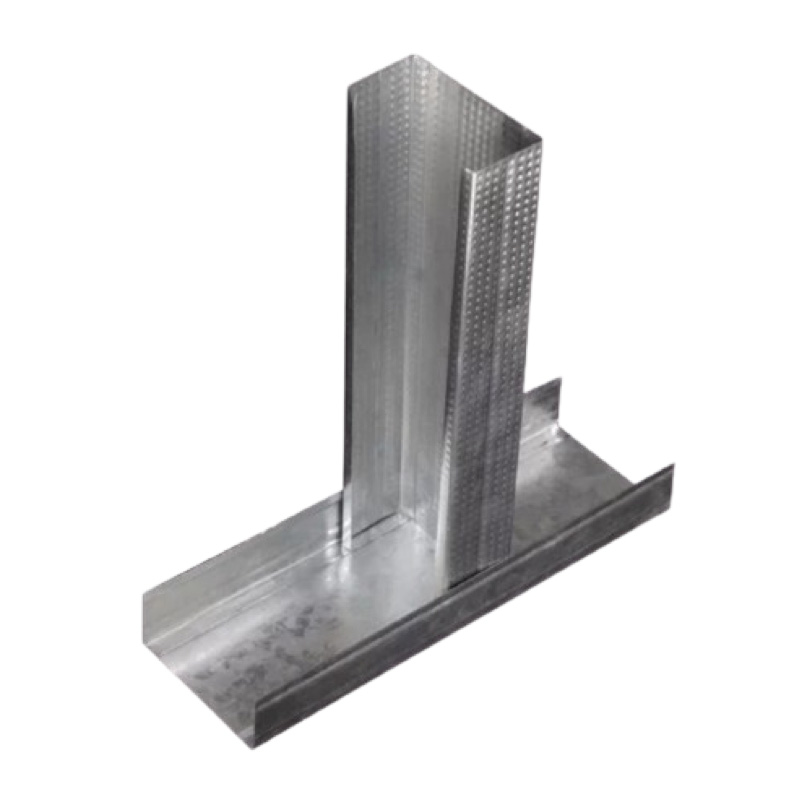
Metal keel, as an important support and fixing structure in the construction industry, is widely used in various fields such as suspended ceilings, partitions, and wall decoration. They play an irreplaceable role in building decoration engineering due to their unique advantages such as high strength, corrosion resistance, and ease of processing. This article will provide a detailed introduction to the types, characteristics, and applications of metal keels.
1、 Types of metal keel
Metal keel can be divided into various types according to material, such as iron keel, aluminum keel, stainless steel keel, etc. Among them, iron keel is the most common type, with good strength and stability, suitable for various ceiling and partition projects. Aluminum keel, with its lightweight and corrosion-resistant characteristics, is widely used in some engineering projects that have special requirements for weight and appearance. Stainless steel keel is widely used in some high-end building decoration projects due to its high strength, wear resistance, and elegant appearance.
2、 The characteristics of metal keel
1. High strength: Metal keel has high strength and stability, which can withstand large loads and vibrations, ensuring the stability and safety of structures such as ceilings and partitions.
2. Corrosion resistance: The surface of the metal keel has undergone special treatment, which has good corrosion resistance and can adapt to various complex environmental conditions, extending its service life.
3. Easy to process: The metal keel has good plasticity and processing performance, and can be processed by bending, cutting, welding, and other processes as needed to meet various complex installation requirements.
4. Beautiful and generous: The metal keel has a beautiful and generous appearance, which can match various decorative materials and styles, improving the overall decoration effect.
3、 The application of metal keel
1. Ceiling engineering: Metal keel is an important supporting structure in ceiling engineering, which can be used for fixing and supporting various ceiling materials, such as gypsum board, aluminum buckle board, PVC board, etc. They can not only bear the weight of the ceiling material, but also effectively prevent deformation and detachment of the ceiling material.
2. Partition engineering: Metal keel is also widely used in partition engineering, such as glass partitions, board partitions, etc. They can effectively separate spaces, improve space utilization, and also increase the overall aesthetics and practicality of the decoration.
3. Wall decoration: Metal keel can also be used for wall decoration projects, such as wall hanging panels, wall lines, etc. They can not only increase the three-dimensional and layered feel of the wall, but also improve the load-bearing capacity and stability of the wall.
4、 Selection and installation of metal keel
When selecting metal keel, it is necessary to comprehensively consider the actual engineering needs and decoration style. Meanwhile, during the installation process, it is necessary to follow the corresponding construction specifications and installation requirements to ensure the installation quality and stability of the metal keel. During the installation process, it is also necessary to pay attention to the protection and maintenance of the metal keel to avoid damage and corrosion.
In summary, metal keel, as an important support and fixing structure in building decoration engineering, has various advantages and a wide range of applications. When selecting and using metal keel, it is necessary to fully consider its type, characteristics, and application requirements, follow corresponding construction specifications and installation requirements, and ensure the quality and safety of the project.
1、 Types of metal keel
Metal keel can be divided into various types according to material, such as iron keel, aluminum keel, stainless steel keel, etc. Among them, iron keel is the most common type, with good strength and stability, suitable for various ceiling and partition projects. Aluminum keel, with its lightweight and corrosion-resistant characteristics, is widely used in some engineering projects that have special requirements for weight and appearance. Stainless steel keel is widely used in some high-end building decoration projects due to its high strength, wear resistance, and elegant appearance.
2、 The characteristics of metal keel
1. High strength: Metal keel has high strength and stability, which can withstand large loads and vibrations, ensuring the stability and safety of structures such as ceilings and partitions.
2. Corrosion resistance: The surface of the metal keel has undergone special treatment, which has good corrosion resistance and can adapt to various complex environmental conditions, extending its service life.
3. Easy to process: The metal keel has good plasticity and processing performance, and can be processed by bending, cutting, welding, and other processes as needed to meet various complex installation requirements.
4. Beautiful and generous: The metal keel has a beautiful and generous appearance, which can match various decorative materials and styles, improving the overall decoration effect.
3、 The application of metal keel
1. Ceiling engineering: Metal keel is an important supporting structure in ceiling engineering, which can be used for fixing and supporting various ceiling materials, such as gypsum board, aluminum buckle board, PVC board, etc. They can not only bear the weight of the ceiling material, but also effectively prevent deformation and detachment of the ceiling material.
2. Partition engineering: Metal keel is also widely used in partition engineering, such as glass partitions, board partitions, etc. They can effectively separate spaces, improve space utilization, and also increase the overall aesthetics and practicality of the decoration.
3. Wall decoration: Metal keel can also be used for wall decoration projects, such as wall hanging panels, wall lines, etc. They can not only increase the three-dimensional and layered feel of the wall, but also improve the load-bearing capacity and stability of the wall.
4、 Selection and installation of metal keel
When selecting metal keel, it is necessary to comprehensively consider the actual engineering needs and decoration style. Meanwhile, during the installation process, it is necessary to follow the corresponding construction specifications and installation requirements to ensure the installation quality and stability of the metal keel. During the installation process, it is also necessary to pay attention to the protection and maintenance of the metal keel to avoid damage and corrosion.
In summary, metal keel, as an important support and fixing structure in building decoration engineering, has various advantages and a wide range of applications. When selecting and using metal keel, it is necessary to fully consider its type, characteristics, and application requirements, follow corresponding construction specifications and installation requirements, and ensure the quality and safety of the project.
What is a light steel keel? What are the advantages of light steel keel?
Australia metal furring ceiling price
Related Article

Ceiling wall angle, also known as perimeter angle or L-angle, is an indispensable L-shaped metal profile for suspended drywall ceiling systems. Roll-formed from cold-rolled galvanized steel, ceiling wall angle is fixed along the wall perimeter to support the ends of main channels and furring channels,
Ceiling Wall Angle – Galvanized L-Shaped Perimeter Trim for Suspended Drywall Ceilings
Galvanized steel profiles are the foundational metal framing components widely used in modern interior construction. Roll-formed from cold-rolled steel coated with protective zinc layer, galvanized steel profiles cover a full range of shapes including C studs, U tracks, omega channels,
Galvanized Steel Profiles – Reliable Cold Rolled Framing for Drywall Walls and Ceilings

Metal furring channel for ceiling is a vital secondary framing component widely used in suspended ceiling and drywall ceiling systems. Roll-formed from cold-rolled galvanized steel, this lightweight metal profile works together with main channels, hangers and wall angles to create a level,
Metal Furring Channel for Ceiling – Galvanized Secondary Framing for Suspended Drywall Ceilings

Metal omega channel, also widely called omega furring channel or hat channel, is an indispensable secondary metal framing profile for modern suspended ceilings and drywall wall furring systems. Named after its distinctive Ω shape, this profile is roll-formed from cold-rolled galvanized steel
Metal Omega Channel – Galvanized Omega Furring Channel for Drywall Ceiling and Wall Framing