
Treatment method for unqualified inspection of galvanized layer on light steel keel
2024-06-20
1) Reasons for unqualified testing
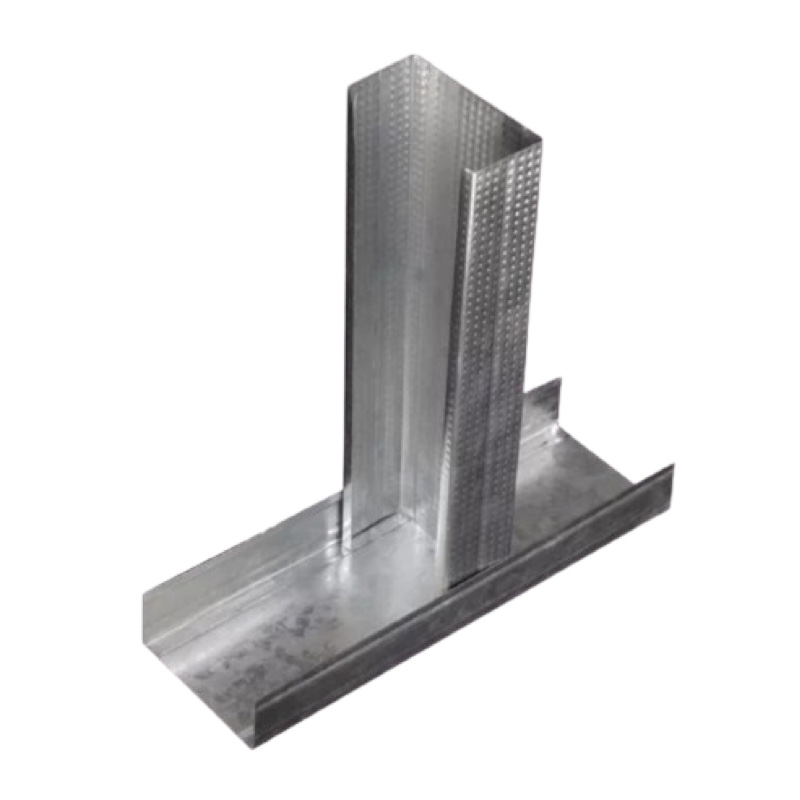
During the use of light steel keel, there may be damage to the galvanized layer or substandard quality, leading to unqualified testing. This situation may be caused by quality issues with the material itself, damage during transportation, improper operation during installation, and other reasons.
2) Handling method
1. Replace the unqualified keel
Once it is found that the galvanized layer of some light steel keel is found to be unqualified, it needs to be replaced in a timely manner to ensure construction quality. The replacement keel should meet the corresponding standards and maintain consistency in material and specifications.
2. Repair unqualified keel
If the number of unqualified light steel keel is small, it can be repaired. For example, the rust on the surface of the keel can be removed, and the galvanized layer can be repaired by means of repainting, painting, spraying, etc. But it also needs to be retested after repair to ensure its quality meets the standards.
3. Strengthen testing
For the inspection of the galvanized layer of light steel keel, it is recommended that the construction unit and supervision unit strengthen the inspection methods and frequency, and try to inspect the materials before, during, and after construction as much as possible. This helps to detect problems early and take timely and effective measures to avoid unnecessary impacts on the construction project.
3) Conclusion
Light steel keel is an indispensable material in construction engineering, and its quality directly affects the stability and safety of buildings. Therefore, for the situation where the galvanized layer of light steel keel fails to pass the inspection, it is necessary to deal with it in a timely manner and adopt effective methods to ensure the quality of the project. At the same time, it is necessary to strengthen construction management and material testing to avoid similar problems as much as possible.
During the use of light steel keel, there may be damage to the galvanized layer or substandard quality, leading to unqualified testing. This situation may be caused by quality issues with the material itself, damage during transportation, improper operation during installation, and other reasons.
2) Handling method
1. Replace the unqualified keel
Once it is found that the galvanized layer of some light steel keel is found to be unqualified, it needs to be replaced in a timely manner to ensure construction quality. The replacement keel should meet the corresponding standards and maintain consistency in material and specifications.
2. Repair unqualified keel
If the number of unqualified light steel keel is small, it can be repaired. For example, the rust on the surface of the keel can be removed, and the galvanized layer can be repaired by means of repainting, painting, spraying, etc. But it also needs to be retested after repair to ensure its quality meets the standards.
3. Strengthen testing
For the inspection of the galvanized layer of light steel keel, it is recommended that the construction unit and supervision unit strengthen the inspection methods and frequency, and try to inspect the materials before, during, and after construction as much as possible. This helps to detect problems early and take timely and effective measures to avoid unnecessary impacts on the construction project.
3) Conclusion
Light steel keel is an indispensable material in construction engineering, and its quality directly affects the stability and safety of buildings. Therefore, for the situation where the galvanized layer of light steel keel fails to pass the inspection, it is necessary to deal with it in a timely manner and adopt effective methods to ensure the quality of the project. At the same time, it is necessary to strengthen construction management and material testing to avoid similar problems as much as possible.
How to distinguish high-quality light steel keel
Detailed explanation of the main testing items for light steel keel
Related Article

Ceiling wall angle, also known as perimeter angle or L-angle, is an indispensable L-shaped metal profile for suspended drywall ceiling systems. Roll-formed from cold-rolled galvanized steel, ceiling wall angle is fixed along the wall perimeter to support the ends of main channels and furring channels,
Ceiling Wall Angle – Galvanized L-Shaped Perimeter Trim for Suspended Drywall Ceilings
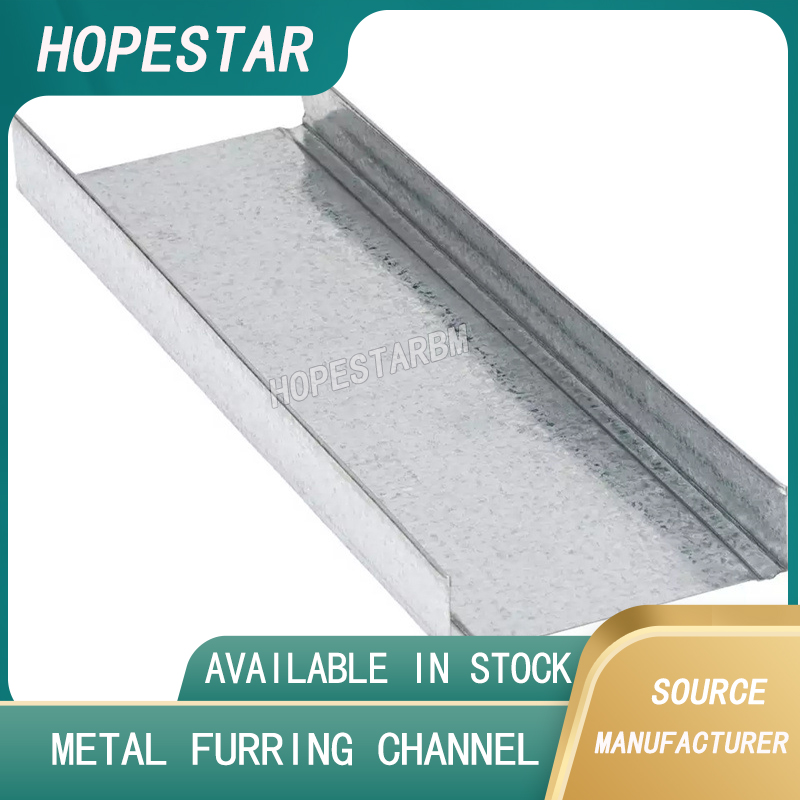
Galvanized steel profiles are the foundational metal framing components widely used in modern interior construction. Roll-formed from cold-rolled steel coated with protective zinc layer, galvanized steel profiles cover a full range of shapes including C studs, U tracks, omega channels,
Galvanized Steel Profiles – Reliable Cold Rolled Framing for Drywall Walls and Ceilings

Metal furring channel for ceiling is a vital secondary framing component widely used in suspended ceiling and drywall ceiling systems. Roll-formed from cold-rolled galvanized steel, this lightweight metal profile works together with main channels, hangers and wall angles to create a level,
Metal Furring Channel for Ceiling – Galvanized Secondary Framing for Suspended Drywall Ceilings

Metal omega channel, also widely called omega furring channel or hat channel, is an indispensable secondary metal framing profile for modern suspended ceilings and drywall wall furring systems. Named after its distinctive Ω shape, this profile is roll-formed from cold-rolled galvanized steel
Metal Omega Channel – Galvanized Omega Furring Channel for Drywall Ceiling and Wall Framing