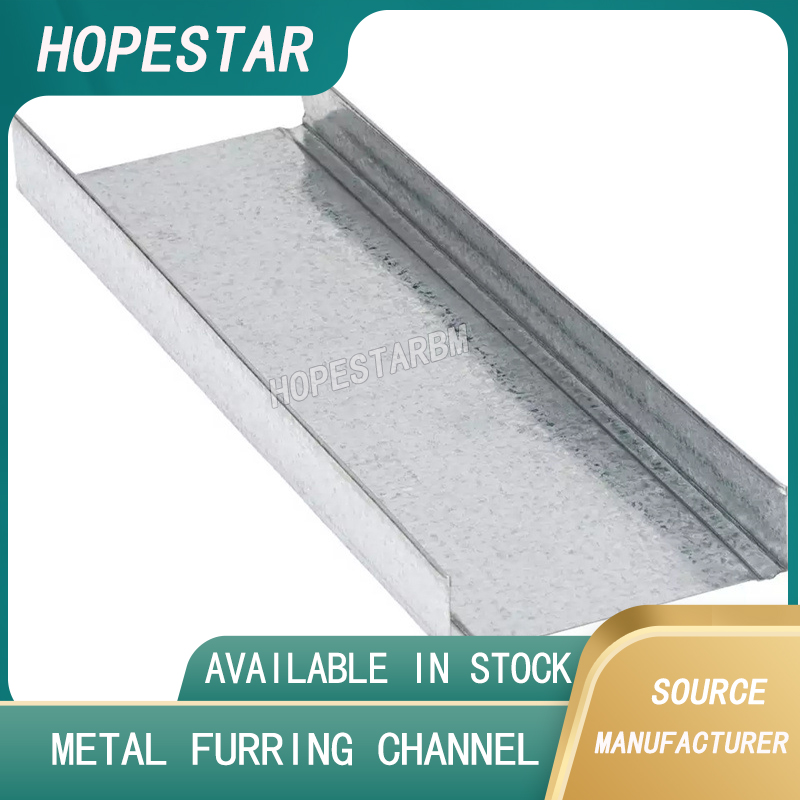
The Ultimate Guide to Galvanized Steel Metal Furring Channel for Drywall Ceiling Installation
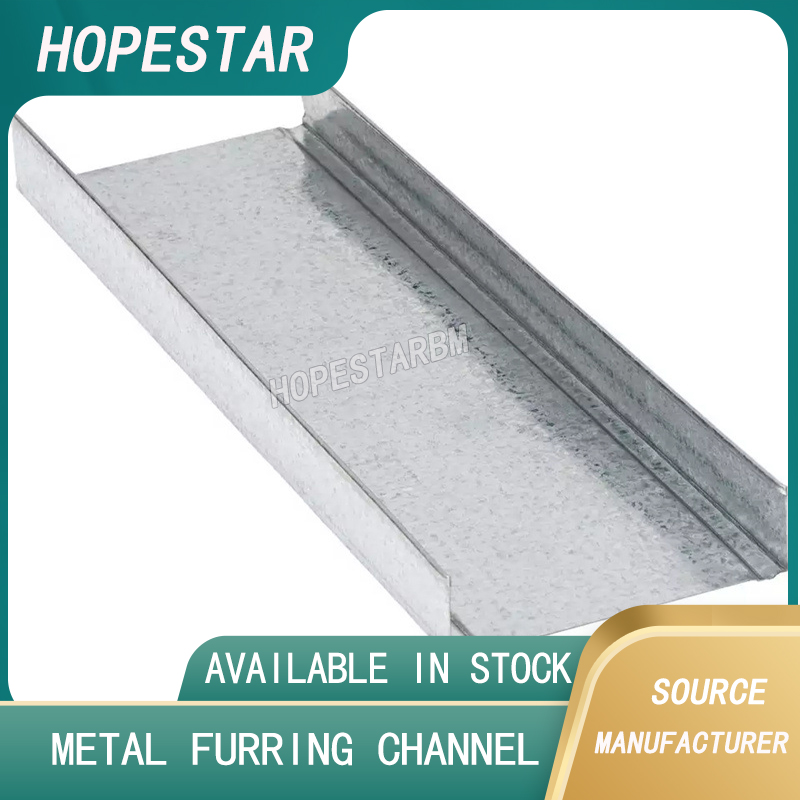
In the world of modern construction, achieving a flawless, level, and durable finish is the top priority for contractors and architects alike. One of the most essential components in achieving this is the galvanized steel metal furring channel. Specifically designed for drywall ceiling installation, these channels—often referred to as "hat channels" due to their unique profile—provide the structural skeleton necessary for a high-quality interior finish.
In this article, we will explore why galvanized steel is the preferred material for ceiling grids and how it enhances the longevity of your drywall assembly.
Why Choose Galvanized Steel for Furring Channels?
The term "galvanized" refers to the protective zinc coating applied to the steel. This coating is crucial for several reasons:
-
Corrosion Resistance: Unlike wood furring strips, galvanized steel won’t rot, warp, or split. The zinc layer acts as a barrier against moisture, making it the ideal choice for high-humidity areas like bathrooms, kitchens, or basements.
-
Structural Integrity: Steel offers a much higher strength-to-weight ratio than traditional lumber. A metal furring channel ensures that the ceiling remains perfectly flat over time, preventing the sagging or "waving" often seen in older buildings.
-
Fire Resistance: Steel is non-combustible. Using metal framing for your ceiling adds an extra layer of safety, helping to achieve fire-rated assemblies required by modern building codes.
The Role of Metal Furring Channels in Drywall Installation
The primary function of a metal furring channel for drywall ceiling installation is to "furr out" or level the surface. In many residential and commercial buildings, concrete slabs or wooden joists are not perfectly even.
By attaching furring channels perpendicular to the structural joists, installers create a uniform plane. This ensures that when the gypsum boards (drywall) are screwed into the flanges of the channel, the finished ceiling looks seamless.
Key Installation Specifications
To ensure a professional result, certain industry standards should be followed:
-
Spacing: Most installations require the channels to be spaced 16 inches or 24 inches on center, depending on the thickness of the drywall and the weight of the insulation.
-
Fastening: High-quality self-tapping screws are used to secure the drywall to the metal flange. The galvanized surface allows for easy penetration while maintaining a tight grip.
-
Suspended Systems: In commercial settings, furring channels are often used as part of a suspended ceiling system, clipped to cold-rolled channels (CRC) using wire ties or specialized furring clips.
Benefits for Modern Architecture
Using a galvanized steel metal furring channel also allows for better acoustic management. When used in conjunction with sound isolation clips, the channel helps decouple the drywall from the building’s structure, significantly reducing noise transmission between floors. This is a critical feature for multi-family housing and office buildings.
Furthermore, metal channels are 100% recyclable, making them an eco-friendly choice for sustainable "green" building projects.
Conclusion
Whether you are working on a high-end commercial project or a residential basement renovation, a galvanized steel metal furring channel for drywall ceiling installation is an indispensable material. It offers unmatched durability, fire safety, and the precision needed for a professional finish. By investing in quality galvanized components, you ensure a ceiling that will remain beautiful and structurally sound for decades to come.
Steel stud framing for drywall partition walls
Resilient Channel vs. Metal Furring Channel
Related Article