The Ultimate Guide to Drywall Furring Channels
In the world of construction and interior finishing, achieving a perfectly flat wall or a secure ceiling requires more than just high-quality drywall. It requires a solid, engineered framework. This is where the drywall furring channel becomes indispensable.
Often referred to in the industry as "hat channel" due to its unique profile, the drywall furring channel is a staple in both residential and commercial projects. In this ultimate guide, we will explore the different types, sizes, and applications of this essential building component.
What is a Drywall Furring Channel?
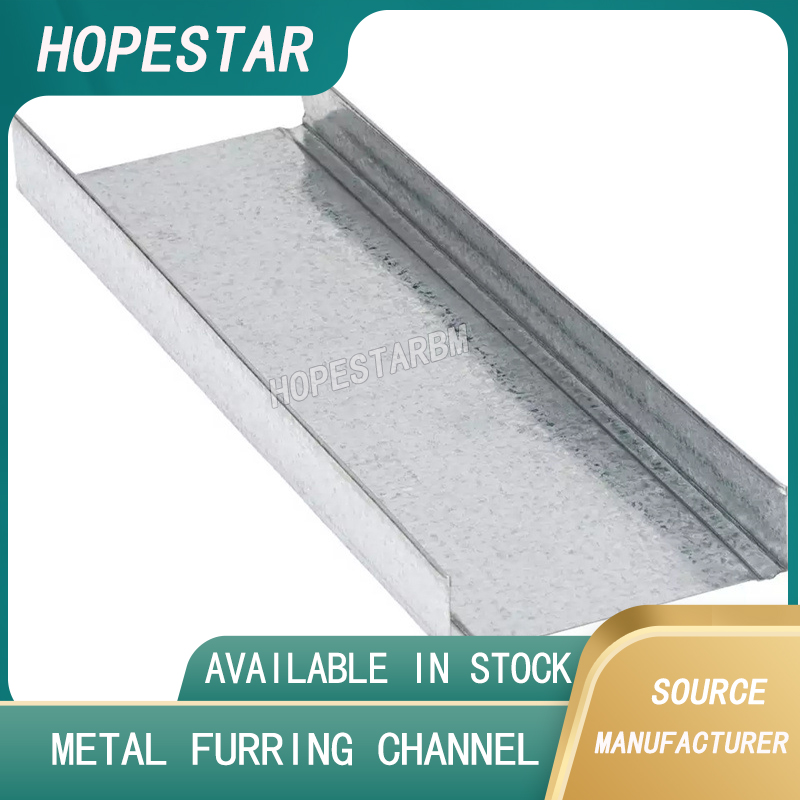
A drywall furring channel is a hat-shaped corrosion-resistant framing component used to "furr out" a surface. Essentially, it creates a level plane for attaching gypsum wallboard or siding. Made from galvanized steel, these channels are used to bridge uneven surfaces, such as masonry walls or old timber framing, providing a smooth, professional finish.
Common Types of Furring Channels
While the term is often used broadly, there are two main types you should distinguish:
-
Standard Hat Channel (Furring Channel): The most common type, used for leveling walls and ceilings. It is rigid and provides structural support.
-
Resilient Channel (RC): While it looks similar, a resilient channel is designed specifically for soundproofing. It has a different profile with one mounting flange, allowing it to flex and absorb sound vibrations. Note: For most structural leveling tasks, a standard hat channel is what you need.
Understanding Sizes and Gauges
Choosing the right dimensions is critical for the safety and aesthetics of your project.
1. Standard Depths
-
7/8” Channel: This is the industry standard for most interior wall and ceiling applications. It provides enough space for minor electrical runs while maintaining a slim profile.
-
1-1/2” Channel: A deeper channel used when extra clearance is needed for insulation, larger conduits, or when bridging more significant irregularities in the base wall.
2. Common Gauges (Steel Thickness)
The thickness of the steel determines the load-bearing capacity. Remember: The lower the gauge number, the thicker the steel.
-
25 Gauge: The standard for residential interior walls. It is easy to cut and lightweight.
-
22 Gauge: A mid-range option often used in commercial projects for added rigidity.
-
20 Gauge: Heavy-duty steel used for ceilings or walls that will support heavy loads, such as cement boards or multiple layers of fire-rated drywall.
Top Uses for Drywall Furring Channels
Leveling Masonry Walls
Applying drywall directly to brick or concrete block is difficult and prone to moisture issues. Furring channels are fastened to the masonry, creating a flat, plumb surface and a small air gap that prevents moisture from transferring directly into the drywall.
Ceiling Assemblies
Furring channels are frequently used in "dropped" or "suspended" ceiling systems. They are attached to cold-rolled channels or floor joists to provide a level grid for the ceiling panels.
Soundproofing and Decoupling
In multi-family housing or home theaters, furring channels are used in conjunction with sound isolation clips. This "decouples" the drywall from the building’s structure, significantly reducing the transmission of airborne and impact noise.
Basement Finishing
Because galvanized steel does not rot or support mold, furring channels are the preferred method for framing out basement walls where moisture levels may be higher.
Installation Pro-Tips
-
Spacing: Typically, channels are installed 16” or 24” on center, depending on the weight of the drywall and local building codes.
-
Fastening: Use concrete nails or powder-actuated fasteners for masonry, and self-tapping screws for steel studs.
-
Alignment: Always use a laser level or a string line to ensure your channels are perfectly aligned before hanging the drywall.
Conclusion
The drywall furring channel is a small component that plays a massive role in the quality of construction. By understanding the different sizes and gauges available, you can ensure your project is not only visually perfect but also structurally sound and fire-safe. Whether you are leveling a basement wall or building a soundproof studio, the right hat channel makes all the difference.
Drywall Furring Channel Sizes and Gauges: How to Choose the Right One
Why Use Metal Drywall Furring Channels for Your Next Project?
Related Article