The Role of Steel Stud Track in Strong and Efficient Wall Framing Systems
In modern construction, steel stud track plays an essential role in creating strong, durable, and precise wall and ceiling frameworks. As the backbone of metal stud framing systems, steel stud track provides the structural foundation and alignment necessary for both commercial and residential projects. Whether you are building interior partitions, exterior façades, or suspended ceilings, understanding how steel stud track functions—and why it has become the preferred choice over traditional materials—is key to achieving professional results.
What Is Steel Stud Track?
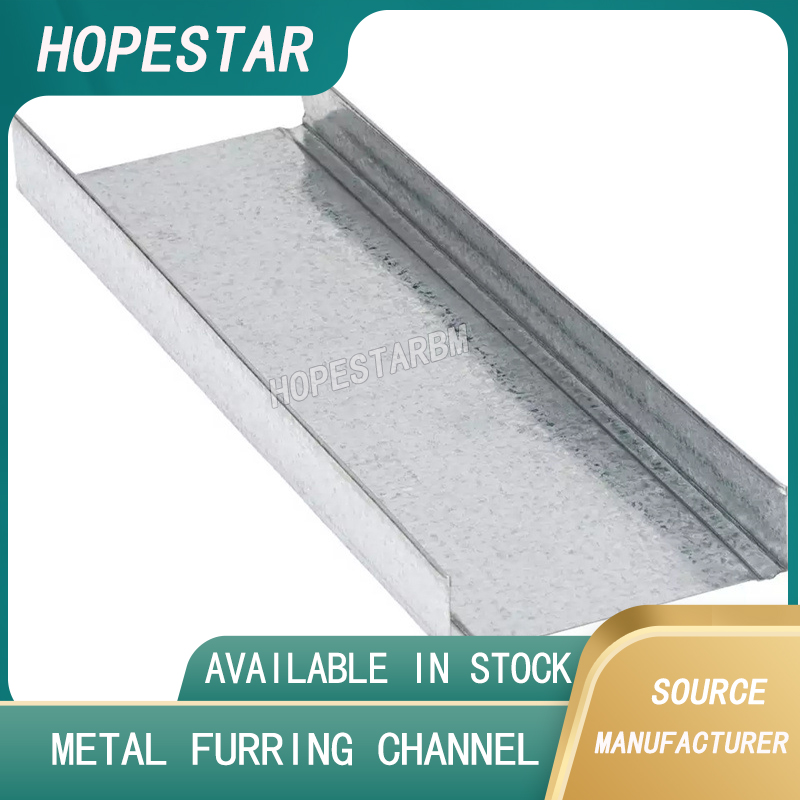
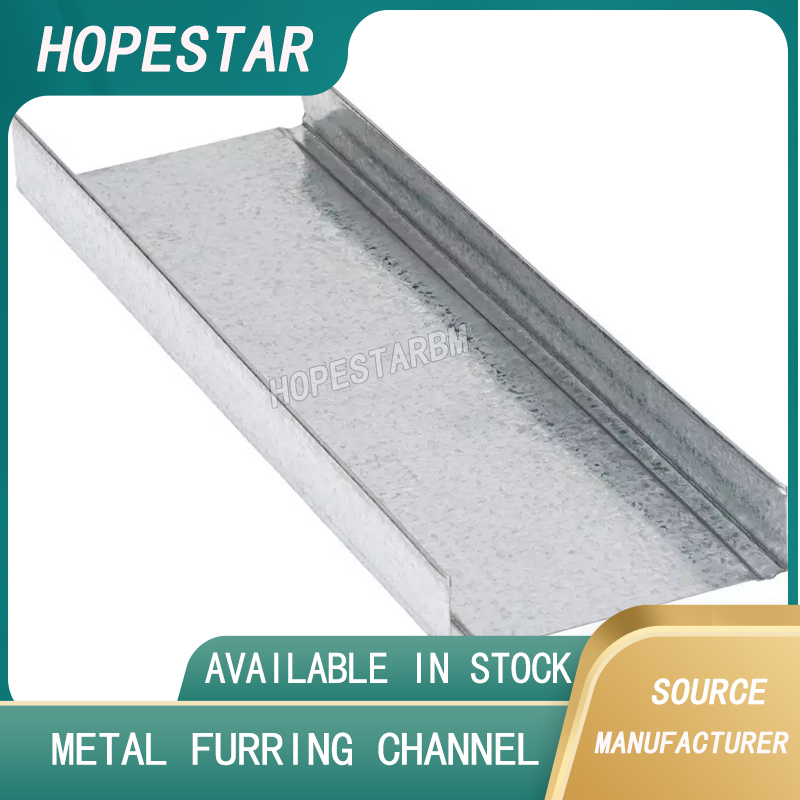
A steel stud track is a U-shaped metal channel made from galvanized steel that serves as the top and bottom support for vertical steel studs. These tracks act as the base and cap of the wall frame, guiding and securing each stud in its correct position. Typically installed on floors and ceilings, the track ensures that the wall remains straight and stable throughout construction and over time.
Steel stud tracks are available in different widths and gauges to match various stud sizes, providing flexibility for different load requirements and architectural designs. Because of their uniform dimensions and resistance to deformation, they are ideal for high-precision projects where structural integrity and accuracy are essential.
Advantages of Using Steel Stud Track
-
High Strength and Stability
Steel stud tracks provide a rigid structure capable of supporting drywall, insulation, and other finishing materials. Unlike wood, steel does not warp, twist, or shrink, which ensures walls remain perfectly aligned. -
Corrosion Resistance
Made from galvanized steel, steel stud track resists rust and corrosion, even in humid or high-moisture environments such as basements or commercial kitchens. This makes it a reliable choice for long-term durability. -
Fire and Pest Resistance
Steel is non-combustible and impervious to termites or mold. By using steel stud track and studs, builders can meet fire safety standards while eliminating risks associated with organic materials. -
Lightweight and Easy to Install
Despite its strength, steel stud track is surprisingly lightweight, allowing for quick and easy installation. Contractors can cut and assemble it on-site with minimal effort using standard metal framing tools. -
Eco-Friendly and Recyclable
Steel stud track is made from recycled steel and can be fully recycled again at the end of its life cycle. Its sustainability and efficiency make it a popular choice for green building initiatives.
Applications of Steel Stud Track
The versatility of steel stud track makes it suitable for numerous construction applications:
-
Interior Partition Walls: Commonly used in offices, schools, and residential spaces to create strong, sound-resistant partitions.
-
Ceiling Systems: Serves as a structural base for suspended or drop ceilings.
-
Exterior Walls: Used in combination with insulation and sheathing for lightweight façade systems.
-
Renovation Projects: Ideal for remodeling because it is easy to modify and install in existing structures.
No matter the scale of the project, steel stud track provides consistency, safety, and long-term performance that contractors can trust.
How to Install Steel Stud Track
Proper installation ensures structural reliability. The typical steps for installing a steel stud track system are:
-
Layout and Marking: Determine wall placement and mark floor and ceiling lines.
-
Securing the Track: Attach the bottom track to the floor and the top track to the ceiling using anchors or screws.
-
Inserting the Studs: Position the steel studs vertically within the tracks at standard spacing (commonly 16" or 24" on center).
-
Fastening: Use self-tapping screws to secure the studs to the tracks.
-
Finishing: Once the framework is complete, drywall or other materials can be attached directly to the studs.
Careful alignment during installation is essential to prevent uneven walls and ensure professional-quality results.
Selecting the Right Steel Stud Track
When choosing steel stud track, consider the following factors:
-
Gauge Thickness: Heavier gauges (such as 20 or 18) are best for load-bearing or high-traffic areas, while lighter gauges are suitable for interior partitions.
-
Width and Depth: Match the track dimensions with the corresponding stud size to maintain structural integrity.
-
Coating Quality: Always select galvanized or coated steel for corrosion resistance and longevity.
Why Builders Prefer Steel Stud Track
Builders around the world are shifting toward steel stud track systems due to their superior performance, precision, and cost-effectiveness. They provide clean, straight, and stable walls, require minimal maintenance, and adapt easily to architectural designs that demand accuracy and strength. In addition, the growing emphasis on sustainability makes steel framing a smart long-term investment.
Conclusion
The steel stud track is more than just a framing accessory—it is the foundation of modern wall systems that deliver reliability, safety, and efficiency. Its combination of strength, fire resistance, and sustainability ensures superior performance across a wide range of construction applications. For contractors, designers, and homeowners seeking a dependable and environmentally friendly framing solution, steel stud track remains the top choice for contemporary building projects.
Understanding Drywall System Profile Channel: The Backbone of Modern Interior Construction
Understanding Metal Stud and Metal Track Systems for Modern Construction
Related Article