
The Purpose of Metal Furring
2024-08-13
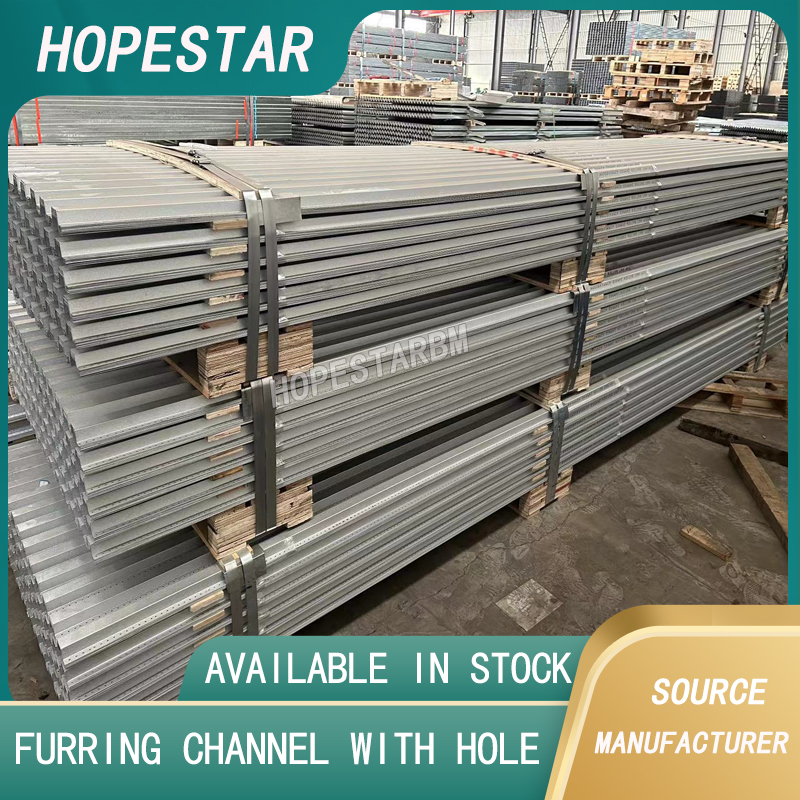
Metal furring plays a critical role in modern construction, offering a reliable solution for creating stable, level surfaces for various finishing materials. This essential component serves multiple functions, enhancing the structural integrity and functionality of walls and ceilings.
1. Framework and Support
The primary purpose of metal furring is to provide a robust framework for attaching finishing materials such as drywall or plasterboard. By installing metal furring strips, builders can create a level and even surface that serves as a base for these materials. This is particularly important in achieving a smooth and professional finish, as it helps to prevent irregularities and imperfections in the final appearance of walls and ceilings.
2. Enhanced Durability
Metal furring is highly valued for its durability. Unlike traditional wooden furring, metal furring is resistant to moisture, pests, and decay. This makes it an ideal choice for areas prone to high humidity or damp conditions, such as basements or bathrooms. The longevity of metal furring ensures that the structural support remains intact over time, reducing the need for frequent repairs or replacements.
3. Thermal and Acoustic Insulation
Another significant advantage of metal furring is its ability to create a cavity between the wall or ceiling and the finishing material. This space can be utilized to install insulation, which improves thermal and acoustic performance. By enhancing insulation, metal furring helps in maintaining indoor temperature, reducing energy costs, and minimizing noise transmission between rooms. This contributes to a more comfortable and energy-efficient living environment.
4. Flexibility and Adaptability
Metal furring systems offer flexibility in design and construction. They can be easily adjusted to accommodate different thicknesses of insulation or other materials, making them suitable for a variety of applications. Additionally, metal furring is compatible with various types of finishing materials, providing builders with the freedom to choose the best options for their specific needs.
5. Compliance with Building Codes
In many regions, building codes and regulations require the use of metal furring for certain types of construction. These codes are designed to ensure safety and structural integrity, and metal furring often meets or exceeds these standards. By adhering to these codes, builders can ensure that their projects are compliant with local regulations and meet the required quality and safety benchmarks.
Conclusion
In summary, metal furring serves a multifaceted purpose in construction. Its primary role is to provide a stable and level framework for attaching finishing materials, but its benefits extend beyond that. The durability, ability to improve insulation, flexibility, and compliance with building codes make metal furring an essential component in modern building practices. As construction methods continue to evolve, metal furring remains a valuable tool for achieving high-quality, long-lasting results.
1. Framework and Support
The primary purpose of metal furring is to provide a robust framework for attaching finishing materials such as drywall or plasterboard. By installing metal furring strips, builders can create a level and even surface that serves as a base for these materials. This is particularly important in achieving a smooth and professional finish, as it helps to prevent irregularities and imperfections in the final appearance of walls and ceilings.
2. Enhanced Durability
Metal furring is highly valued for its durability. Unlike traditional wooden furring, metal furring is resistant to moisture, pests, and decay. This makes it an ideal choice for areas prone to high humidity or damp conditions, such as basements or bathrooms. The longevity of metal furring ensures that the structural support remains intact over time, reducing the need for frequent repairs or replacements.
3. Thermal and Acoustic Insulation
Another significant advantage of metal furring is its ability to create a cavity between the wall or ceiling and the finishing material. This space can be utilized to install insulation, which improves thermal and acoustic performance. By enhancing insulation, metal furring helps in maintaining indoor temperature, reducing energy costs, and minimizing noise transmission between rooms. This contributes to a more comfortable and energy-efficient living environment.
4. Flexibility and Adaptability
Metal furring systems offer flexibility in design and construction. They can be easily adjusted to accommodate different thicknesses of insulation or other materials, making them suitable for a variety of applications. Additionally, metal furring is compatible with various types of finishing materials, providing builders with the freedom to choose the best options for their specific needs.
5. Compliance with Building Codes
In many regions, building codes and regulations require the use of metal furring for certain types of construction. These codes are designed to ensure safety and structural integrity, and metal furring often meets or exceeds these standards. By adhering to these codes, builders can ensure that their projects are compliant with local regulations and meet the required quality and safety benchmarks.
Conclusion
In summary, metal furring serves a multifaceted purpose in construction. Its primary role is to provide a stable and level framework for attaching finishing materials, but its benefits extend beyond that. The durability, ability to improve insulation, flexibility, and compliance with building codes make metal furring an essential component in modern building practices. As construction methods continue to evolve, metal furring remains a valuable tool for achieving high-quality, long-lasting results.
right-angle tile trim
What is the channel spacing for metal furring?
Related Article

Ceiling wall angle, also known as perimeter angle or L-angle, is an indispensable L-shaped metal profile for suspended drywall ceiling systems. Roll-formed from cold-rolled galvanized steel, ceiling wall angle is fixed along the wall perimeter to support the ends of main channels and furring channels,
Ceiling Wall Angle – Galvanized L-Shaped Perimeter Trim for Suspended Drywall Ceilings
Galvanized steel profiles are the foundational metal framing components widely used in modern interior construction. Roll-formed from cold-rolled steel coated with protective zinc layer, galvanized steel profiles cover a full range of shapes including C studs, U tracks, omega channels,
Galvanized Steel Profiles – Reliable Cold Rolled Framing for Drywall Walls and Ceilings

Metal furring channel for ceiling is a vital secondary framing component widely used in suspended ceiling and drywall ceiling systems. Roll-formed from cold-rolled galvanized steel, this lightweight metal profile works together with main channels, hangers and wall angles to create a level,
Metal Furring Channel for Ceiling – Galvanized Secondary Framing for Suspended Drywall Ceilings

Metal omega channel, also widely called omega furring channel or hat channel, is an indispensable secondary metal framing profile for modern suspended ceilings and drywall wall furring systems. Named after its distinctive Ω shape, this profile is roll-formed from cold-rolled galvanized steel
Metal Omega Channel – Galvanized Omega Furring Channel for Drywall Ceiling and Wall Framing