
The price of light steel keel suspended ceiling
2024-03-21
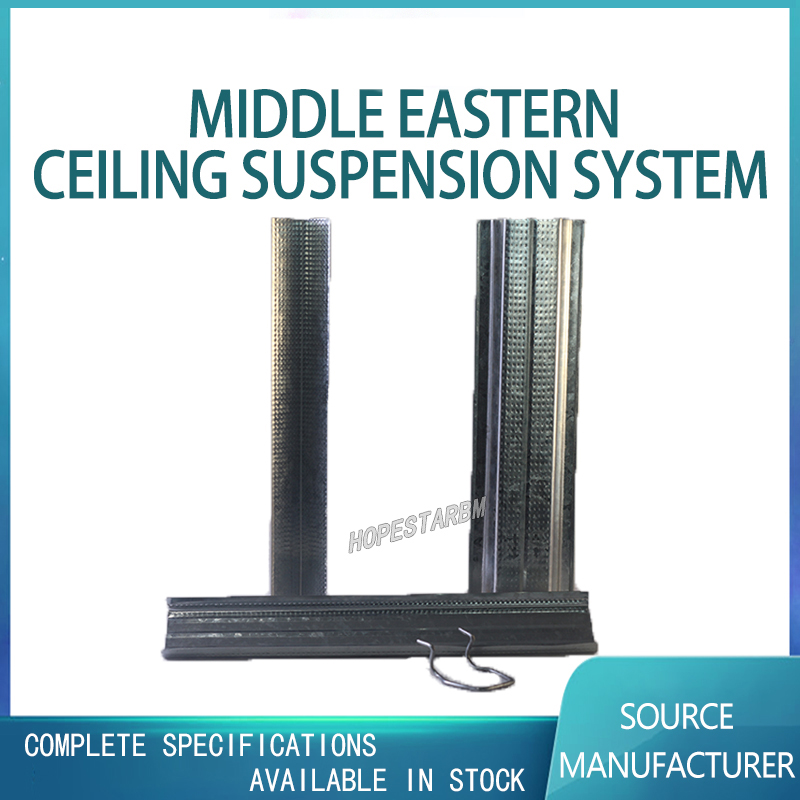
The price of light steel keel suspended ceilingLight steel keel suspended ceiling is a popular ceiling system that is widely used in commercial and residential spaces. It offers a modern, sleek, and durable appearance, making it a favorite choice for architects and interior designers. However, like any other construction material, there is a cost associated with the installation of light steel keel suspended ceilings.
The price of light steel keel suspended ceiling depends on several factors, including the size of the ceiling, the materials used, the complexity of the design, and the labor involved in installation. Let's break down the cost of a light steel keel suspended ceiling into its various components.
1. Materials Cost:
The primary component of the cost is the materials used for the ceiling system. Light steel keels, which are the main structural elements of the ceiling, are made from galvanized steel. The cost of these keels depends on their thickness, length, and gauge. Other materials needed for the installation include suspension wires, clips, and ceiling tiles or panels. The cost of these materials will vary depending on their quality, brand, and quantity required.
2. Design Complexity:
The complexity of the ceiling design also affects the cost. Simple, straight-line designs are generally more cost-effective than intricate or custom designs. If the ceiling needs to be curved, have special features, or integrate with other elements of the interior design, it will require more materials and labor, thus increasing the overall cost.
3. Installation Cost:
The installation of light steel keel suspended ceilings requires skilled labor. The cost of installation depends on the size of the ceiling, the complexity of the design, and the accessibility of the work area. If the ceiling is installed in a difficult-to-access area or requires specialized equipment, the installation cost will increase.
4. Additional Factors:
There are several other factors that can affect the cost of light steel keel suspended ceilings, including the location of the project, the availability of materials and labor, and any unforeseen issues that may arise during installation. For example, if there are existing obstructions in the ceiling that need to be removed or if the ceiling needs to be repaired or replaced due to damage, it will add to the overall cost.
In summary, the price of light steel keel suspended ceiling varies depending on multiple factors. It is essential to consult with a professional contractor or interior designer to get an accurate estimate for your specific project. They will be able to take into account all the relevant factors and provide you with a detailed quote that includes the cost of materials, labor, and any additional expenses. With careful planning and budgeting, you can ensure that your light steel keel suspended ceiling project fits within your overall budget and provides the desired aesthetic and functional benefits.
The price of light steel keel suspended ceiling depends on several factors, including the size of the ceiling, the materials used, the complexity of the design, and the labor involved in installation. Let's break down the cost of a light steel keel suspended ceiling into its various components.
1. Materials Cost:
The primary component of the cost is the materials used for the ceiling system. Light steel keels, which are the main structural elements of the ceiling, are made from galvanized steel. The cost of these keels depends on their thickness, length, and gauge. Other materials needed for the installation include suspension wires, clips, and ceiling tiles or panels. The cost of these materials will vary depending on their quality, brand, and quantity required.
2. Design Complexity:
The complexity of the ceiling design also affects the cost. Simple, straight-line designs are generally more cost-effective than intricate or custom designs. If the ceiling needs to be curved, have special features, or integrate with other elements of the interior design, it will require more materials and labor, thus increasing the overall cost.
3. Installation Cost:
The installation of light steel keel suspended ceilings requires skilled labor. The cost of installation depends on the size of the ceiling, the complexity of the design, and the accessibility of the work area. If the ceiling is installed in a difficult-to-access area or requires specialized equipment, the installation cost will increase.
4. Additional Factors:
There are several other factors that can affect the cost of light steel keel suspended ceilings, including the location of the project, the availability of materials and labor, and any unforeseen issues that may arise during installation. For example, if there are existing obstructions in the ceiling that need to be removed or if the ceiling needs to be repaired or replaced due to damage, it will add to the overall cost.
In summary, the price of light steel keel suspended ceiling varies depending on multiple factors. It is essential to consult with a professional contractor or interior designer to get an accurate estimate for your specific project. They will be able to take into account all the relevant factors and provide you with a detailed quote that includes the cost of materials, labor, and any additional expenses. With careful planning and budgeting, you can ensure that your light steel keel suspended ceiling project fits within your overall budget and provides the desired aesthetic and functional benefits.
What are the types of light steel keel?
What is a furring channel and how to use
Related Article

Ceiling wall angle, also known as perimeter angle or L-angle, is an indispensable L-shaped metal profile for suspended drywall ceiling systems. Roll-formed from cold-rolled galvanized steel, ceiling wall angle is fixed along the wall perimeter to support the ends of main channels and furring channels,
Ceiling Wall Angle – Galvanized L-Shaped Perimeter Trim for Suspended Drywall Ceilings
Galvanized steel profiles are the foundational metal framing components widely used in modern interior construction. Roll-formed from cold-rolled steel coated with protective zinc layer, galvanized steel profiles cover a full range of shapes including C studs, U tracks, omega channels,
Galvanized Steel Profiles – Reliable Cold Rolled Framing for Drywall Walls and Ceilings

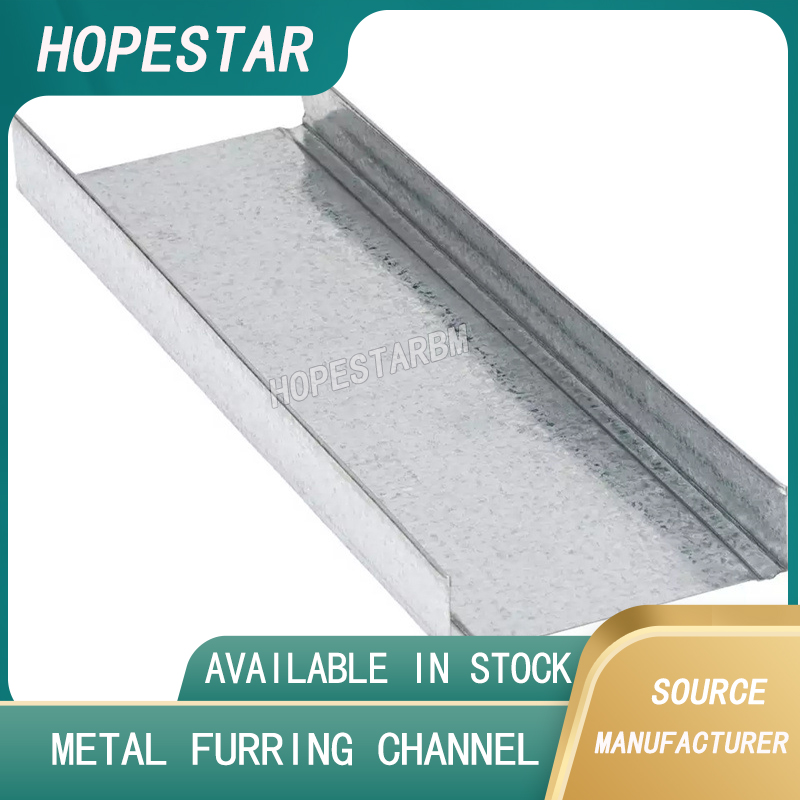
Metal furring channel for ceiling is a vital secondary framing component widely used in suspended ceiling and drywall ceiling systems. Roll-formed from cold-rolled galvanized steel, this lightweight metal profile works together with main channels, hangers and wall angles to create a level,
Metal Furring Channel for Ceiling – Galvanized Secondary Framing for Suspended Drywall Ceilings

Metal omega channel, also widely called omega furring channel or hat channel, is an indispensable secondary metal framing profile for modern suspended ceilings and drywall wall furring systems. Named after its distinctive Ω shape, this profile is roll-formed from cold-rolled galvanized steel
Metal Omega Channel – Galvanized Omega Furring Channel for Drywall Ceiling and Wall Framing